Also known as Bright Eyes, Cape Periwinkle, Old Maid, Rose Periwinkle
Madagascar periwinkle thrives in hot, sunny environments, producing continuous five-petaled blossoms with glossy evergreen leaves year-round in tropical climates. Although cultivated globally as a resilient garden ornamental, wild populations in its native Madagascar face significant habitat degradation. The plant synthesizes potent alkaloids that deter herbivores and have yielded crucial modern chemotherapy medications.
All parts contain toxic alkaloids; do not ingest and keep out of reach of children and pets.
Why it is dangerous
Contains potent vinca alkaloids including vincristine and vinblastine, causing severe low blood pressure, vomiting, and systemic organ toxicity if ingested.
How to recognize a risky encounter
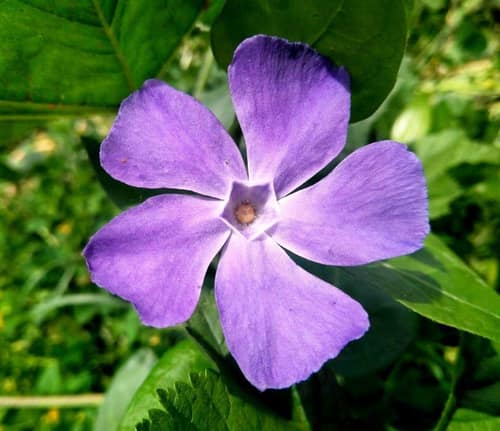
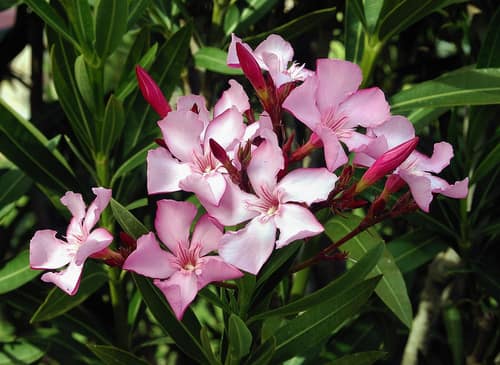
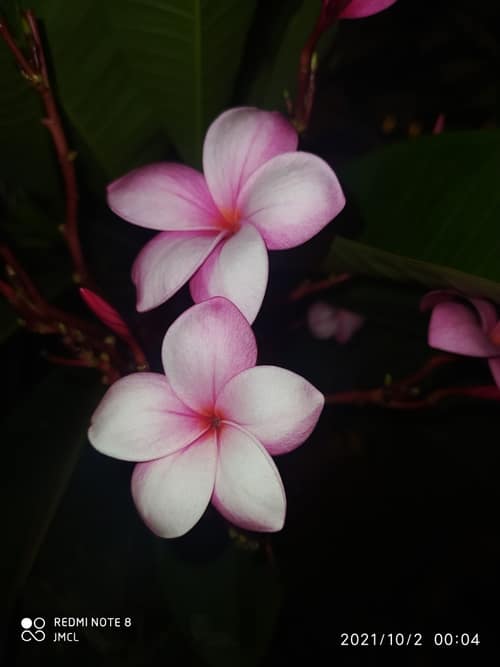
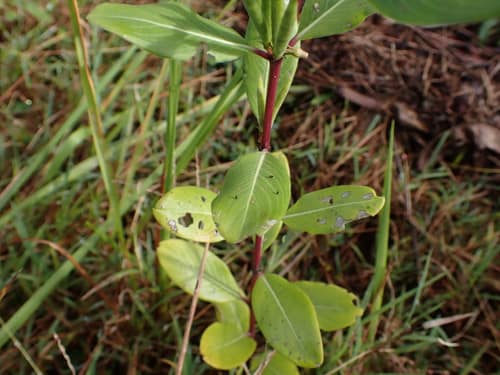
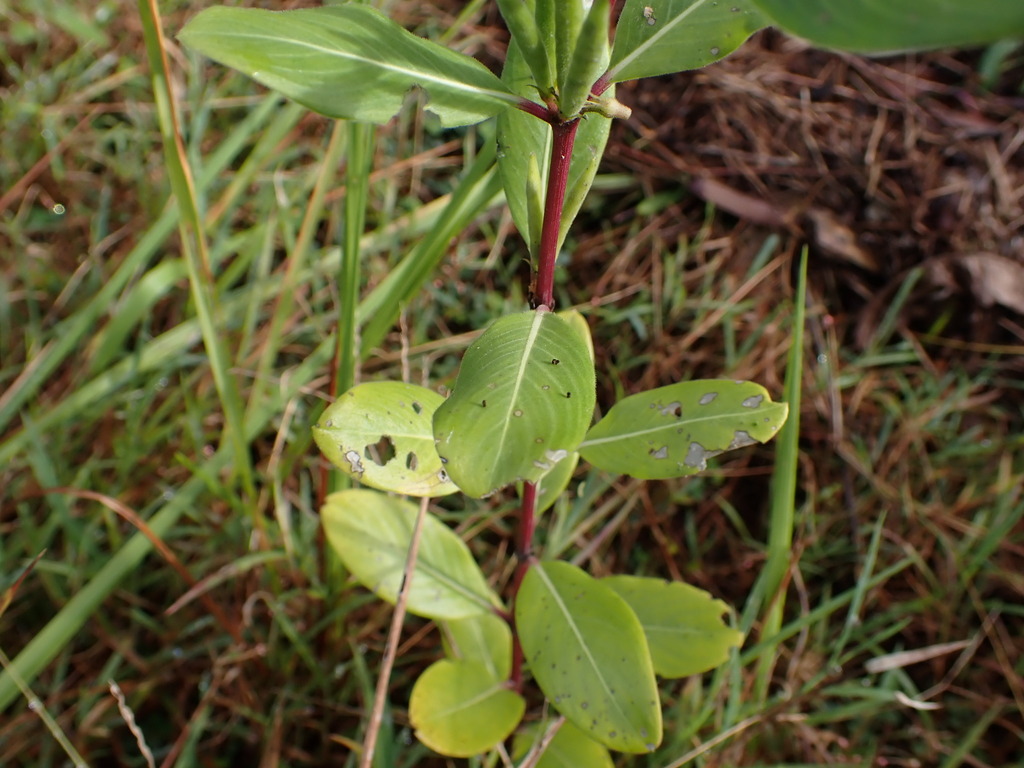
Recognizable by five flat petals surrounding a narrow central tube with a contrasting throat eye and shiny dark leaves.
What to do
Keep plants away from livestock, pets, and toddlers, and wear gloves when taking plant cuttings.
What to notice
Wild strains grow as upright subshrubs in sandy coastal scrublands and dry open forests in Madagascar.
Support conservation
Never buy wild-collected plants; purchase only nursery-propagated seeds and cultivars.
Responsible observation
Observation: Look closely at the flower center to spot the narrow tube designed for insect pollinators.
Gardening: Plant in well-drained soil in full sun, as excess moisture leads to root rot.
Safety: Wash hands after pruning stems to avoid skin irritation from the clear milky sap.

 1 / 7
1 / 7