
Flower · GBIF taxon 6411750
Mexican Bush Sage
Salvia leucanthaAlso known as Velvet Sage
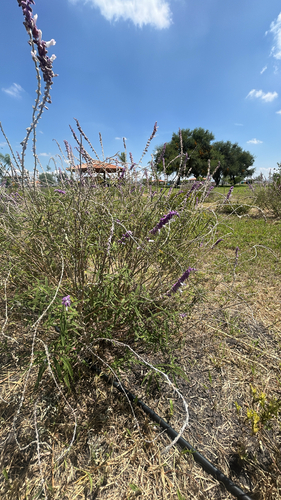
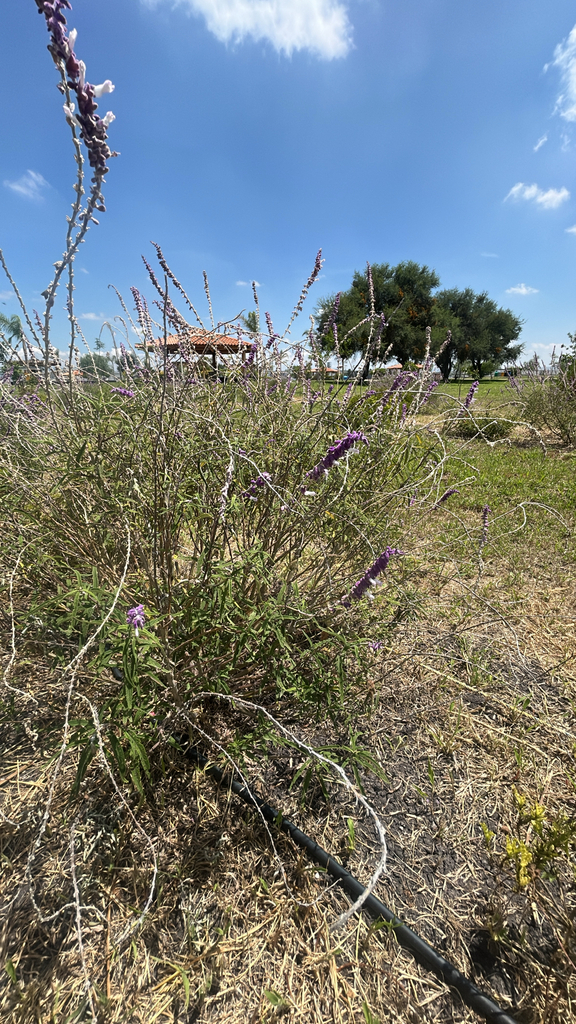
Mexican bush sage produces dense spikes of velvety purple calyces that frame small tubular white or pale violet corollas from late summer through autumn. Narrow lance-shaped leaves with wrinkled grayish-green surfaces release a soft herbal scent when brushed, deterring mammalian herbivores. The arching woody stems create an expansive bushy habit that serves as an essential late-season nectar station for migrating hummingbirds and native bees.
AromaticDrought-TolerantFlowering
Licensed referenceno rights reserved · cc0
—observations
—countries
—peak records
Not EvaluatedConservation statusIUCN Red List categoriesLCNTVUENCREWEXNot Evaluated — not placed on the risk ladderRed List categories, explained →
Diet & prey
- Autotrophic (photosynthesis)
Predators
- Aphids
- Spider mites
- Whiteflies
ThreatsHard prolonged frosts, excessive soil moisture, and root rot
HabitatsSubtropical conifer forests, open scrublands, chaparral, and gardens
Life spanPerennial (5–10 years)
Classification
- OrderLamiales
- FamilyLamiaceae
- GenusSalvia
- SpeciesSalvia leucantha
Range data is not available yet.
Interaction riskLow
- Low
- Moderate
- High
- Very high
- Why interaction risk is low
- Safe to observe at a normal distance.
Responsible observation
- Pruning: Cut back old woody stems to ground level in late winter to encourage lush spring foliage.
- Wildlife Watching: Stand quietly near flowering stalks in late morning to watch foraging hummingbirds at close range.
- Foliage Texture: Gently touch the velvety calyces and woolly leaves to experience their distinctive soft texture.
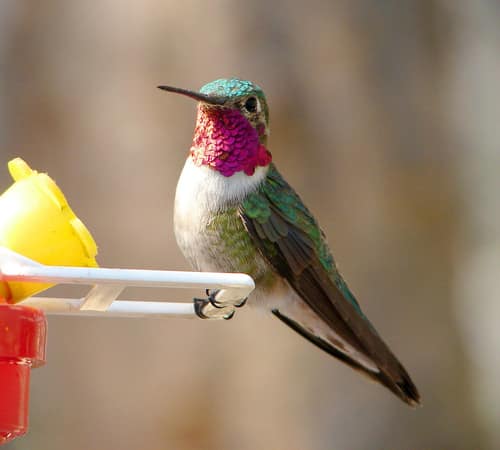
Pollinator Michelle Lynn Reynolds / CC BY-SA 3.0 · cc-by-sa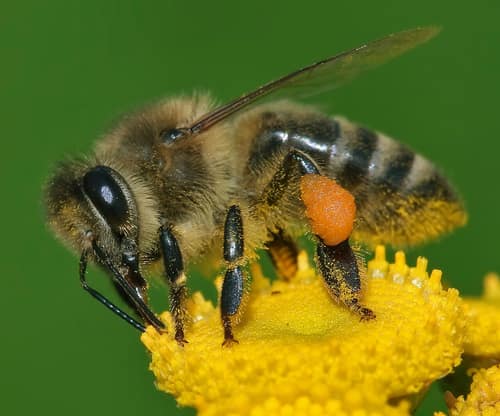
Pollinator Andreas Trepte / CC BY-SA 2.5 · cc-by-sa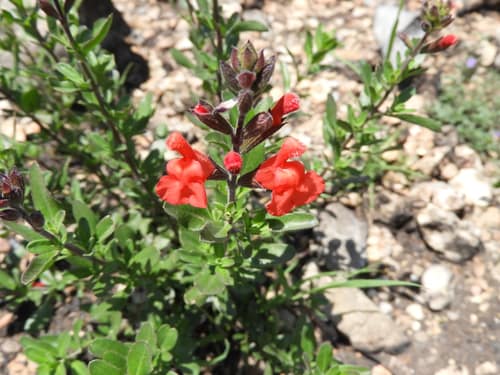
Close Relative (c) Leticia Jiménez Hernández, some rights reserved (CC BY-SA), uploaded by Leticia Jiménez Hernández · cc-by-sa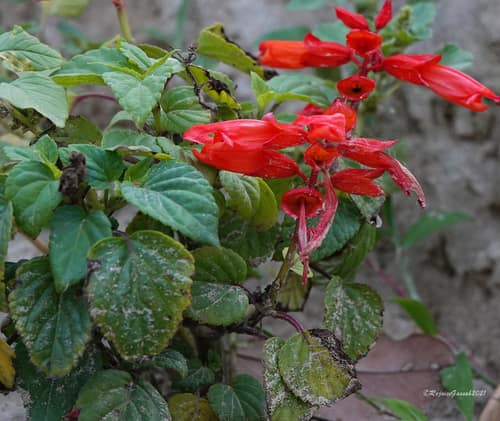
Close Relative (c) Rejoice Gassah, some rights reserved (CC BY), uploaded by Rejoice Gassah · cc-by
Help improve the field guideSomething wrong?
Checking your Fauna account…Report a name, category, or profile issue for review.