
Flower · GBIF taxon 8249932
Scarlet Sage
Salvia splendensAlso known as Scarlet Salvia, Red Salvia
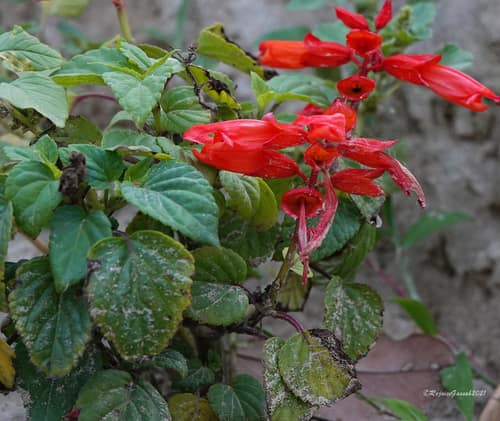
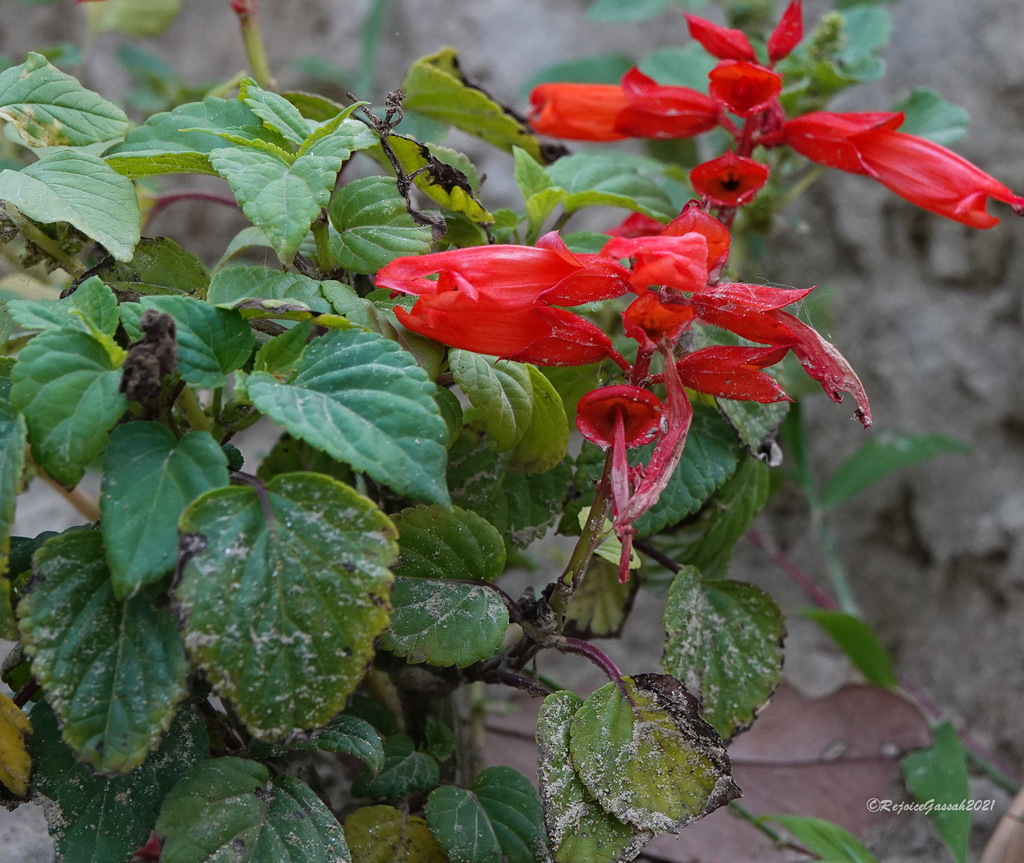
Scarlet sage thrives in the humid, misty elevations of southeastern Brazil's Atlantic Forest, where its brilliant red flowering spikes stand out against lush montane foliage. Specialized tubular corollas produce copious nectar, perfectly adapted to attract hummingbirds that serve as primary pollinators in the wild. While modern cultivars have become popular bedding plants across the globe, wild populations grow as tall, bushy perennials across warm mountain clearings.
FloweringHummingbird-pollinatedPerennial
 1 / 7
1 / 7—observations
—countries
—peak records
Not EvaluatedConservation statusIUCN Red List categoriesLCNTVUENCREWEXNot Evaluated — not placed on the risk ladderRed List categories, explained →
Diet & prey
- Autotrophic (photosynthetic)
Predators
- Slugs and snails
- Spider mites
- Aphids
ThreatsHabitat fragmentation, deforestation within the Atlantic Forest, invasive exotic weeds
HabitatsTropical montane forest margins, cloud forest clearings, moist mountain ravines
Life span3–5 years (frequently grown as an annual in temperate climates)
Classification
- OrderLamiales
- FamilyLamiaceae
- GenusSalvia
- SpeciesSalvia splendens
Range data is not available yet.
Interaction riskLow
- Low
- Moderate
- High
- Very high
- Why interaction risk is low
- Safe to observe at a normal distance.
Responsible observation
- Pollinator Watching: Watch blooming flower spikes quietly to observe hummingbirds feeding at the nectar tubes.
- Cultivation: Provide moist, organic soil and morning sunlight to mimic humid tropical mountain conditions.
 Image unavailable
Pollinator 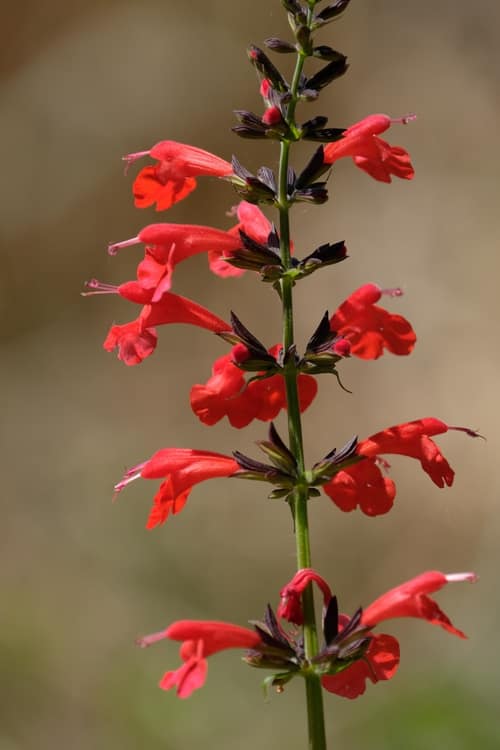
Close Relative no rights reserved, uploaded by Brady Reed · cc0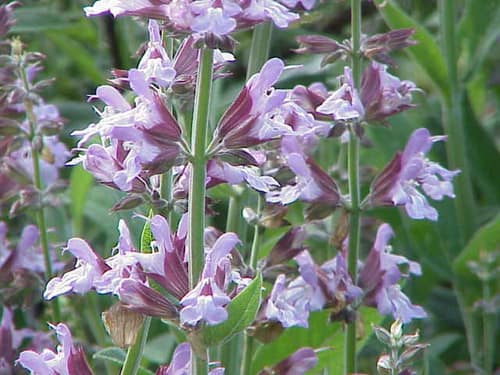
Close Relative Kurt Stüber [1] / CC BY-SA 3.0 · cc-by-sa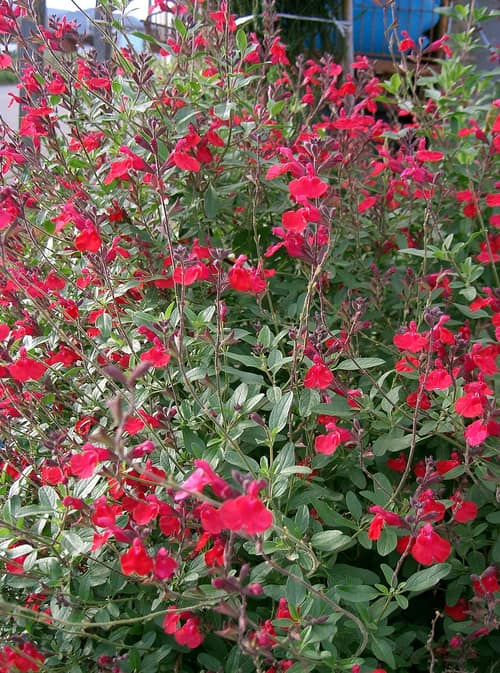
Close Relative KENPEI / CC BY-SA 3.0 · cc-by-sa
Help improve the field guideSomething wrong?
Checking your Fauna account…Report a name, category, or profile issue for review.