
Bird · GBIF taxon 2476844
Broad-tailed Hummingbird
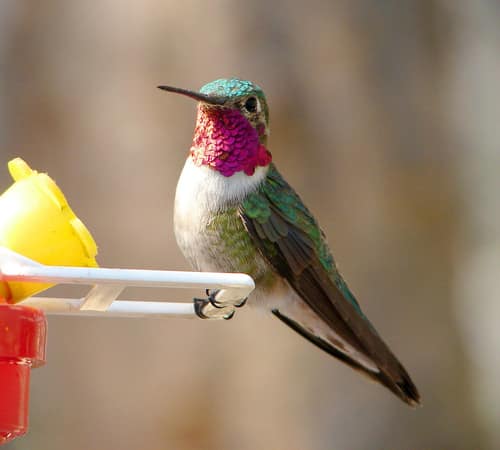
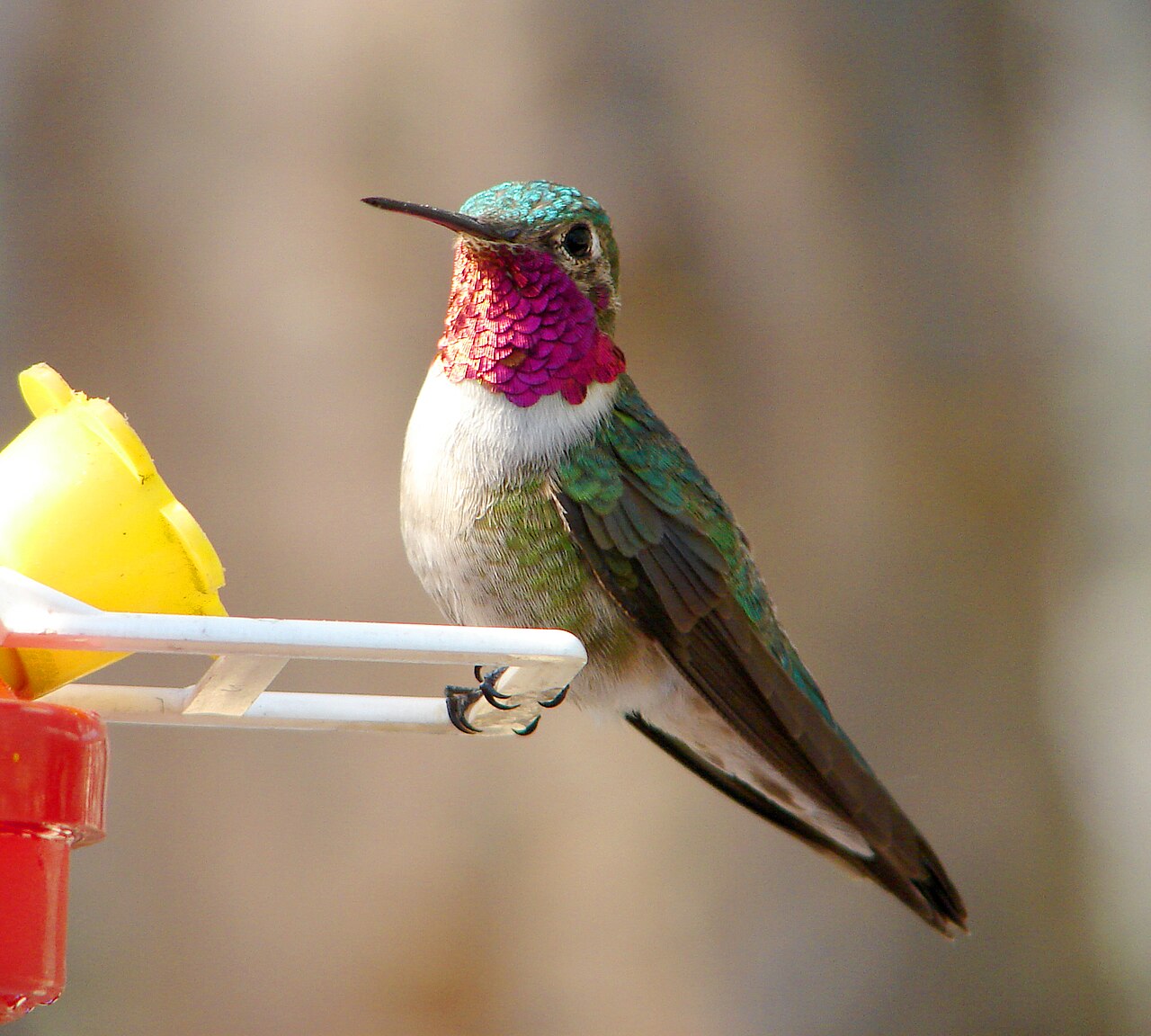
Selasphorus platycercusBroad-tailed Hummingbirds thrive in cool, high-elevation montane forests and alpine meadows across western North America. Males are instantly recognized by their brilliant magenta gorgets and the loud, metallic wing-trill produced by specialized flight feathers during aerial displays. To survive freezing night temperatures in their mountain habitats, these tiny birds enter torpor, dropping their metabolic rate and lowering their core body temperature significantly.
MigratoryHighlandPollinator
—observations
—countries
—peak records
Least ConcernConservation statusIUCN Red List categoriesLCNTVUENCREWEXLeast ConcernRed List categories, explained →
Diet & prey
- Floral nectar
- Midges
- Small spiders
Predators
- Hawks
- Praying mantises
- Domestic cats
ThreatsHabitat loss, climate change altering flower bloom timing, extreme weather
HabitatsMontane pine-oak woodlands, aspen groves, subalpine meadows, shrublands
Life span3–12 years
Size / weightNot available
Classification
- FamilyTrochilidae
- SpeciesSelasphorus platycercus
Range data is not available yet.
Interaction riskLow
- Low
- Moderate
- High
- Very high
- Why interaction risk is low
- Safe to observe at a normal distance.
Responsible observation
- Listen for Trills: Listen for the high-pitched, metallic buzz produced by males in flight.
- Plant Native Flowers: Plant red or orange tubular blooms like skyrocket gilia to attract them.
- Keep Feeders Clean: Refresh sugar water every few days to protect visiting birds from mould.
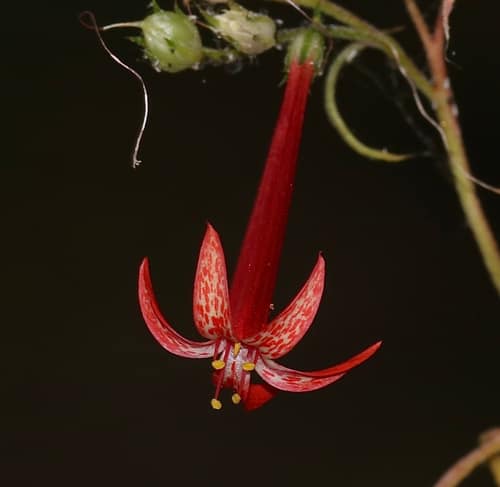
Host Plant (c) Dustin Snider, some rights reserved (CC BY), uploaded by Dustin Snider · cc-by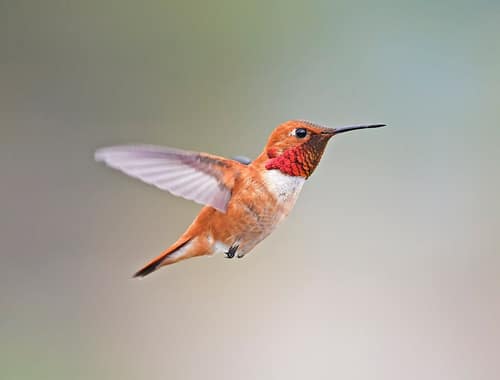
Close Relative VJAnderson / CC BY-SA 4.0 · cc-by-sa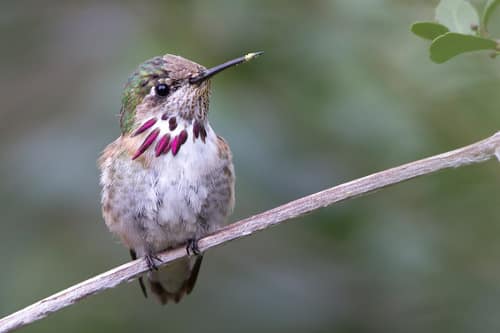
Close Relative Dan Pancamo / CC BY-SA 2.0 · cc-by-sa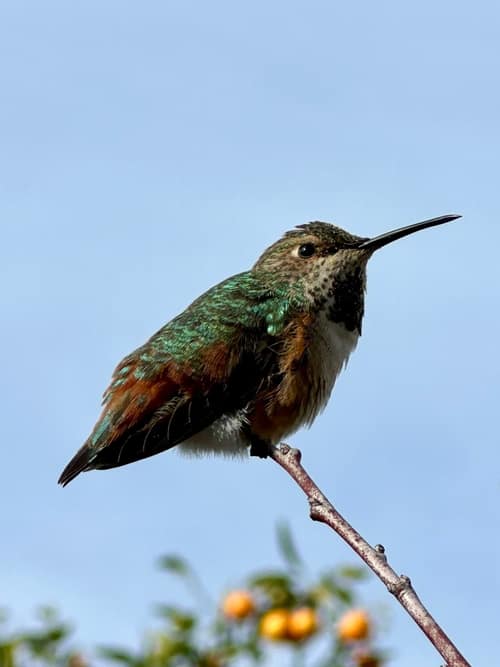
Close Relative (c) Roberto Daniel Avila, some rights reserved (CC BY), uploaded by Roberto Daniel Avila · cc-by
Help improve the field guideSomething wrong?
Checking your Fauna account…Report a name, category, or profile issue for review.