
Plant · GBIF taxon 6362904
Black Cottonwood
Populus trichocarpaAlso known as Western Balsam-Poplar, California Poplar, Pacific Balsam Poplar
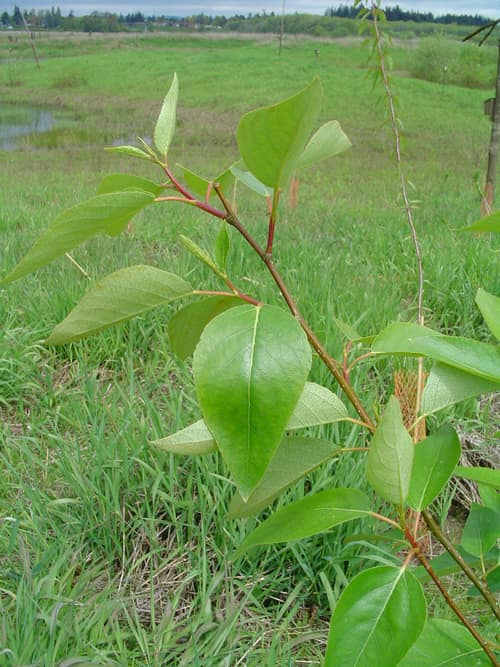
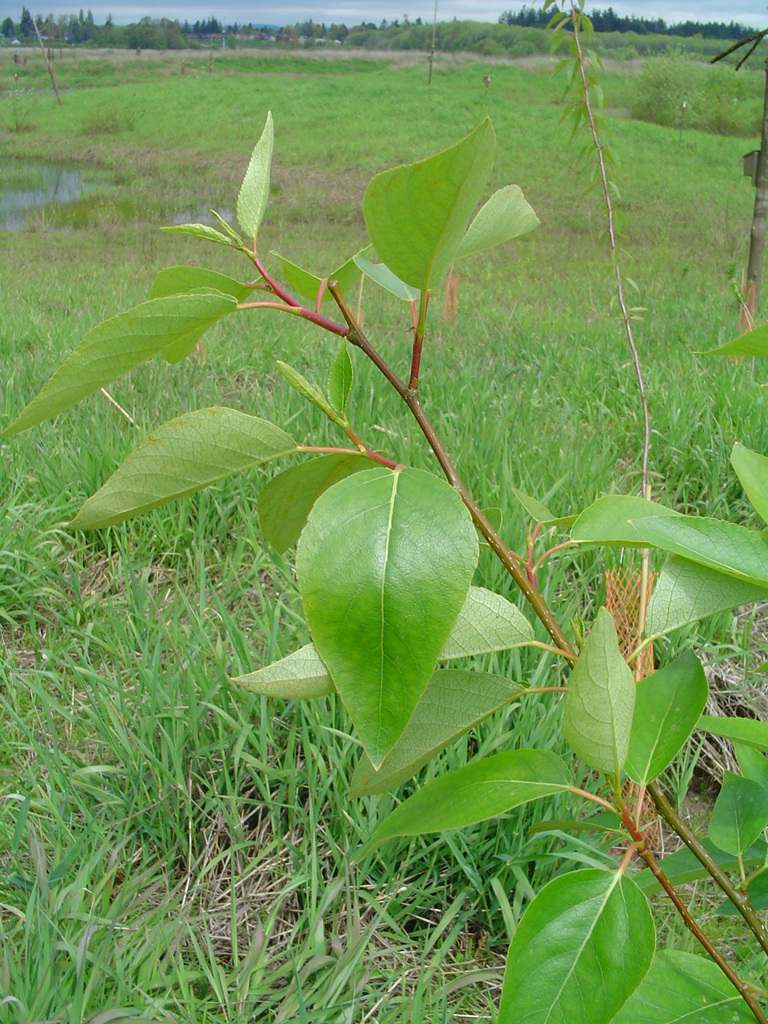
Black cottonwoods dominate western river valleys as the tallest native hardwood in North America, reaching towering heights along gravel bars and floodplains. Their sweet balsam scent fills the air in early spring as sticky resinous buds unroll into glossy green leaves with silvery undersides. In early summer, female trees release dense clouds of snow-like seed fluff that drift for miles along river corridors.
RiparianFast-GrowingDeciduous
—observations
—countries
—peak records
Least ConcernConservation statusIUCN Red List categoriesLCNTVUENCREWEXLeast ConcernRed List categories, explained →
Diet & prey
- Autotrophic (Photosynthesis)
Predators
- North American Beaver
- Western Tent Caterpillar
- Elk
ThreatsDam construction, river channelization, severe drought
HabitatsRiparian zones, river floodplains, moist alluvial bottomlands
Life span100–200 years
Classification
- OrderMalpighiales
- FamilySalicaceae
- GenusPopulus
- SpeciesPopulus trichocarpa
Range data is not available yet.
Interaction riskLow
- Low
- Moderate
- High
- Very high
- Why interaction risk is low
- Wind-borne spring pollen can trigger seasonal allergies; safe to observe at a normal distance.
Responsible observation
- Scent the air: Sniff sticky leaf buds in early spring to detect a rich resinous balsam aroma.
- Look up: Scan old-growth cottonwood groves along rivers for large eagle and osprey nests.
- Inspect undersides: Flip leaves over to spot the bright silvery underside contrasting with dark green.
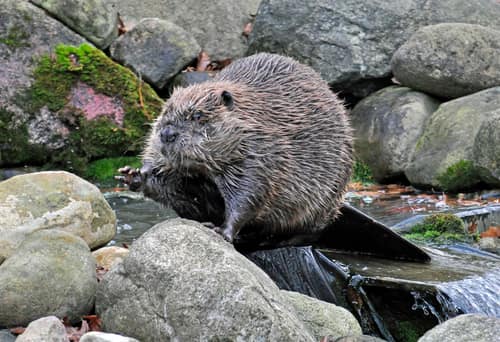
Ecosystem Partner (c) Rodney Campbell, some rights reserved (CC BY) · cc-by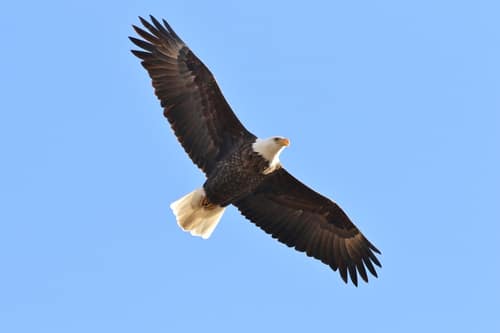
Nest Host (c) Thibaud Aronson, some rights reserved (CC BY-SA), uploaded by Thibaud Aronson · cc-by-sa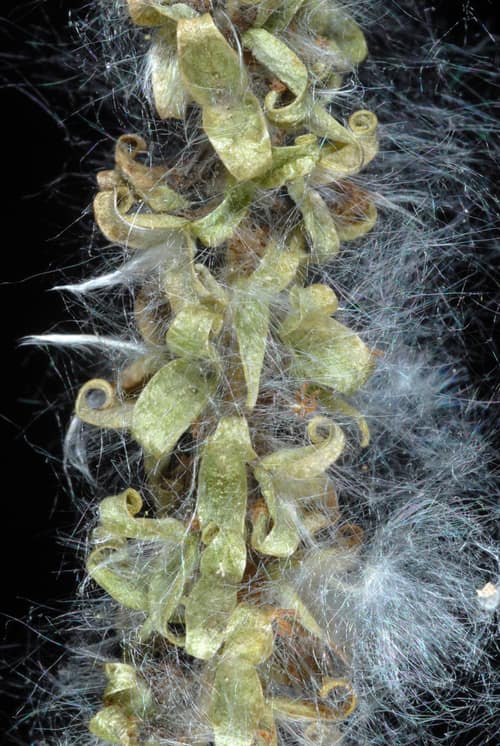
Close Relative (c) Douglas Goldman, some rights reserved (CC BY-SA), uploaded by Douglas Goldman · cc-by-sa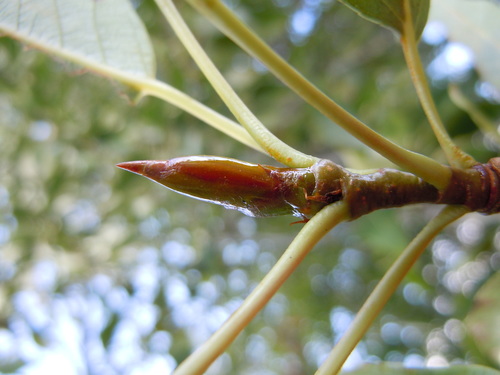
Close Relative (c) Matt Lavin, some rights reserved (CC BY-SA) · cc-by-sa
Help improve the field guideSomething wrong?
Checking your Fauna account…Report a name, category, or profile issue for review.