
Plant · GBIF taxon 3040215
Quaking Aspen
Populus tremuloidesAlso known as Trembling Aspen, American Aspen, Golden Aspen, Trembling Poplar
Quaking aspens are famous for their flattened leaf stalks that cause the foliage to tremble in even the slightest breeze, creating a soft rustling sound across entire hillsides. Below ground, thousands of individual trunks can sprout from a single interconnected root system, forming massive clonal colonies that rank among the oldest and largest living organisms on Earth. In autumn, these interconnected groves transform dramatically in unison, carpeting mountain valleys in brilliant shades of shimmering gold.
DeciduousClonalFall Color
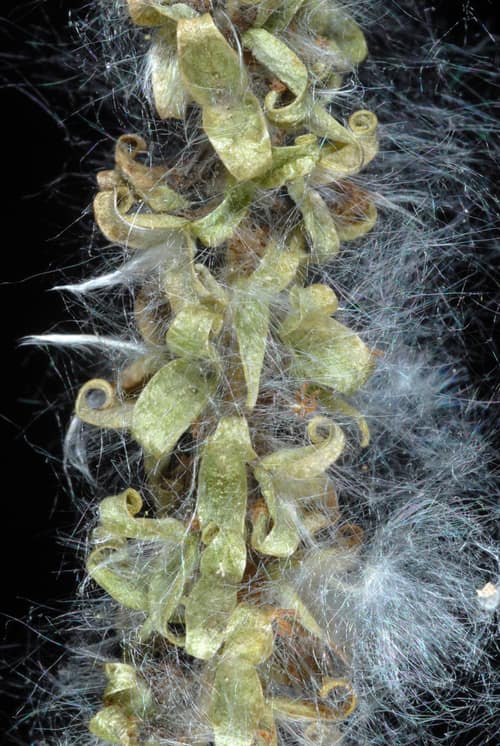
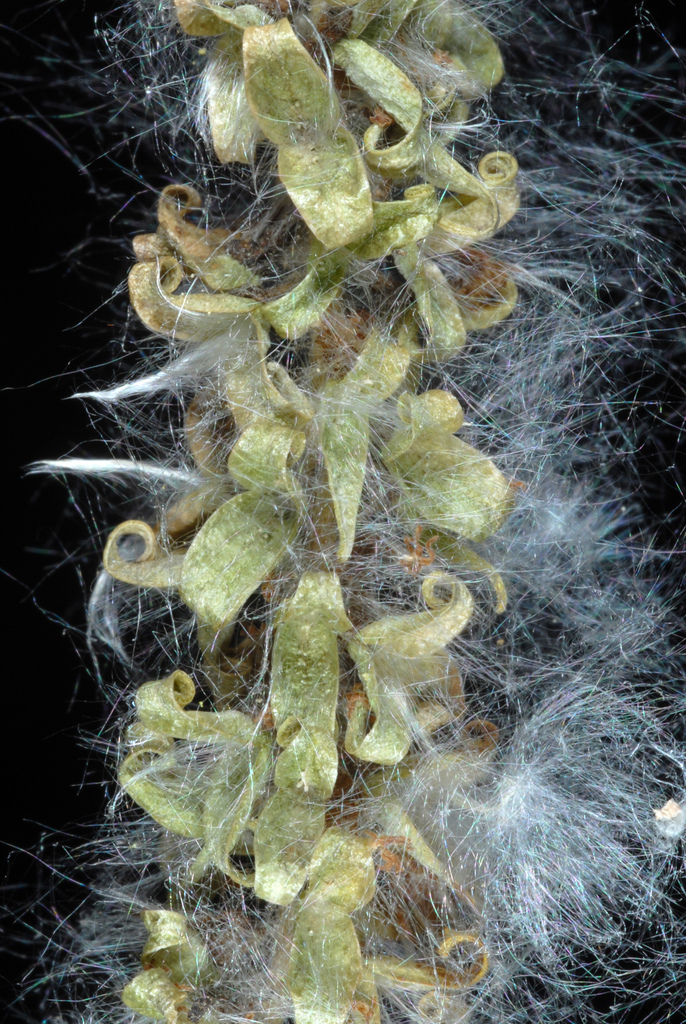 1 / 7
1 / 7—observations
—countries
—peak records
Least ConcernConservation statusIUCN Red List categoriesLCNTVUENCREWEXLeast ConcernRed List categories, explained →
Diet & prey
- Autotrophic (photosynthetic)
Predators
- Elk
- North American Beaver
- Snowshoe Hare
ThreatsFire suppression, climate change, heavy browsing by wild ungulates
HabitatsBoreal forests, mountain slopes, riparian corridors, disturbed sites
Life spanIndividual trunks 40–150 years; root clones up to thousands of years
Size / weightNot available
Classification
- OrderMalpighiales
- FamilySalicaceae
- GenusPopulus
- SpeciesPopulus tremuloides
Range data is not available yet.
Interaction riskLow
- Low
- Moderate
- High
- Very high
- Why interaction risk is low
- Safe to observe at a normal distance.
Responsible observation
- Listen Closely: Stand within a grove on a calm day to hear the distinctive rushing sound created by fluttering leaves.
- Observe Clones: Look for entire stands with identical fall colors or leafing schedules, indicating a single shared root system.
- Protect Bark: Avoid carving or marking the smooth white bark, as wounds expose the tree to fatal fungal infections.
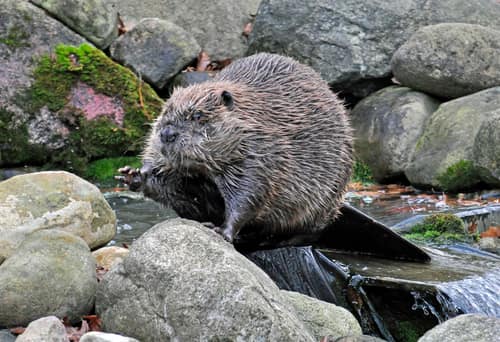
Herbivore (c) Rodney Campbell, some rights reserved (CC BY) · cc-by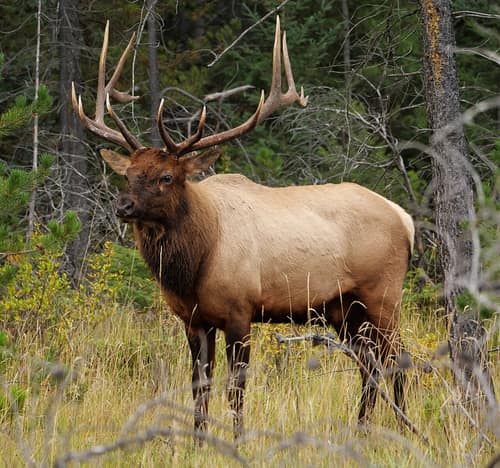
Herbivore Membeth / CC0 · cc0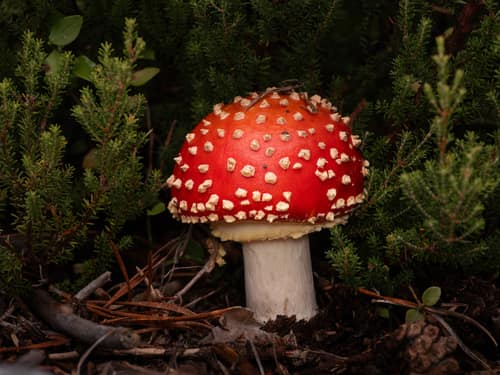
Mycorrhizal Partner (c) Borja Fierro, some rights reserved (CC BY), uploaded by Borja Fierro · cc-by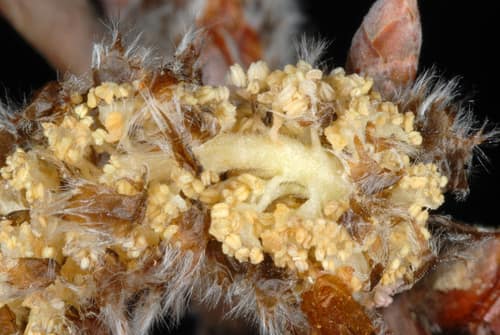
Close Relative (c) Douglas Goldman, some rights reserved (CC BY-SA), uploaded by Douglas Goldman · cc-by-sa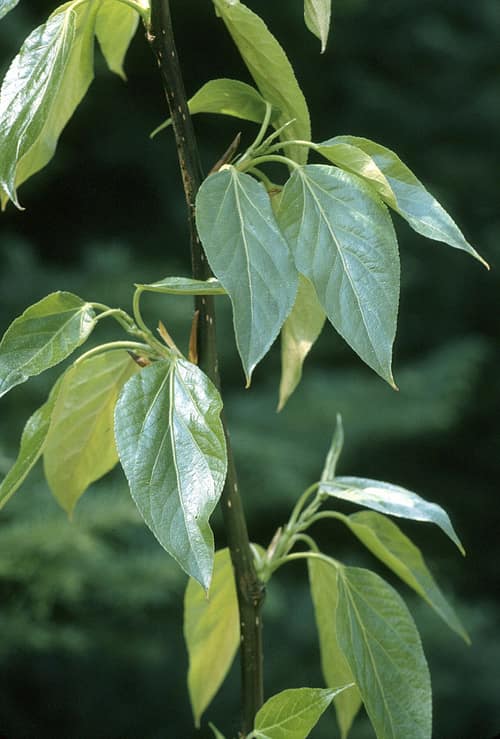
Close Relative Lynden Gerdes @ USDA-NRCS PLANTS Database / USDA NRCS. 1995. Northeast wetland flora: Field office guide to plant species. Northeast National Technical Center, Chester. / Public domain · cc0
Help improve the field guideSomething wrong?
Checking your Fauna account…Report a name, category, or profile issue for review.