
North American Beaver
Castor canadensisAlso known as American Beaver, Canadian Beaver
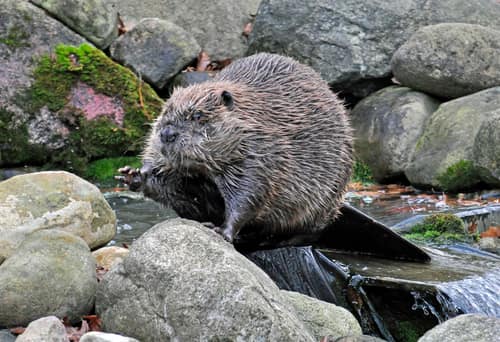
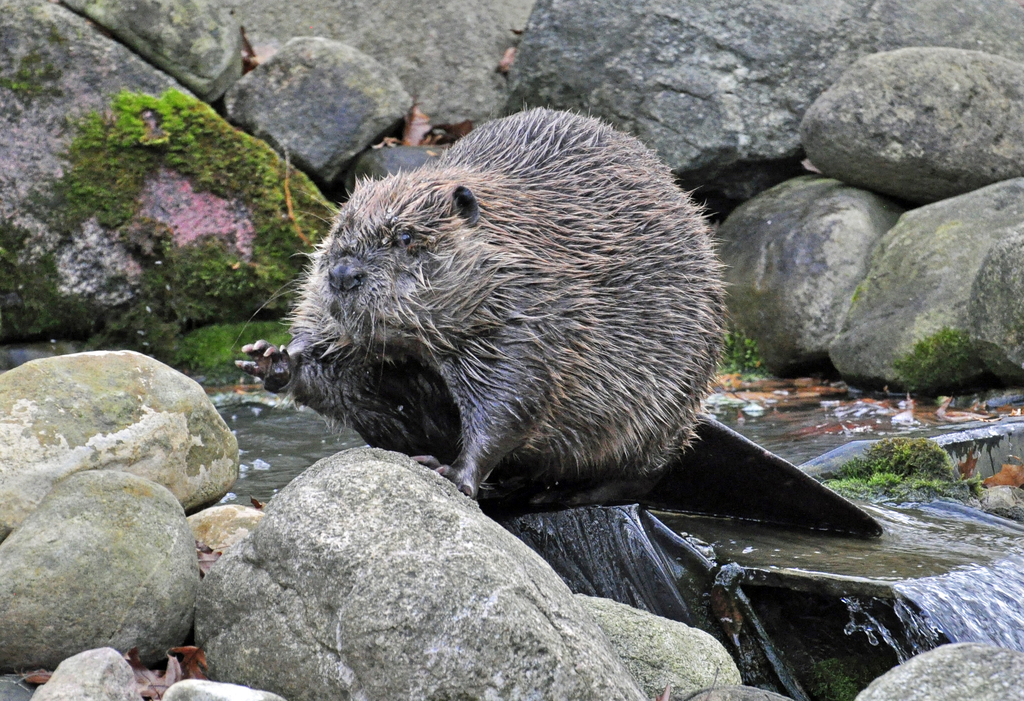
North American beavers are nature's premier ecosystem engineers, transforming dry landscapes into rich wetland habitats through deliberate dam construction. They possess orange, iron-fortified incisors capable of felling massive trees, alongside a broad, scaly tail used for balance, steering, and slapping the water to warn kin of danger. Family groups inhabit elaborate lodges constructed from sticks and mud, working collaboratively to stockpile underwater caches of branches before winter freezes the surface.
- Gray Wolf
- Cougar
- Black Bear
- OrderRodentia
- FamilyCastoridae
- GenusCastor
- SpeciesCastor canadensis
Native range in olive; established introduced range in rust.
- Low
- Moderate
- High
- Very high
- Why interaction risk is low
- Possesses powerful incisors and strong jaws; observe from a respectful distance along waterways.
- Why it is dangerous
- Equipped with continuously growing, iron-chiseled incisors capable of delivering deep, severe bites if cornered or threatened.
- How to recognize a risky encounter
- Recognized by its large stocky body, dark brown waterproof fur, and broad, flat, scaly paddle tail.
- What to do
- Never approach or attempt to handle wild beavers; keep dogs on leash near active lodges and dam sites.
- Patience at Dusk: Scan tranquil ponds near dawn or dusk when beavers emerge to forage and maintain lodges.
- Listen for Tail Slaps: A sharp, loud slap on the water surface signals danger and warns family members.
- Maintain Distance: Observe lodge activity from shore with binoculars to avoid disrupting their routines.

Co-Inhabitant (c) Owen Strickland, some rights reserved (CC BY), uploaded by Owen Strickland · cc-by
Habitat Companion no rights reserved, uploaded by Adam Jackson · cc0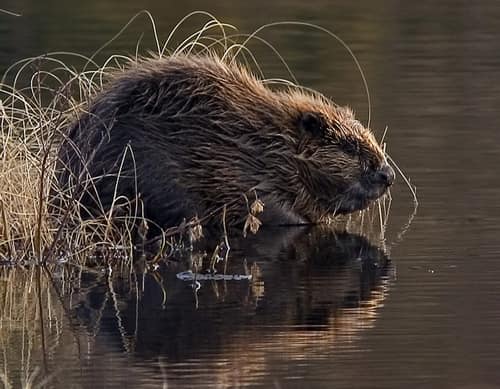
Close Relative Per Harald Olsen / CC BY-SA 3.0 · cc-by-sa
Found in Collections
Wetland Territory
North American Beaver is found in this collection. Identify it in Fauna to fill this slot and continue your progress.
Report a name, category, or profile issue for review.