
Mammal · GBIF taxon 6164216
Arabian Wolf
Canis lupus arabsAlso known as Desert Wolf
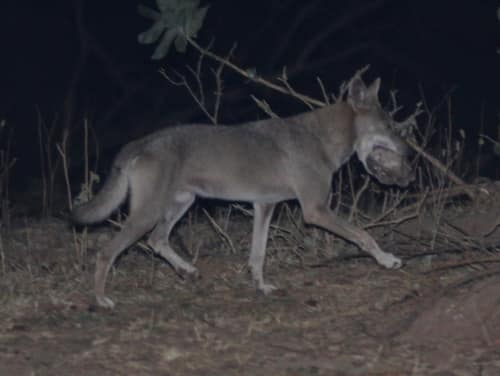
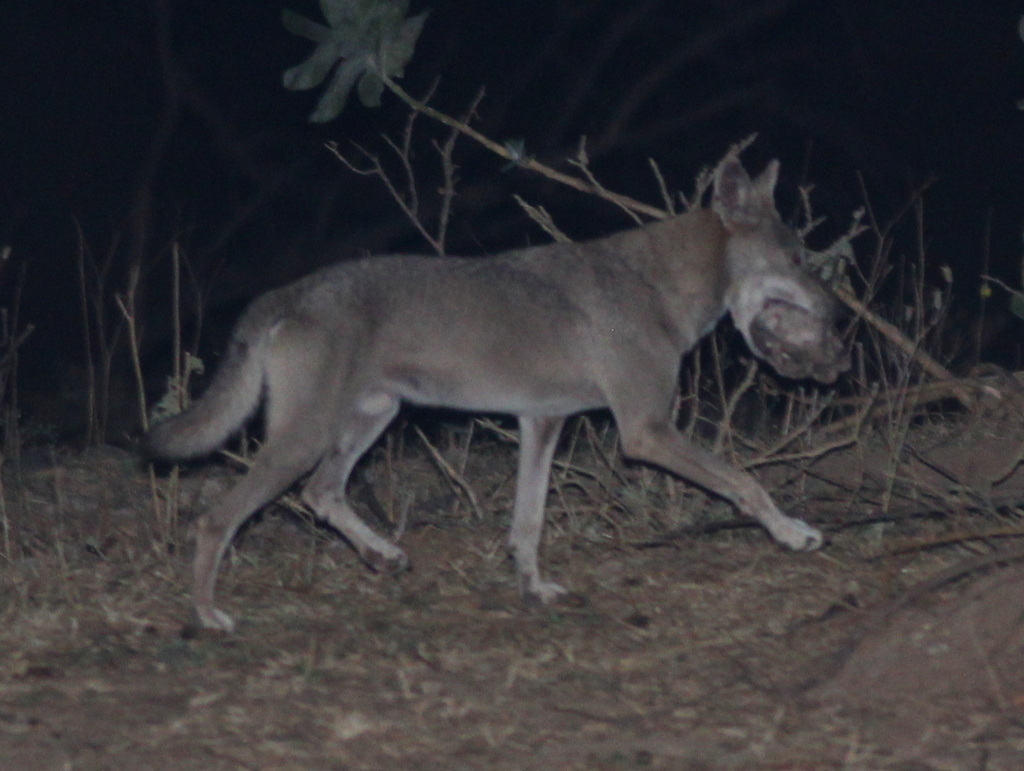
Arabian wolves are highly specialized desert survivors, sporting large ears to dissipate heat and a short, thin coat during the scorching summer months. Unlike their northern cousins, these slender canids rarely hunt in large packs, instead roaming in pairs or small family groups of three to four individuals. They play a vital ecological role by regulating populations of desert rodents and weak ungulates across their arid homeland.
Desert-adaptedNocturnalApex Predator
—observations
—countries
—peak records
Least ConcernConservation statusIUCN Red List categoriesLCNTVUENCREWEXLeast ConcernRed List categories, explained →
Diet & prey
- Cape Hare
- Sand Gazelle
- Desert Rodents
Predators
- Humans
- Arabian Leopard
- Striped Hyena
ThreatsHabitat fragmentation, persecution by livestock farmers, hybridization with feral dogs, and vehicular collisions
HabitatsDeserts, arid scrublands, gravel plains, and volcanic fields
Life span8 to 12 years in the wild
Size / weightNot available
Classification
- FamilyCanidae
- SpeciesCanis lupus arabs
Range data is not available yet.
Interaction riskModerate
- Low
- Moderate
- High
- Very high
- Why interaction risk is moderate
- Can deliver a defensive bite and carry rabies; maintain a safe distance and never feed them.
- Why it is dangerous
- Capable of inflicting severe defensive bites if cornered, and can transmit rabies to humans and domestic pets.
- How to recognize a risky encounter
- Look for a small, slender build, large ears, and a short sandy-beige coat with black-tipped guard hairs.
- What to do
- Never approach, corner, or attempt to feed a wolf; back away slowly if one approaches you.
- What to notice
- Distinguished by its petite size compared to other wolves, weighing only about 20 kilograms.
- Support conservation
- Avoid disclosing precise den locations online to protect breeding pairs from poachers and retaliatory killings.
Responsible observation
- Secure Food: Keep campsites free of food waste to prevent habituating these opportunistic scavengers.
- Observe from Afar: Use binoculars to watch their nocturnal activities without disrupting their natural hunting behaviors.
- Report Sightings: Share observations with local conservation groups to help track their fragile populations.
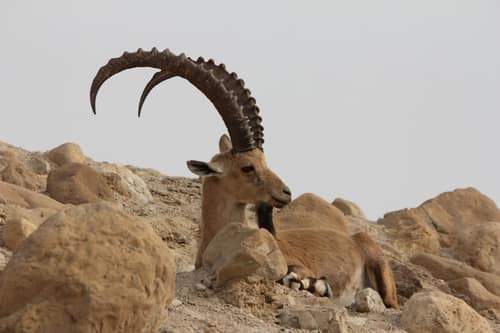
Prey (c) Thomas Galewski, some rights reserved (CC BY), uploaded by Thomas Galewski · cc-by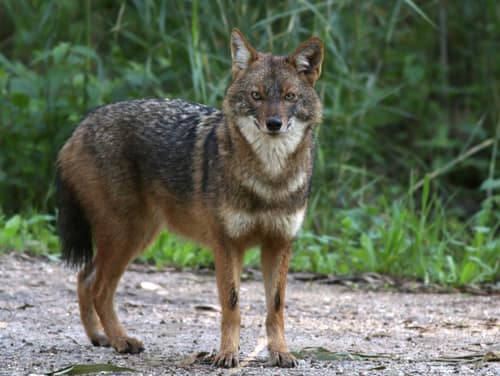
Competitor (c) Jan Ebr & Ivana Ebrová, some rights reserved (CC BY), uploaded by Jan Ebr & Ivana Ebrová · cc-by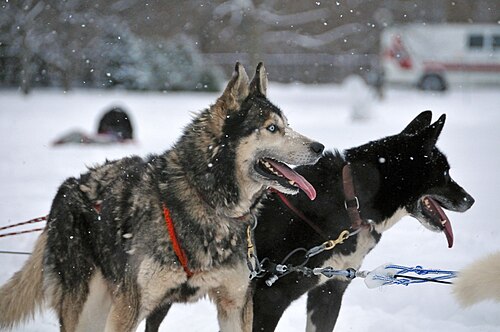
Competitor M. Rehemtulla / CC BY 2.0 · cc-by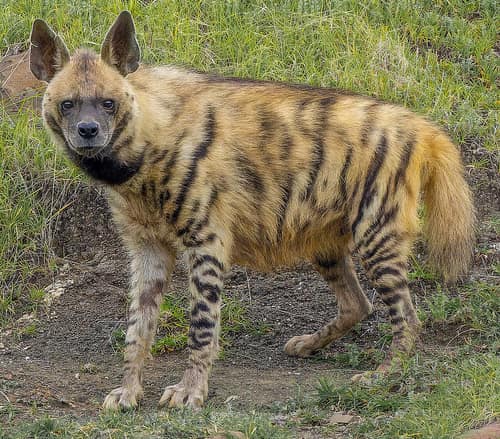
Competitor Tisha Mukherjee / CC BY-SA 4.0 · cc-by-sa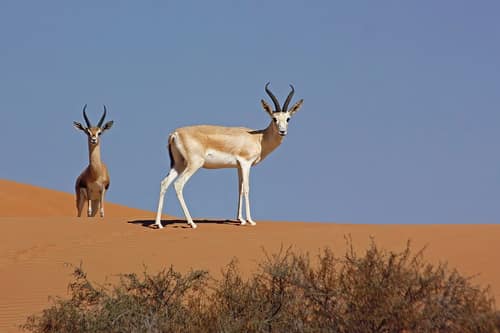
Prey Charles J. Sharp / CC BY-SA 4.0 · cc-by-sa
Help improve the field guideSomething wrong?
Checking your Fauna account…Report a name, category, or profile issue for review.