
Mammal
Domestic Dog
Canis lupus familiarisAlso known as Canine
Domestic dogs exhibit extraordinary morphological and behavioral diversity, ranging from tiny toy breeds to giant draft animals. Selectively bred over tens of thousands of years, they possess highly tuned social cognitive skills that allow them to interpret human vocal cues, gestures, and facial expressions with remarkable accuracy. While most live alongside humans as companion and working animals, feral populations maintain complex pack dynamics and hunt small to medium-sized game.
DomesticatedSocialMammal
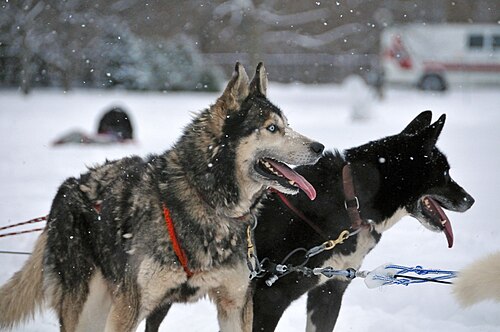
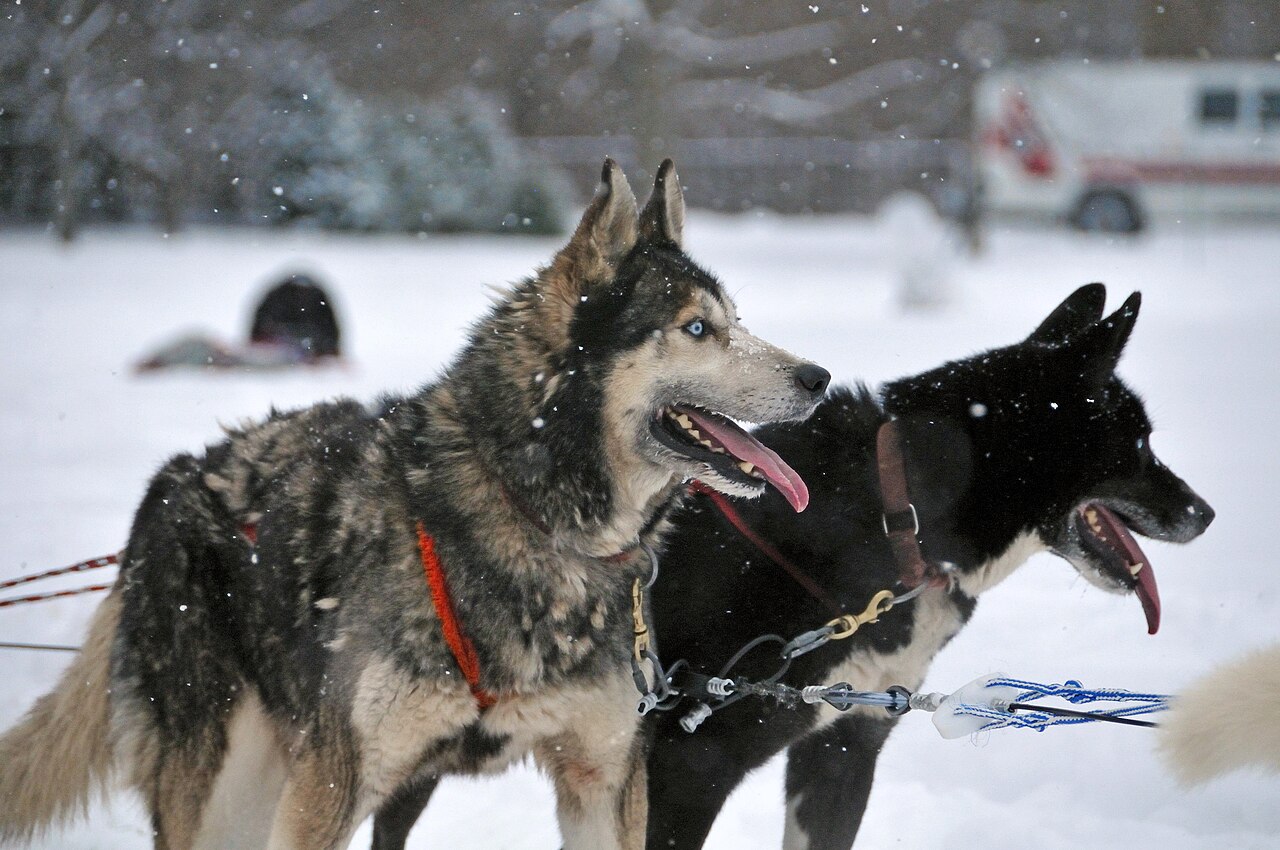
—observations
—countries
—peak records
Not EvaluatedConservation statusIUCN Red List categoriesLCNTVUENCREWEXNot Evaluated — not placed on the risk ladderRed List categories, explained →
Diet & preyRodents, Rabbits, Small Livestock
Predators
- Gray Wolves
- Cougars
- Coyotes
ThreatsInfectious diseases, vehicular traffic, neglect, and conflict with wild predators
HabitatsHuman settlements, urban environments, farmland, and feral natural areas
Life span10–15 years
Classification
- OrderCarnivora
- FamilyCanidae
- GenusCanis
- SpeciesCanis lupus familiaris
Range data is not available yet.
Interaction riskLow
- Low
- Moderate
- High
- Very high
- Why interaction risk is low
- May bite if cornered, startled, or guarding territory; always ask permission before approaching an unfamiliar dog.
- Why it is dangerous
- Strong jaws and sharp teeth can cause puncture wounds or tearing when defending territory or reacting out of fear.
- How to recognize a risky encounter
- Recognize defensive warnings such as stiff posture, raised hackles, fixed staring, low growling, or bare teeth.
- What to do
- Avoid sudden gestures, refrain from making direct eye contact, and back away slowly if a dog shows signs of stress.
Responsible observation
- Greeting Etiquette: Offer the back of a closed hand for sniffing before attempting to touch.
- Reading Signals: Look for relaxed posture and loose tail wags rather than rigid body stance or direct staring.
- Handler Permission: Ask the owner before approaching or offering food to an unfamiliar dog.
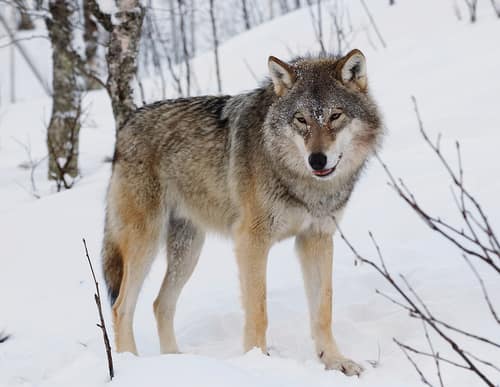
Direct Ancestor User:Mas3cf / CC BY-SA 4.0 · cc-by-sa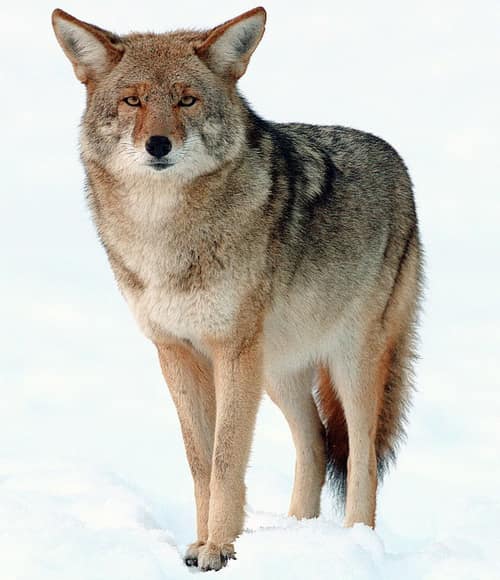
Close Relative Yathin S Krishnappa / CC BY-SA 3.0 · cc-by-sa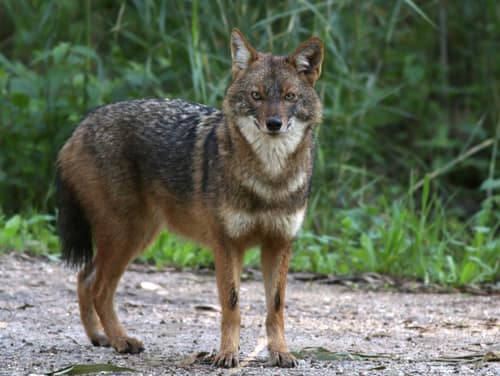
Genus Relative (c) Jan Ebr & Ivana Ebrová, some rights reserved (CC BY), uploaded by Jan Ebr & Ivana Ebrová · cc-by
Help improve the field guideSomething wrong?
Checking your Fauna account…Report a name, category, or profile issue for review.