
Mammal
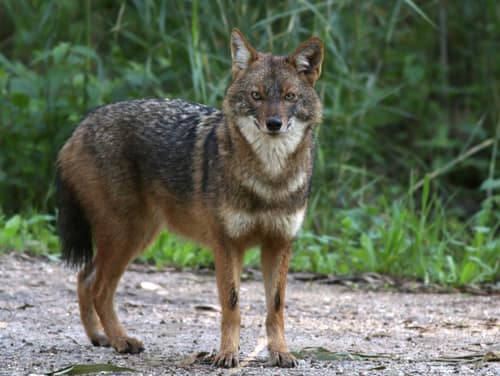
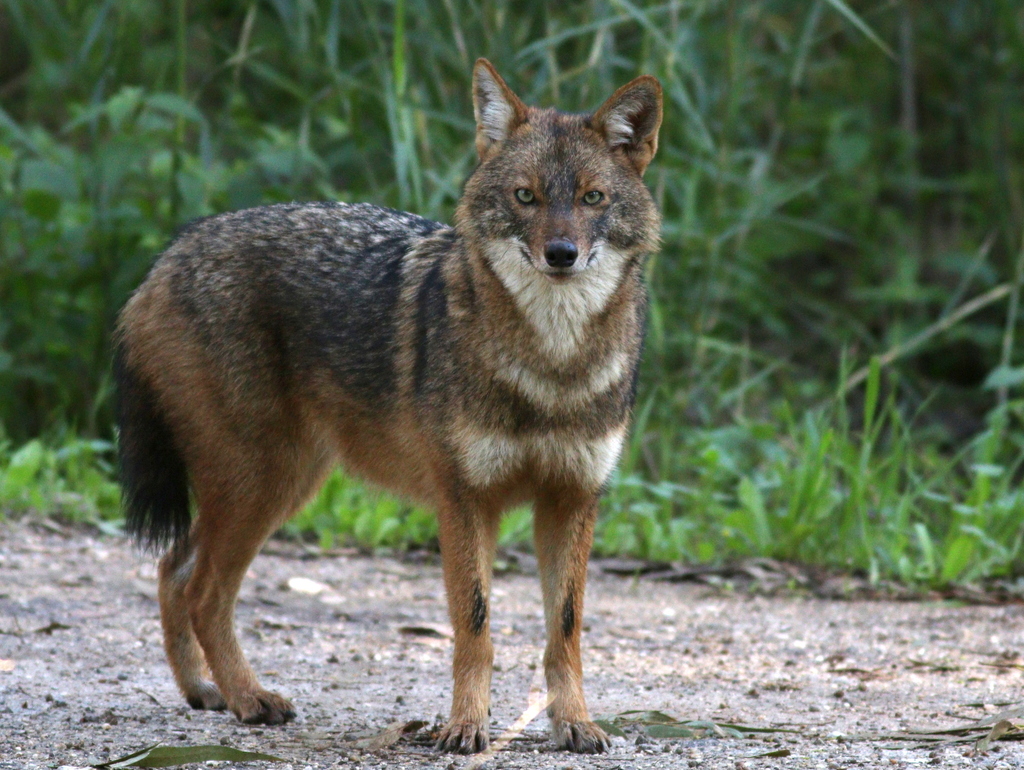
Golden Jackal
Canis aureusAlso known as Common Jackal, Eurasian Jackal, Asiatic Jackal
Golden jackals are highly adaptable, opportunistic omnivores that thrive in monogamous pairs or small family packs. They communicate through synchronized, nocturnal howling choruses that echo across open plains and the outskirts of human settlements. Their remarkable flexibility in habitat and diet has driven a rapid westward expansion deep into Central Europe.
AdaptableNocturnalSocial
—observations
—countries
—peak records
Least ConcernConservation statusIUCN Red List categoriesLCNTVUENCREWEXLeast ConcernRed List categories, explained →
Diet & preyRodents, Hares, Fruit
Predators
- Grey Wolf
- Eurasian Lynx
- Leopard
ThreatsPersecution, road accidents, disease transmission, habitat loss
HabitatsSavannas, scrublands, grasslands, agricultural areas, marshes
Life span8–10 years in the wild; up to 16 years in captivity
Classification
- FamilyCanidae
- SpeciesCanis aureus
Native
Interaction riskModerate
- Low
- Moderate
- High
- Very high
- Why interaction risk is moderate
- Can carry rabies and may bite if cornered; keep a safe distance and never attempt to feed them.
- Why it is dangerous
- May carry rabies and canine distemper, and can inflict severe bite wounds if cornered or defending pups.
- How to recognize a risky encounter
- Look for a slender, reddish-gold to tawny canid with a bushy black-tipped tail and large erect ears.
- What to do
- Never approach, corner, or attempt to feed wild jackals; back away slowly if encountered close up.
Responsible observation
- Maintain distance: Use binoculars to watch foraging behavior without causing distress.
- Secure trash: Keep food scraps in wildlife-proof bins to prevent human habituation.
- Leash pets: Keep dogs on leash in jackal habitat to prevent territorial aggression.
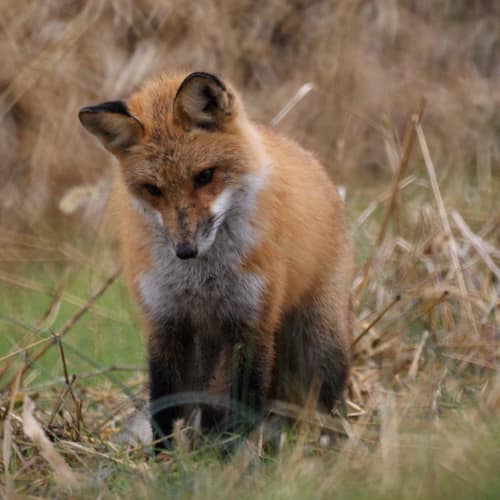
Competitor "Red Fox" by Mike's Birds is licensed under CC BY-SA 2.0. To view a copy of this license, visit https://creativecommons.org/licenses/by-sa/2.0/. · cc-by-sa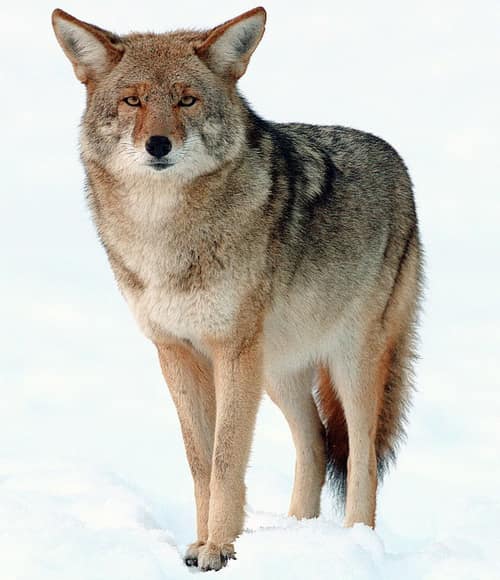
Ecological Counterpart Yathin S Krishnappa / CC BY-SA 3.0 · cc-by-sa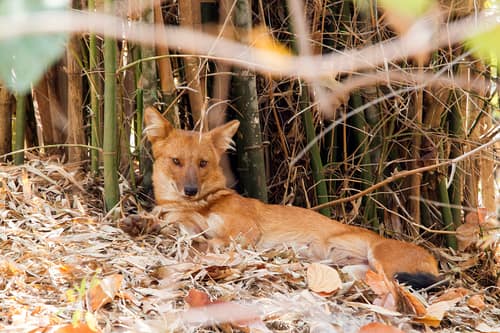
Competitor (c) Ramesh Shenai Jr., some rights reserved (CC BY), uploaded by Ramesh Shenai Jr. · cc-by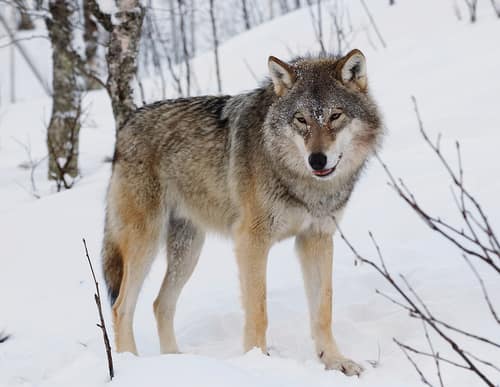
Close Relative User:Mas3cf / CC BY-SA 4.0 · cc-by-sa
Help improve the field guideSomething wrong?
Checking your Fauna account…Report a name, category, or profile issue for review.