
Mammal · GBIF taxon 6164181
Indian Wolf
Canis lupus pallipesAlso known as Indian Plains Wolf, Desert Wolf
Indian wolves are slender, short-haired predators perfectly adapted to the hot, arid plains and scrublands of the Indian subcontinent. Unlike their northern cousins, they travel in smaller, quieter packs and rely on stealth and cunning to hunt swift prey like blackbuck. Their survival is increasingly tied to the preservation of open grasslands, which are rapidly disappearing due to agricultural expansion.
NocturnalCarnivore
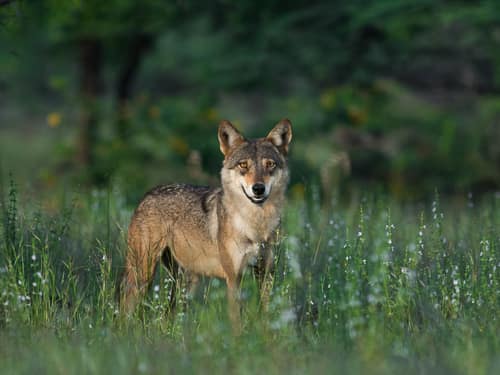
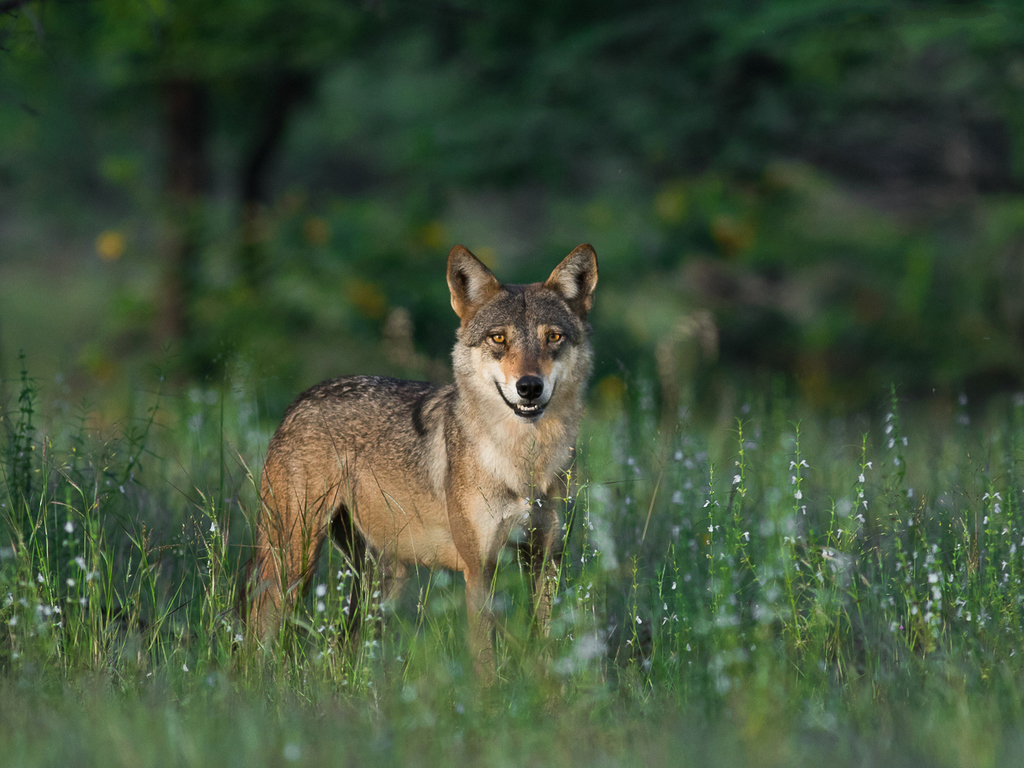
Licensed reference(c) Rudraksha Chodankar, some rights reserved (CC BY-SA) · cc-by-sa
—observations
—countries
—peak records
EndangeredConservation statusIUCN Red List categoriesLCNTVUENCREWEXEndangeredRed List categories, explained →
Diet & prey
- Blackbuck
- Chinkara
- Indian Hare
Predators
- Bengal Tiger
- Leopard
- Humans
ThreatsHabitat loss, hybridization with feral dogs, prey depletion, and retaliatory killing.
HabitatsArid grasslands, scrub forests, semi-desert regions, and agricultural fringes.
Life span8 to 12 years
Classification
- FamilyCanidae
- SpeciesCanis lupus pallipes
Range data is not available yet.
Interaction riskHigh
- Low
- Moderate
- High
- Very high
- Why interaction risk is high
- Capable of defensive attacks if cornered or protecting pups; maintain a safe distance.
- Why it is dangerous
- Equipped with powerful jaws and sharp teeth, they can inflict severe injuries if they feel threatened, cornered, or when defending their pack.
- How to recognize a risky encounter
- Look for a slender, tawny-grey build, large ears, and a lack of a thick winter ruff, distinguishing them from other wolves.
- What to do
- Never attempt to feed, corner, or approach an Indian wolf; back away slowly while facing the animal if encountered.
- What to notice
- Recognizable by their lean, leggy silhouette and reddish-grey coats in open grasslands and scrub.
- Support conservation
- Keep vehicle noise low in protected grasslands and never disturb active denning sites between October and December.
Responsible observation
- Keep Distance: Avoid approaching wolves, especially near den sites or when they are hunting.
- Secure Livestock: Use predator-proof fencing and guard animals to prevent conflict in rural areas.
- Report Sightings: Share observations with local conservation groups to help track these rare predators.
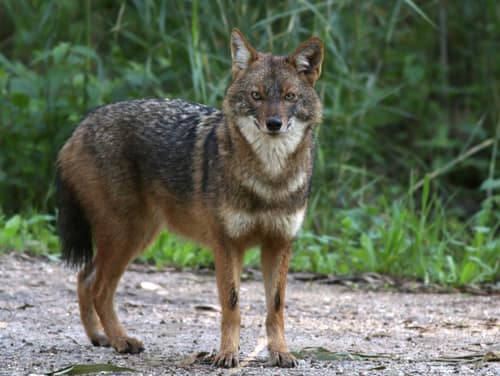
Competitor (c) Jan Ebr & Ivana Ebrová, some rights reserved (CC BY), uploaded by Jan Ebr & Ivana Ebrová · cc-by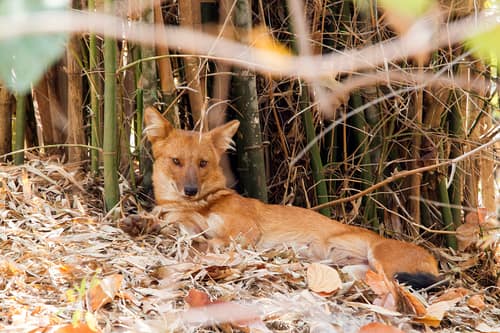
Competitor (c) Ramesh Shenai Jr., some rights reserved (CC BY), uploaded by Ramesh Shenai Jr. · cc-by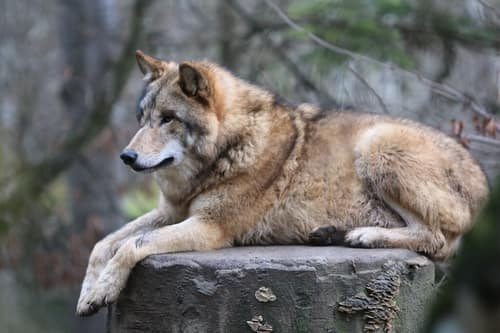
Close Relative (c) Lutz Fischer-Lamprecht, some rights reserved (CC BY-SA) · cc-by-sa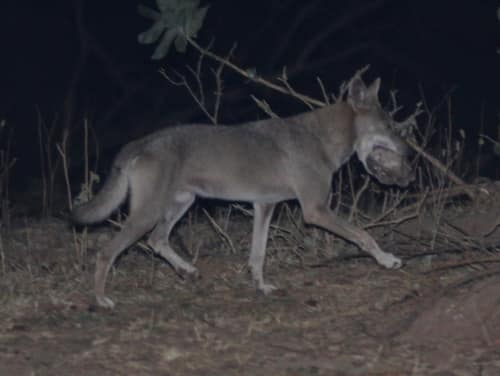
Close Relative (c) Jan Ebr & Ivana Ebrová, some rights reserved (CC BY), uploaded by Jan Ebr & Ivana Ebrová · cc-by
Help improve the field guideSomething wrong?
Checking your Fauna account…Report a name, category, or profile issue for review.