
Fungus
Shaggy Parasol
Chlorophyllum rhacodesShaggy parasols emerge in disturbed soils, coniferous mulch, and open woods, unfolding large caps covered in thick, concentric brown scales. When sliced or bruised, the pale interior flesh quickly oxidizes to a striking saffron-orange before fading to dull brown. These saprotrophic fungi break down rich organic matter, frequently fruiting in broad rings or dense clusters following autumn rainstorms.
Forest FloorSaprophyteFruiting Body
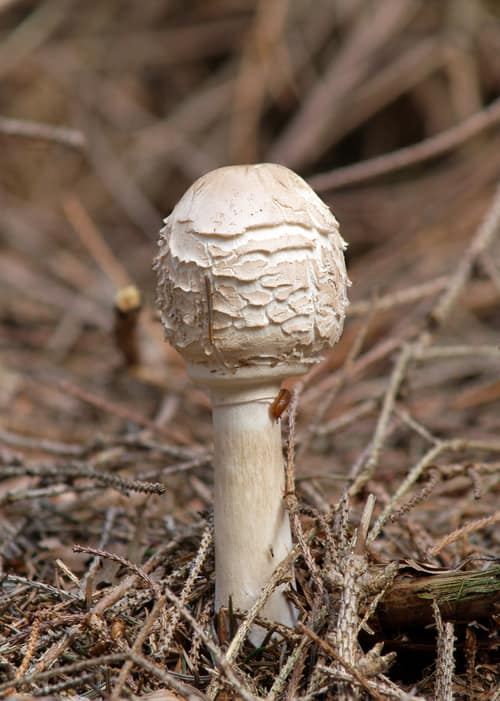
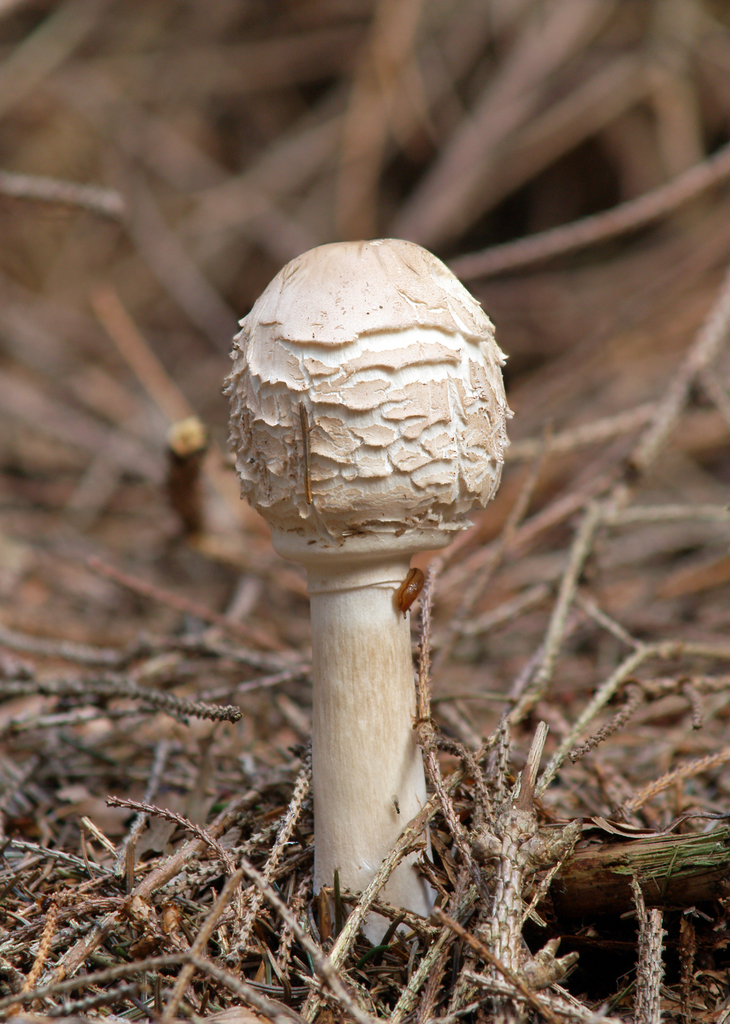
—observations
—countries
—peak records
Not EvaluatedConservation statusIUCN Red List categoriesLCNTVUENCREWEXNot Evaluated — not placed on the risk ladderRed List categories, explained →
Diet & preyDecaying leaf litter, Conifer needles, Rich soil humus
Predators
- Slugs
- Fungus gnat larvae
- Small rodents
ThreatsHabitat clearance and severe soil contamination
HabitatsConiferous and mixed woodlands, forest margins, compost heaps, and landscaped gardens
Life spanMycelium lives for decades; fruiting bodies persist 4–8 days
Classification
- OrderAgaricales
- FamilyAgaricaceae
- GenusChlorophyllum
- SpeciesChlorophyllum rhacodes
Range data is not available yet.
Interaction riskLow
- Low
- Moderate
- High
- Very high
- Why interaction risk is low
- Many edible mushrooms have toxic look-alikes; never eat wild fungi based on app identification alone.
Responsible observation
- Spore print: Take a spore print on dark paper to confirm its white to pale cream color.
- Bruising reaction: Scratch the stem or flesh to observe the distinct reddish oxidation.
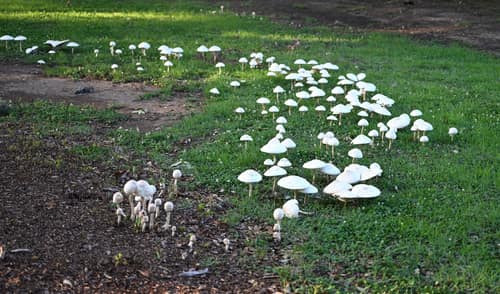
Toxic Look-Alike (c) Amber M. King, some rights reserved (CC BY), uploaded by Amber M. King · cc-by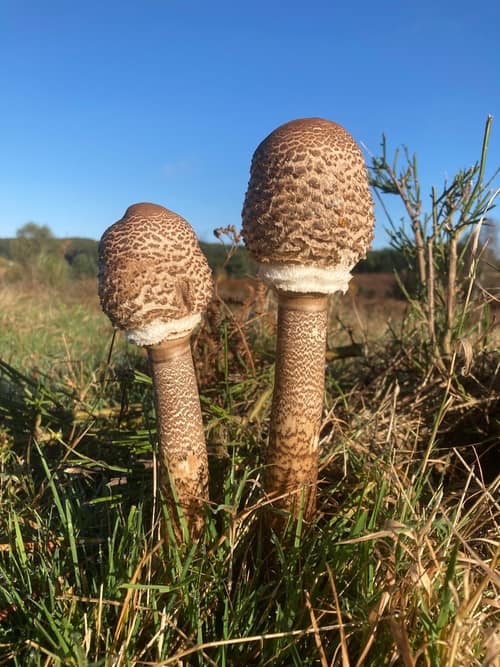
Close Relative (c) Lucian Clanet, some rights reserved (CC BY), uploaded by Lucian Clanet · cc-by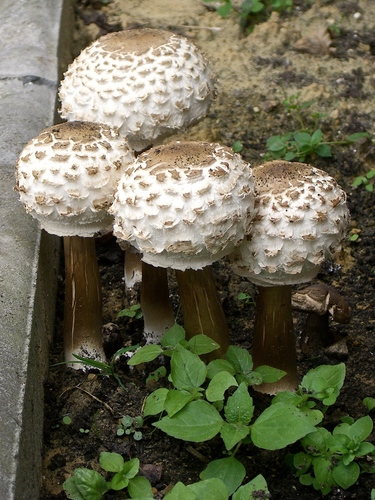
Close Relative (c) Kristina D.C. Hoeppner, some rights reserved (CC BY-SA) · cc-by-sa
Help improve the field guideSomething wrong?
Checking your Fauna account…Report a name, category, or profile issue for review.