
Invertebrate
Cylinder Anemone
Cerianthus membranaceusAlso known as Coloured Tube Anemone, Mediterranean Tube Anemone, Tube Anemone
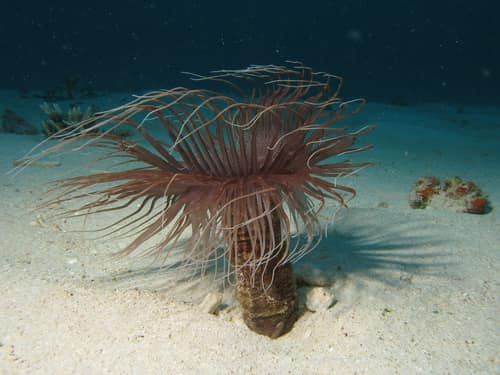
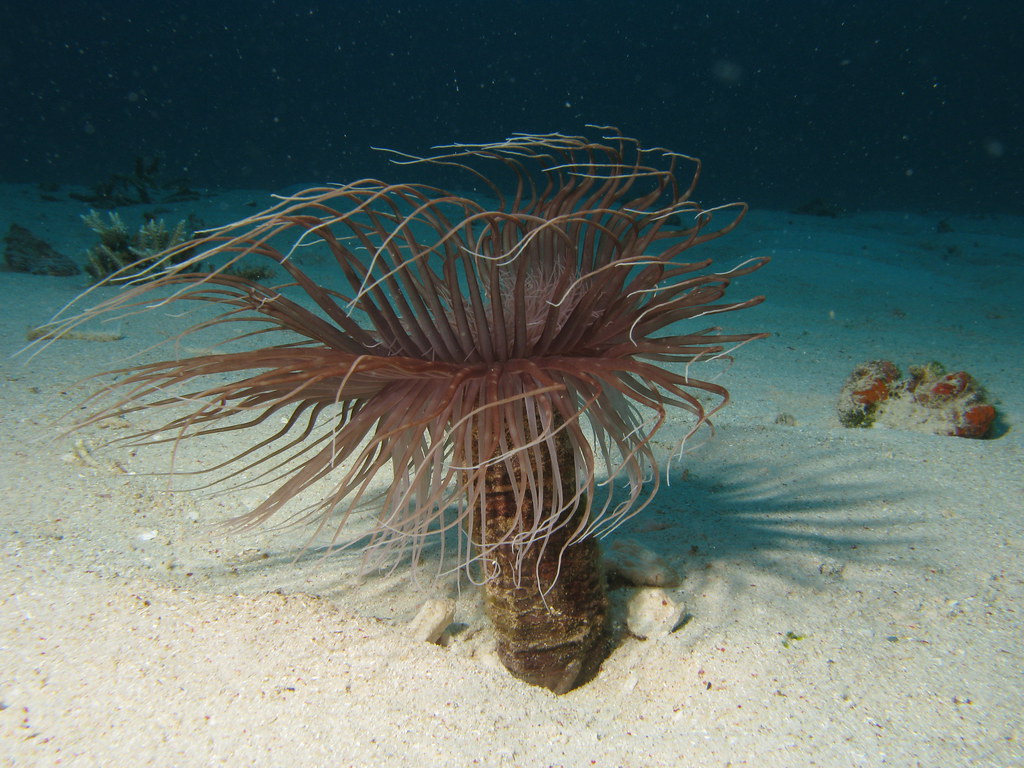
Cylinder anemones build fibrous, protective tubes buried deep within sandy or muddy sediment along the sea floor. These impressive marine invertebrates feature two distinct rings of tentacles: long outer marginal tentacles that capture drifting food in currents, and short inner tentacles surrounding the central mouth. They display remarkable color variations, ranging from deep purple and orange to brilliant fluorescent green and white.
MarineTube-DwellingColorful
—observations
—countries
—peak records
Not EvaluatedConservation statusIUCN Red List categoriesLCNTVUENCREWEXNot Evaluated — not placed on the risk ladderRed List categories, explained →
Diet & preyZooplankton, Small Crustaceans, Fish Larvae
Predators
- Sea Slugs
- Sea Spiders
- Sea Stars
ThreatsTrawling, coastal pollution, habitat destruction
HabitatsSoft substrates, sandy or muddy sea floors
Life span10–20 years
Classification
- FamilyCerianthidae
- GenusCerianthus
- SpeciesCerianthus membranaceus
Range data is not available yet.
Interaction riskLow
- Low
- Moderate
- High
- Very high
- Why interaction risk is low
- Safe to observe at a normal distance.
Responsible observation
- Observing in the Wild: Approach slowly while diving, as sudden water movements trigger quick withdrawal into its tube.
- Photography: Use external lighting to highlight the striking multi-colored rings of tentacles.
- Avoid Disturbance: Never attempt to pull the anemone from its substrate, which damages its protective tube.
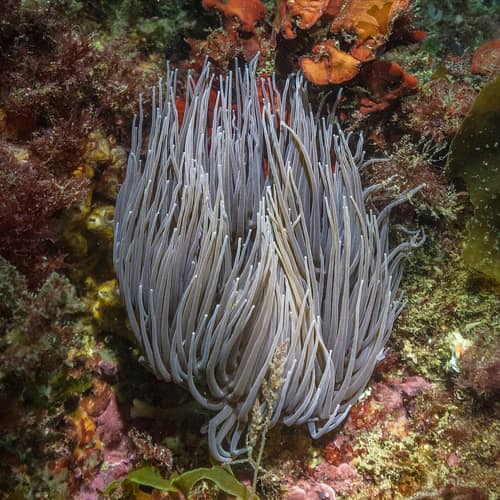
Regional Neighbor Diego Delso / CC BY-SA 4.0 · cc-by-sa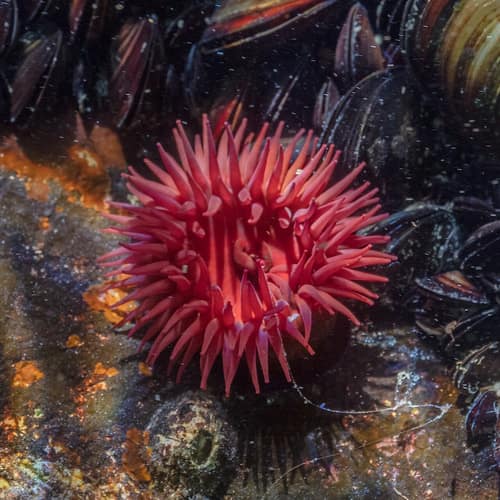
Regional Neighbor Diego Delso / CC BY-SA 4.0 · cc-by-sa Image unavailable
Regional Neighbor Close Relative
Help improve the field guideSomething wrong?
Checking your Fauna account…Report a name, category, or profile issue for review.