
Invertebrate · GBIF taxon 2256559
Atlantic Beadlet Anemone
Actinia equinaAlso known as Beadlet Anemone, Common Red Sea Anemone
Beadlet anemones cling tightly to exposed rocks and tide pools, transforming from jelly-like red blobs at low tide into flowering crowns of up to 192 tentacles once submerged. Beneath the outer tentacles lies a striking ring of bright iridescent blue beads, called acrorhagi, packed with stinging cells used to wage territorial battles against neighboring anemones. Remarkably resilient to desiccation and salinity fluctuations, they can survive hours exposed to the air by sealing moisture inside their retracted column.
MarineTide PoolCarnivorous
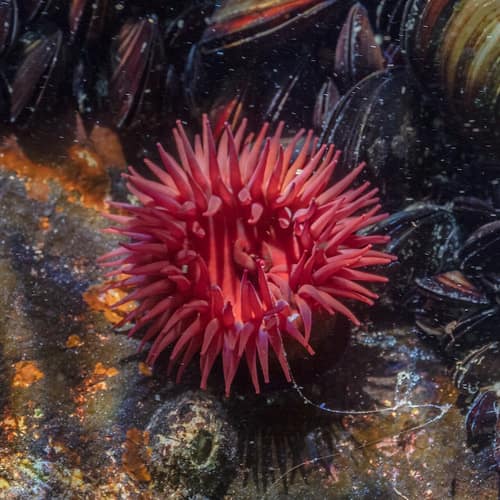
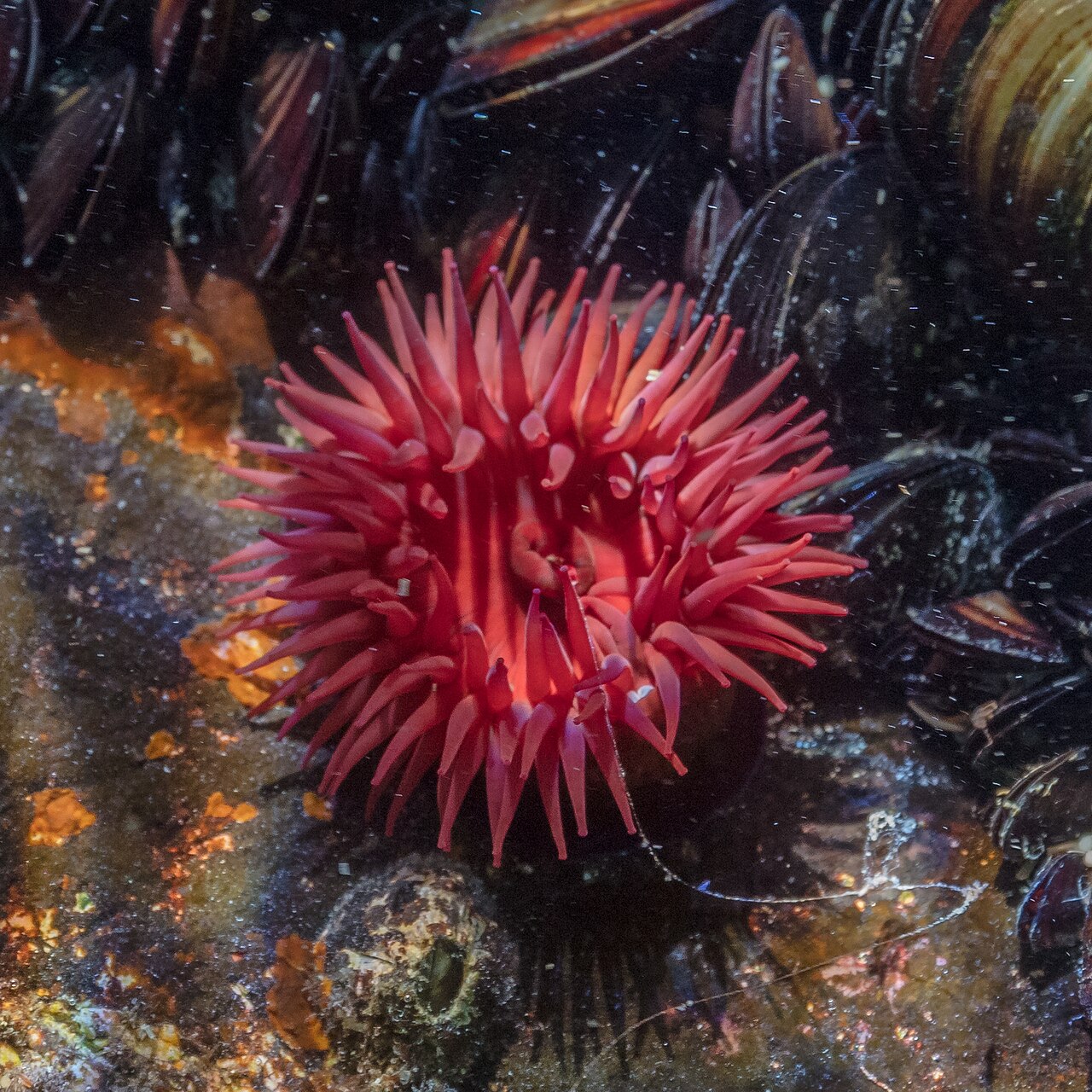
Licensed referenceDiego Delso / CC BY-SA 4.0 · cc-by-sa
—observations
—countries
—peak records
Not EvaluatedConservation statusIUCN Red List categoriesLCNTVUENCREWEXNot Evaluated — not placed on the risk ladderRed List categories, explained →
Diet & prey
- Shore Crab (Carcinus maenas larvae)
- Common Prawn (Palaemon serratus)
- Acorn Barnacle (Semibalanus balanoides nauplii)
Predators
- Grey Sea Slug (Aeolidia papillosa)
- Common Sea Spider (Pycnogonum littorale)
- Ballan Wrasse (Labrus bergylta)
ThreatsCoastal pollution, trampling by shore visitors, and localized marine heatwaves
HabitatsIntertidal rocky shores, tide pools, crevices, and pier pilings from the splash zone to shallow sublittoral zones
Life spanUp to 50–80 years (specimens in captivity have exceeded 65 years)
Size / weightNot available
Classification
- FamilyActiniidae
- SpeciesActinia equina
Range data is not available yet.
Interaction riskVery high
- Low
- Moderate
- High
- Very high
- Why interaction risk is very high
- Harmless to humans; tentacle stings cannot penetrate human skin, though touching sensitive areas may cause minor irritation.
Responsible observation
- Tide Pool Etiquette: Observe them submerged in pools where their tentacles are fully expanded rather than poking exposed, retracted individuals.
- Gentle Exploration: Avoid pulling them off rocks, as tearing their basal disc causes fatal injuries.
- Footwear Caution: Step carefully on barnacle-covered rocks to avoid crushing retracted anemones resting in shaded crevices.
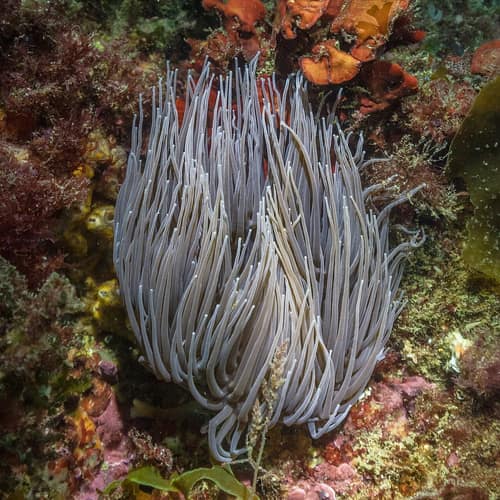
Neighbor Diego Delso / CC BY-SA 4.0 · cc-by-sa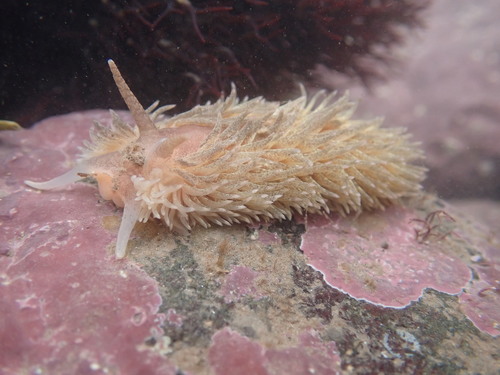
Predator (c) Ian Manning, some rights reserved (CC BY), uploaded by Ian Manning · cc-by Image unavailable
Neighbor Close Relative
Help improve the field guideSomething wrong?
Checking your Fauna account…Report a name, category, or profile issue for review.