
Bird
Northern Royal Albatross
Diomedea sanfordiAlso known as Toroa, Northern Royal
Northern royal albatrosses spend the vast majority of their lives riding subantarctic ocean winds on immense wings, touching land almost exclusively to breed. Pairs mate for life and engage in elaborate courtship rituals involving bill-clapping, synchronized sky-pointing, and gentle mutual preening. Raising a single chick requires nearly a full year of intensive parental care, prompting successful breeders to nest only once every two years.
PelagicSeabird
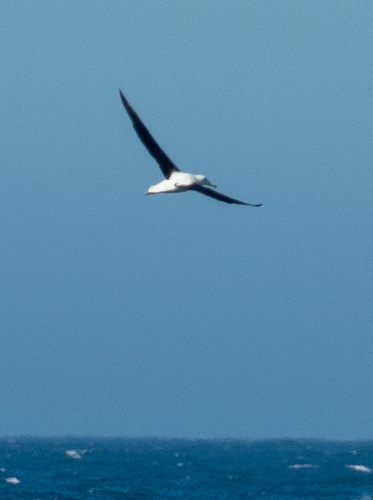
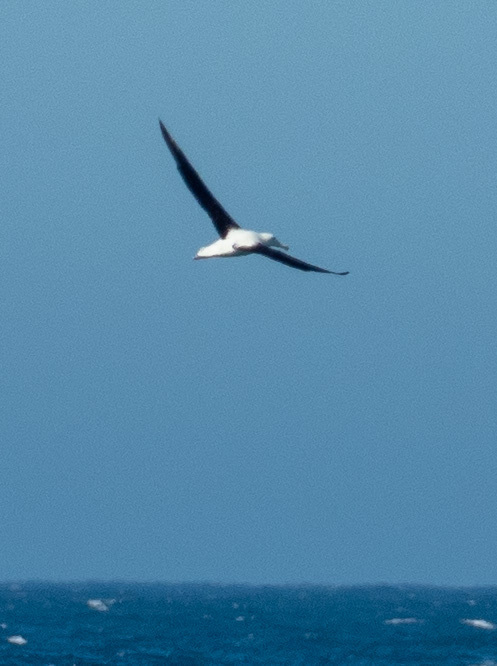
—observations
—countries
—peak records
EndangeredConservation statusIUCN Red List categoriesLCNTVUENCREWEXEndangeredRed List categories, explained →
Diet & preySquid, Bony fish, Salps
Predators
- Stoats
- Feral cats
- Southern giant petrels
ThreatsCommercial longline fisheries bycatch, severe storms, and introduced predators
HabitatsOpen southern oceans and windswept offshore islands
Life span40–60 years
Classification
- OrderProcellariiformes
- FamilyDiomedeidae
- GenusDiomedea
- SpeciesDiomedea sanfordi
Range data is not available yet.
Interaction riskLow
- Low
- Moderate
- High
- Very high
- Why interaction risk is low
- Safe to observe at a normal distance.
- What to notice
- Recognizable by an immense three-meter wingspan, pure white body, fully dark upperwings, and a pale pink bill.
- Support conservation
- Remain strictly within marked observation hides and maintain absolute quiet near active breeding promontories.
Responsible observation
- Taiaroa Head Viewing: Visit the mainland colony on New Zealand's Otago Peninsula to observe nests safely from indoor blinds.
- Pelagic Birding: Scan offshore feeding flocks behind fishing vessels with high-magnification binoculars or telephoto lenses.
- Nesting Respect: Avoid making sudden noises or approaching nesting headlands outside of guided ecotours.
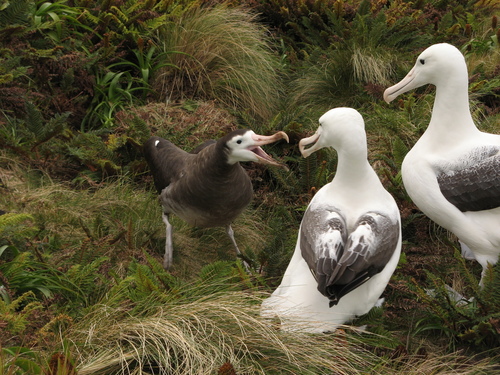
Same Genus (c) M Rutherford, some rights reserved (CC BY) · cc-by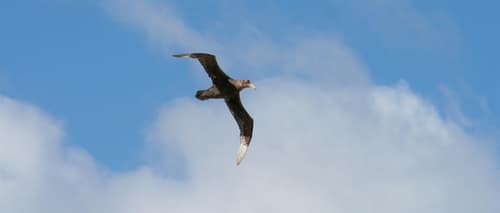
Competitor (c) Richard Giddins, some rights reserved (CC BY) · cc-by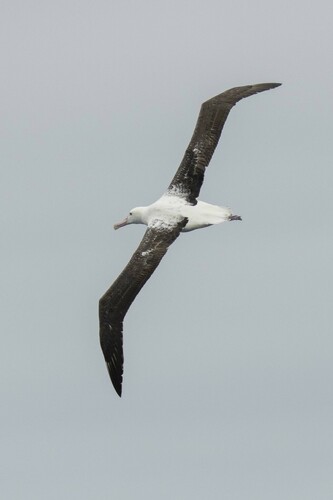
Close Relative (c) Luciano Massa, some rights reserved (CC BY), uploaded by Luciano Massa · cc-by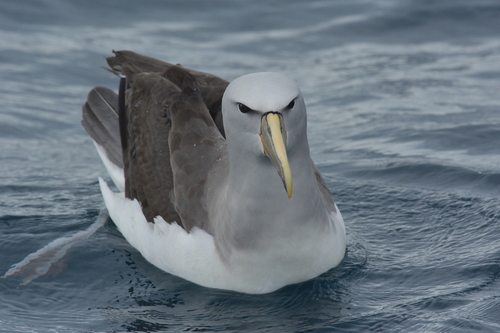
Same Family (c) Christopher Stephens, some rights reserved (CC BY-SA) · cc-by-sa
Help improve the field guideSomething wrong?
Checking your Fauna account…Report a name, category, or profile issue for review.