
Bird · GBIF taxon 2481515
Southern Giant-Petrel
Macronectes giganteusAlso known as Antarctic Giant Petrel, Giant Fulmar, Stinker, Stinkpot
Southern giant petrels dominate the skies and waters of the Southern Ocean, acting as apex scavengers and formidable oceanic predators. Equipped with powerful hooked bills featuring pale green tips, they feast heavily on seal and penguin carcasses while also hunting squid, fish, and smaller seabirds. Breeding pairs assemble in loose colonies on windswept subantarctic islands, aggressively defending their nests by spitting foul stomach oil at intruders.
PelagicSeabirdOceanic
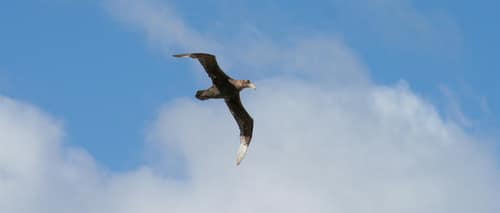
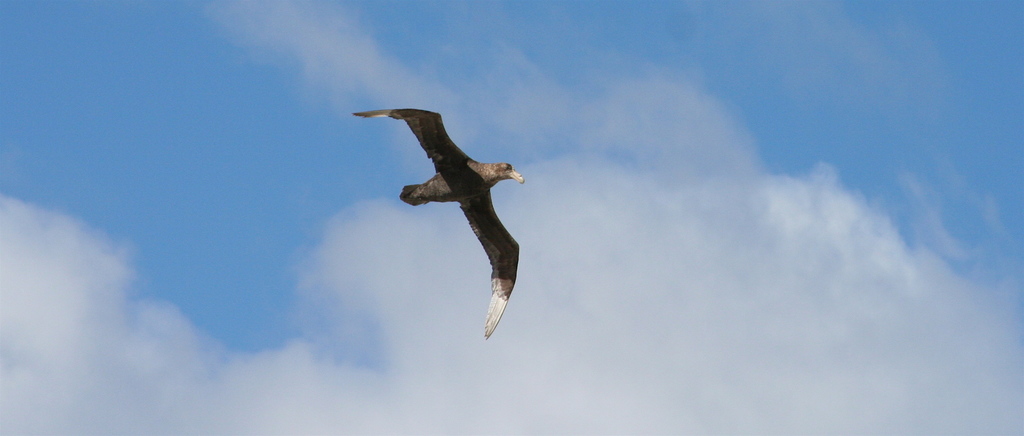
—observations
—countries
—peak records
Least ConcernConservation statusIUCN Red List categoriesLCNTVUENCREWEXLeast ConcernRed List categories, explained →
Diet & prey
- Penguins
- Seal carcasses
- Squid
Predators
- Brown Skua
- Snowy Sheathbill
- Orca
ThreatsLongline fishing bycatch, marine plastic pollution, climate change
HabitatsOpen ocean, Antarctic and subantarctic islands
Life span15–30 years
Size / weightNot available
Classification
- FamilyProcellariidae
- SpeciesMacronectes giganteus
Range data is not available yet.
Interaction riskLow
- Low
- Moderate
- High
- Very high
- Why interaction risk is low
- Nesting birds spit rank stomach oil and deliver powerful defensive bites if approached too closely.
- What to notice
- Recognizable as giant, dark brown or mottled grey petrels with pale green bill tips resting on windswept coastal ground.
- Support conservation
- Maintain a strict distance of at least 15 meters, remain low, and avoid making abrupt movements near nesting areas.
Responsible observation
- Pelagic Viewing: Observe from ocean vessels using binoculars or high-speed telephoto lenses.
- Maintain Nesting Distance: Stay well back from breeding colonies to prevent stress and defensive oil spitting.
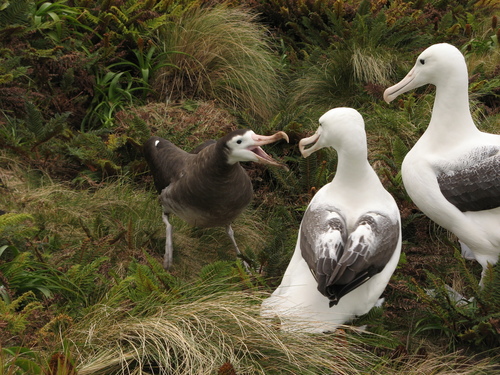
Oceanic Neighbor (c) M Rutherford, some rights reserved (CC BY) · cc-by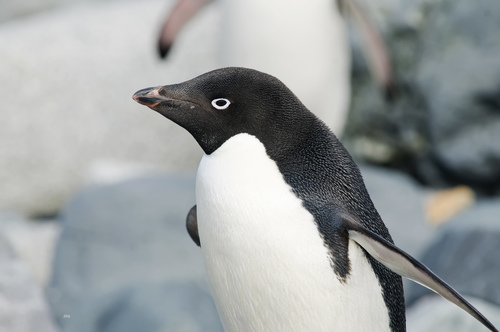
Prey (c) Seig, some rights reserved (CC BY), uploaded by Seig · cc-by Image unavailable
Close Relative 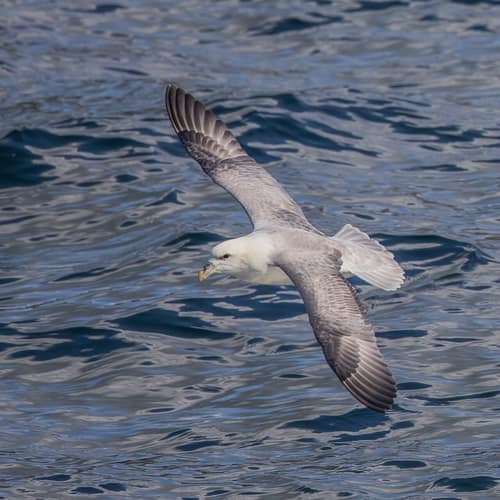
Family Member Charles J. Sharp / CC BY-SA 4.0 · cc-by-sa
Help improve the field guideSomething wrong?
Checking your Fauna account…Report a name, category, or profile issue for review.