
Mammal · GBIF taxon 5707341
Olive Baboon
Papio anubisAlso known as Anubis Baboon
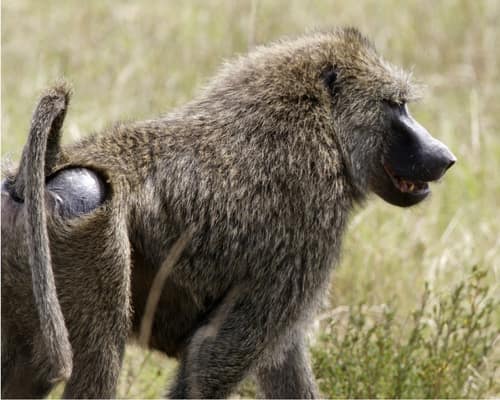
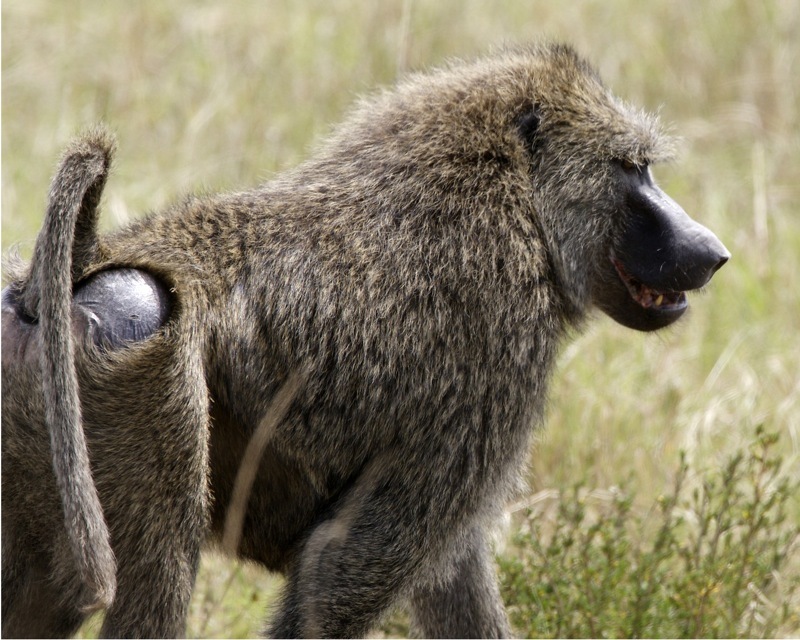
Olive baboons thrive in dynamic troops ranging from a dozen to over one hundred individuals, relying on complex dominance hierarchies and groom-partner bonds. Foraging on foot throughout the day, these adaptable primates consume everything from tender grasses and roots to bird eggs and young gazelles. At dusk, troops retreat into tall trees or cliff faces to sleep safely beyond the reach of nocturnal predators.
DiurnalSocialOmnivore
—observations
—countries
—peak records
Least ConcernConservation statusIUCN Red List categoriesLCNTVUENCREWEXLeast ConcernRed List categories, explained →
Diet & prey
- Grasses and seeds
- Fallen fruit
- Insects and small vertebrates
Predators
- Leopard
- Lion
- Spotted Hyena
ThreatsHabitat loss, human-wildlife conflict, retaliatory hunting
HabitatsSavannahs, open woodlands, steppes, montane forests
Life span20–30 years in the wild
Size / weightNot available
Classification
- OrderPrimates
- FamilyCercopithecidae
- GenusPapio
- SpeciesPapio anubis
Native
Interaction riskHigh
- Low
- Moderate
- High
- Very high
- Why interaction risk is high
- Capable of inflicting severe bites when threatened or defending troops; maintain a respectful distance.
- Why it is dangerous
- Possesses formidable canine teeth and powerful jaws capable of delivering severe puncture wounds when provoked or guarding food.
- How to recognize a risky encounter
- Look for a coarse green-grey coat, a long dog-like muzzle, and a distinct broken-tail profile where the tail erects before drooping.
- What to do
- Maintain a safe distance, back away slowly if approached, and never offer food or carry visible edible items nearby.
Responsible observation
- Observe from distance: Keep at least 15 to 20 meters away, as large males actively defend their troop.
- Secure food: Store all food inside sealed containers to prevent troops from raiding vehicles or packs.
- Avoid direct gaze: Refrain from prolonged eye contact or displaying teeth, which baboons interpret as aggression.
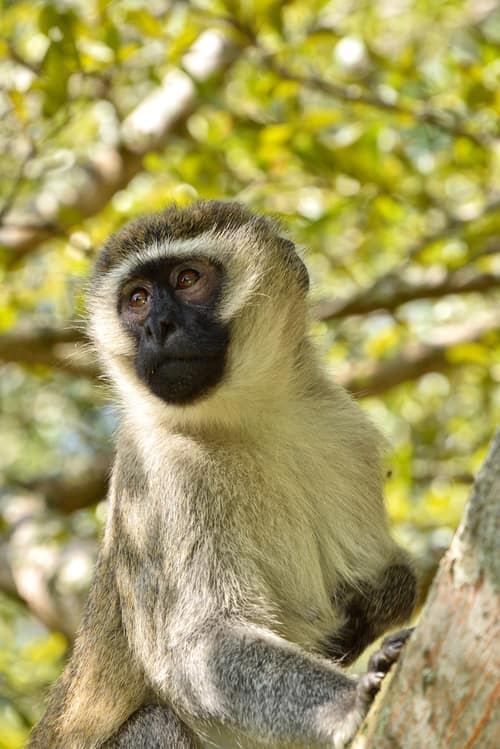
Sympatric Primate "Vervet Monkey, Uganda" by Rod Waddington is licensed under CC BY-SA 2.0. To view a copy of this license, visit https://creativecommons.org/licenses/by-sa/2.0/. · cc-by-sa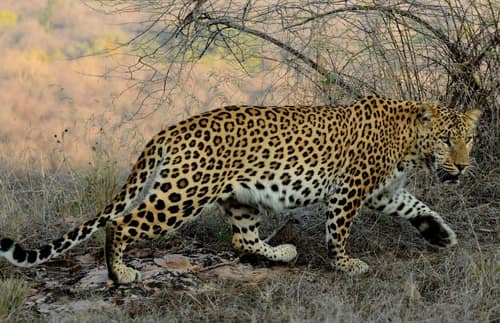
Predator (c) Raja bandi, some rights reserved (CC BY), uploaded by Raja bandi · cc-by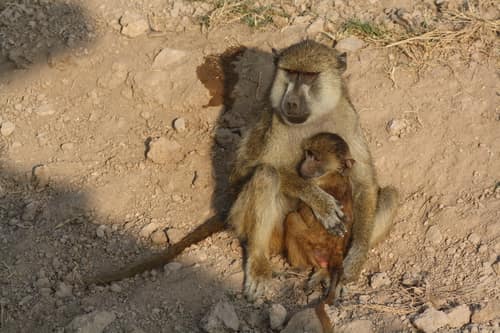
Close Relative (c) Paco Cardenas, some rights reserved (CC BY) · cc-by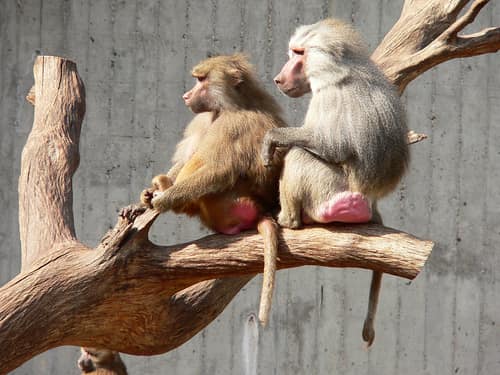
Close Relative Manuel González Olaechea y Franco / CC BY 3.0 · cc-by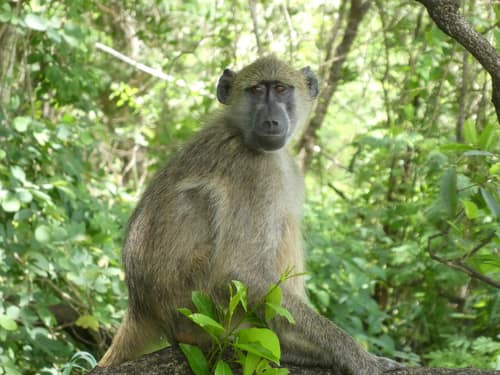
Close Relative (c) datadan, some rights reserved (CC BY), uploaded by datadan · cc-by
Keep collecting in Fauna
Found in Collections
Species set Pro
Emerald Kingdom
Olive Baboon is found in this collection. Identify it in Fauna to fill this slot and continue your progress.
Unlock to track progress
Help improve the field guideSomething wrong?
Checking your Fauna account…Report a name, category, or profile issue for review.