
Mammal
East African Oryx
Oryx beisaAlso known as Beisa Oryx, Beisa
East African oryx thrive in arid savannas and semi-deserts across the Horn of Africa, tolerating extreme heat by allowing their internal body temperature to rise past 46 degrees Celsius without suffering brain damage. Small mixed herds move constantly across vast landscapes, foraging during the cool hours of early morning and night to capture moisture condensed on desert grasses. Both sexes sport straight, needle-sharp horns that measure nearly a meter in length, formidable weapons capable of impaling attacking lions.
HerbivoreArid-AdaptedNomadic
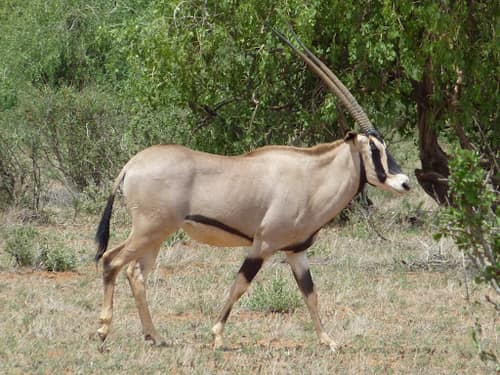
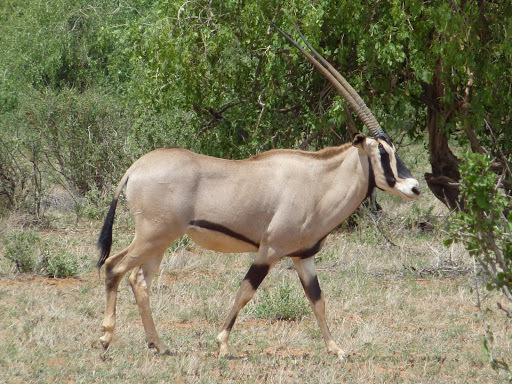
—observations
—countries
—peak records
EndangeredConservation statusIUCN Red List categoriesLCNTVUENCREWEXEndangeredRed List categories, explained →
Diet & preyGrasses, thorny shrubs, tubers, wild melons, and succulent roots
Predators
- Lion
- Spotted Hyena
- Leopard
ThreatsPoaching for bushmeat and horns, habitat degradation from livestock overgrazing, and severe droughts
HabitatsArid grasslands, thorny bushland, and semi-desert scrub
Life span15–20 years
Classification
- FamilyBovidae
- SpeciesOryx beisa
Range data is not available yet.
Interaction riskHigh
- Low
- Moderate
- High
- Very high
- Why interaction risk is high
- Large antelope equipped with lethal horns; keep a respectful distance and observe from safari vehicles.
- Why it is dangerous
- Large size and razor-sharp horns exceeding 75 cm in length can cause catastrophic or fatal puncture wounds if an individual charges when cornered.
- How to recognize a risky encounter
- Look for a robust fawn-colored body, bold black face mask markings, and long, perfectly straight horns.
- What to do
- Never approach on foot; maintain substantial distance and stay inside enclosed safari vehicles.
- What to notice
- Identified by prominent black facial banding, a dark flank stripe, and thin, parallel horns towering above the head.
- Support conservation
- Avoid off-road driving that disrupts feeding or drives herds away from sparse shade during mid-day heat.
Responsible observation
- Vehicle Etiquette: Remain inside your vehicle during game drives, as sudden movements can spook herds.
- Binocular Spotting: Scan dry wash margins at dawn when herds disperse to dig for moisture-rich tubers.
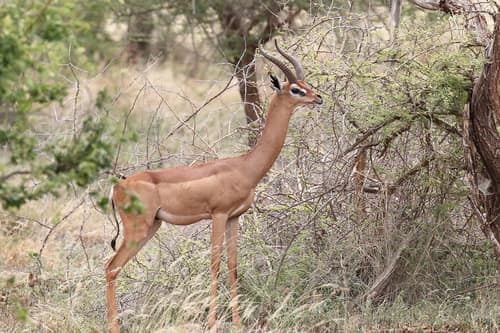
Neighbor (c) Fabrice Stoger, some rights reserved (CC BY-SA) · cc-by-sa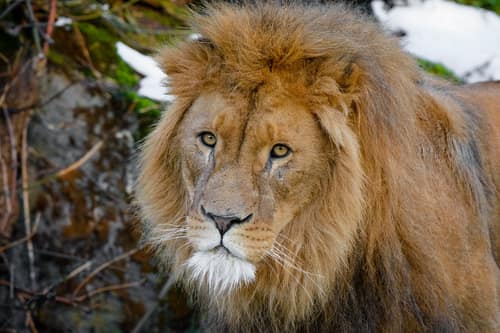
Predator "African Lion" by Mathias Appel is marked with CC0 1.0. To view the terms, visit https://creativecommons.org/publicdomain/zero/1.0/. · cc0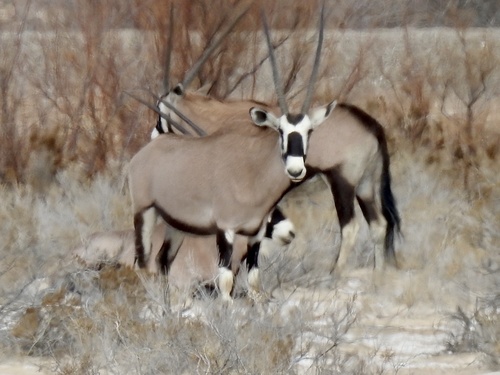
Close Relative (c) CK2AZ, some rights reserved (CC BY), uploaded by CK2AZ · cc-by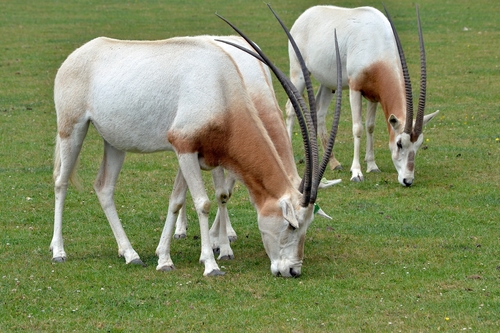
Close Relative (c) Chris K, some rights reserved (CC BY-SA) · cc-by-sa
Help improve the field guideSomething wrong?
Checking your Fauna account…Report a name, category, or profile issue for review.