
Mammal · GBIF taxon 5220165
Scimitar-horned Oryx
Oryx dammahAlso known as Scimitar Oryx, Sahara Oryx
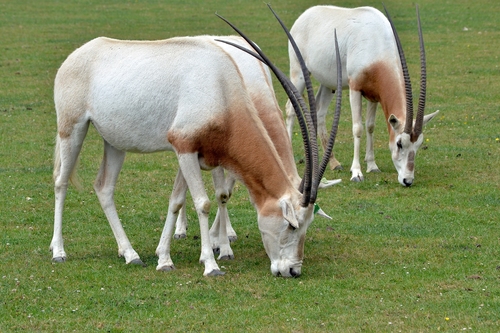
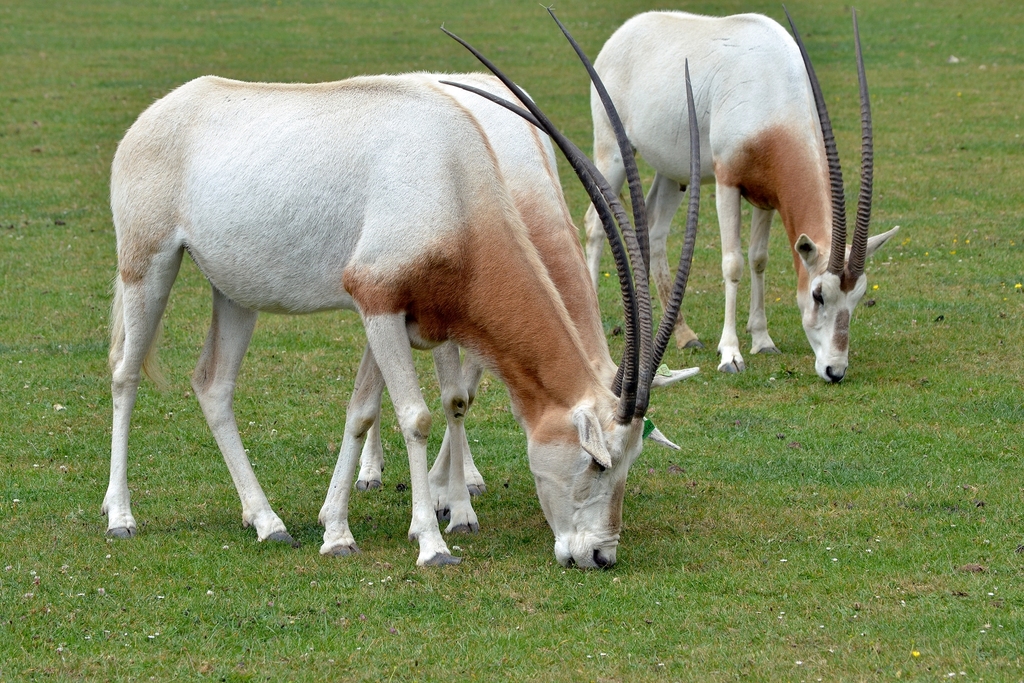
Striking white coats and long, swept-back horns give these desert antelope a majestic profile across the arid plains of Central Africa. Reintroduced to Chad after disappearing completely from the wild, herds navigate hyper-arid environments by absorbing moisture from succulent plants and adjusting their body temperature to minimize water loss. Nomadic groups move constantly in search of fresh shoots that sprout after sparse desert rains.
MammalDesertHerbivore
—observations
—countries
—peak records
EndangeredConservation statusIUCN Red List categoriesLCNTVUENCREWEXEndangeredRed List categories, explained →
Diet & prey
- Wild grasses
- Desert herbs
- Acacia foliage
Predators
- Lions
- Leopards
- Cheetahs
ThreatsHistorical overhunting, habitat loss, and climate extremes
HabitatsArid grasslands, semi-deserts, dunes, and brush steppe
Life span15–20 years in the wild
Size / weightNot available
Classification
- OrderArtiodactyla
- FamilyBovidae
- GenusOryx
- SpeciesOryx dammah
Range data is not available yet.
Interaction riskHigh
- Low
- Moderate
- High
- Very high
- Why interaction risk is high
- Large wild ungulate with long, sharp horns; maintain a safe distance and do not approach.
- Why it is dangerous
- Possesses heavy body mass and long, backward-curving horns capable of inflicting serious gore injuries if threatened.
- How to recognize a risky encounter
- Characterized by a brilliant white coat, pale reddish-brown chest, and sweeping, scimitar-shaped horns reaching over a meter.
- What to do
- Remain inside a tour vehicle or behind reserve barriers; never approach individuals or get between mothers and calves.
- What to notice
- Look for a white coat with a rust-brown chest and dramatic, curved horns sweeping backward over the shoulders.
- Support conservation
- Adhere strictly to reserve guidelines, keep noise levels low, and avoid disclosing exact tracking locations.
Responsible observation
- Observe from vehicles: Reintroduced herds are monitored in large reserves and best viewed from a distance.
- Watch herd behavior: Look for dominance displays where males lower their long, swept-back horns.
- Respect protected zones: Support regulated eco-tourism initiatives in Chad's Ouadi Rimé-Ouadi Achim Reserve.
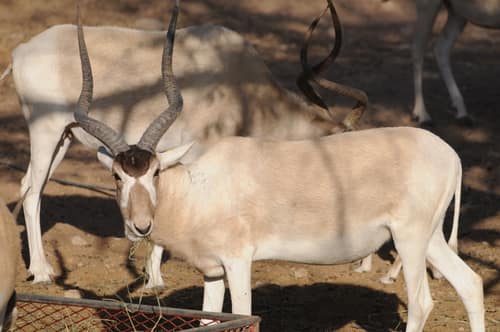
Desert Co-inhabitant (c) shankar s., some rights reserved (CC BY) · cc-by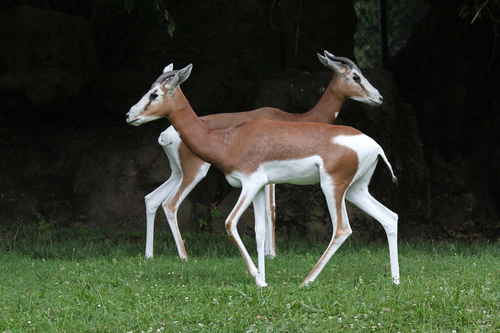
Desert Co-inhabitant (c) Jim, the Photographer, some rights reserved (CC BY) · cc-by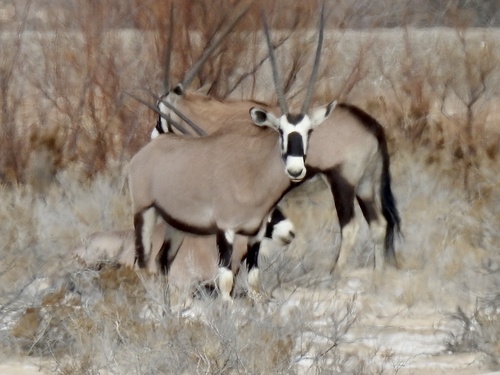
Close Relative (c) CK2AZ, some rights reserved (CC BY), uploaded by CK2AZ · cc-by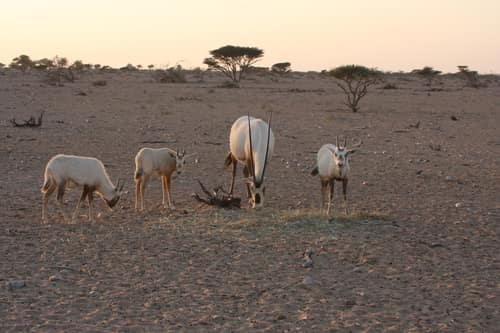
Close Relative (c) Christoph Moning, some rights reserved (CC BY) · cc-by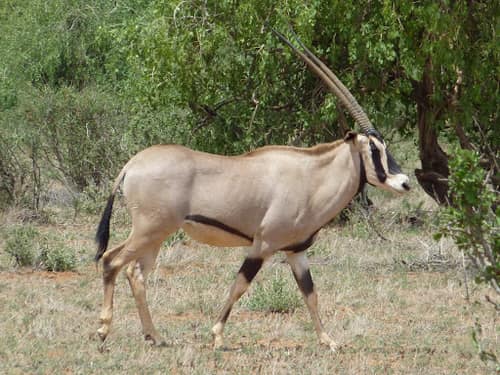
Close Relative (c) 116916927065934112165, some rights reserved (CC BY), uploaded by 116916927065934112165 · cc-by
Help improve the field guideSomething wrong?
Checking your Fauna account…Report a name, category, or profile issue for review.