
Fungus · GBIF taxon 5452301
Tamagotake Mushroom
Amanita caesareoidesAlso known as Asian Caesar's Mushroom
Emerging from a prominent white egg-like volva, Tamagotake displays a brilliant orange to scarlet cap with fine radial striations along its outer edge. As the fruiting body matures, its cap flattens into a broad disc supported by a yellow stem adorned with a delicate skirt-like ring. It forms vital mycorrhizal partnerships with broadleaf trees across temperate East Asian forests during warm, rainy summer and autumn months.
FungusVivid CapForest Floor
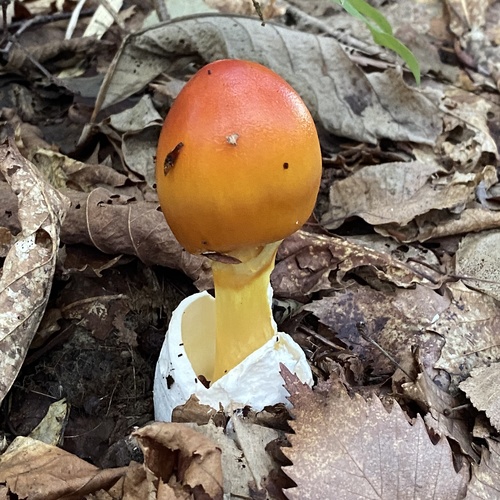
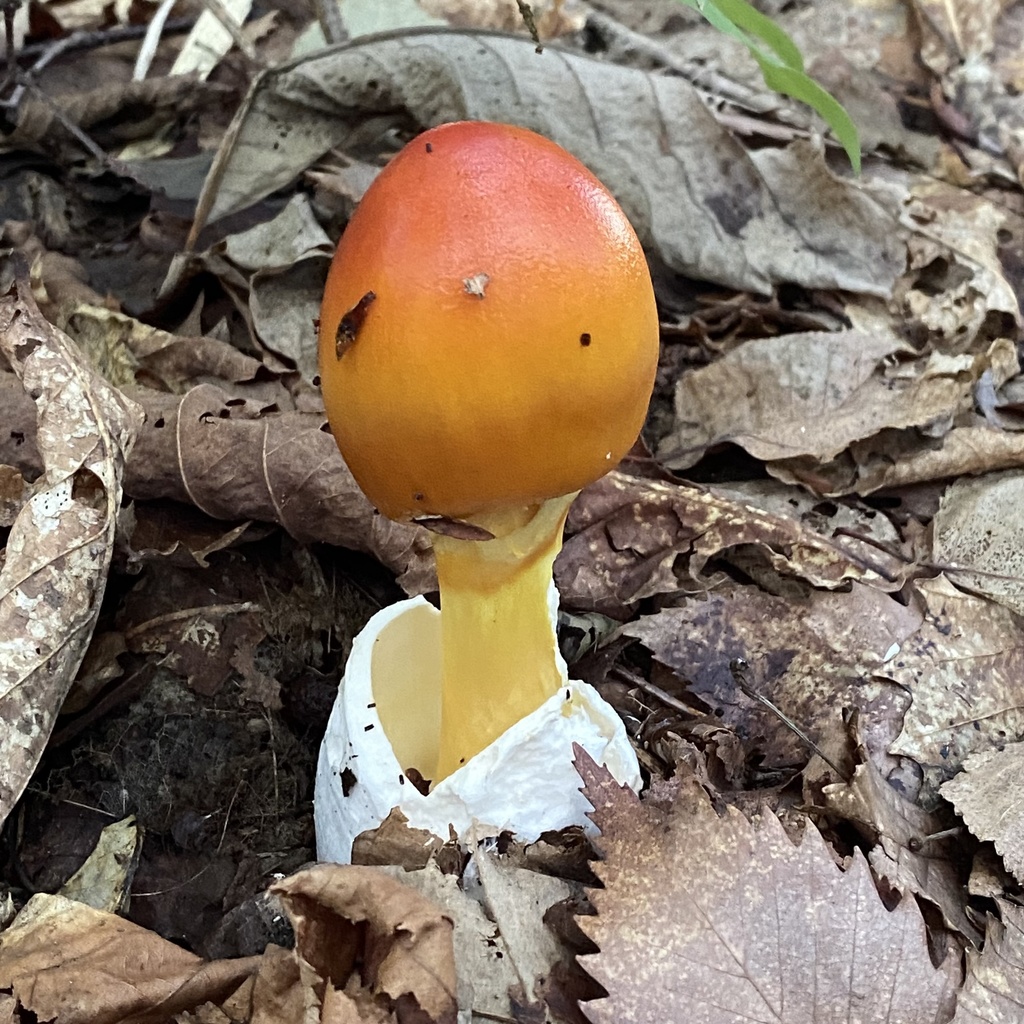
—observations
—countries
—peak records
Not EvaluatedConservation statusIUCN Red List categoriesLCNTVUENCREWEXNot Evaluated — not placed on the risk ladderRed List categories, explained →
Diet & prey
- Mycorrhizal (symbiotic with broadleaf trees)
Predators
- Slugs
- Fungus Gnats
- Forest Rodents
ThreatsHabitat loss and deforestation
HabitatsDeciduous and mixed temperate woodlands
Life spanFruiting body lasts 3–7 days; underground mycelium lives indefinitely
Size / weightNot available
Classification
- FamilyAmanitaceae
- SpeciesAmanita caesareoides
Range data is not available yet.
Interaction riskHigh
- Low
- Moderate
- High
- Very high
- Why interaction risk is high
- Many wild mushrooms have toxic look-alikes; never eat wild fungi based on app identification alone.
Responsible observation
- Observation: Examine the basal cup and cap margins without disturbing surrounding leaf litter.
- Photography: Capture the brilliant orange cap contrasting against the dark forest floor in early autumn.
- Identification: Note the distinct edge striations and bright yellow stem for field identification.
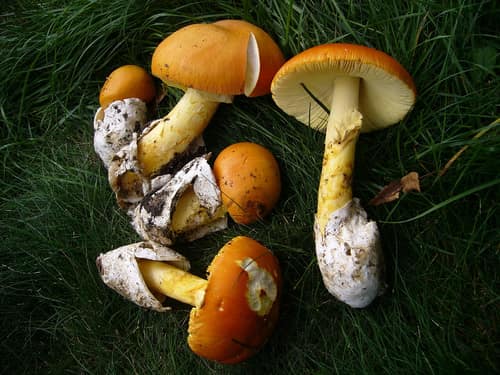
European Counterpart Yaqui / CC BY-SA 3.0 · cc-by-sa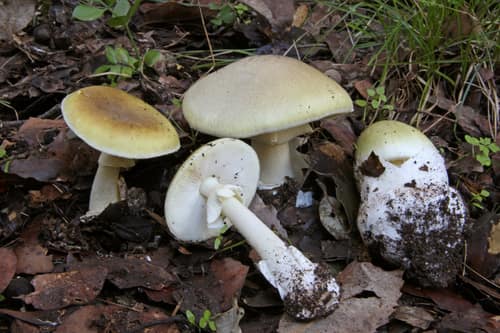
Lethal Look-Alike (c) Davide Puddu, some rights reserved (CC BY), uploaded by Davide Puddu · cc-by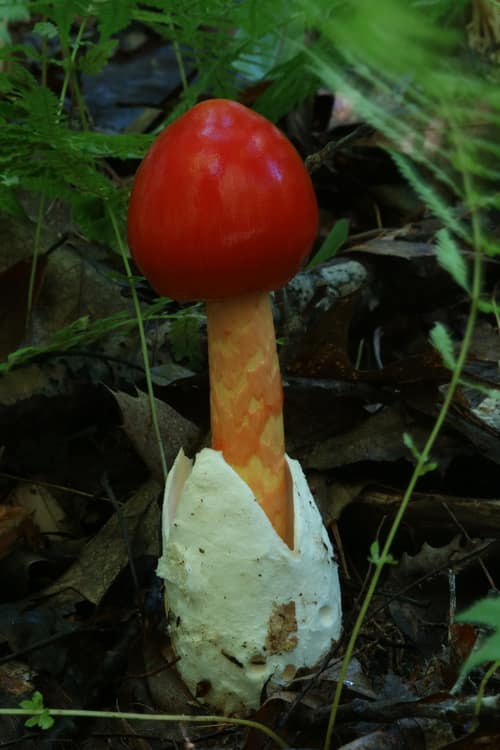
North American Relative no rights reserved, uploaded by Garrett Taylor · cc0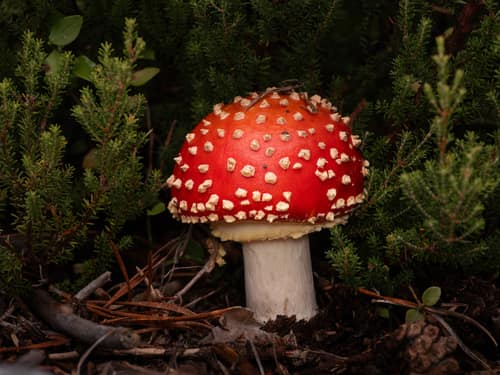
Genus Relative (c) Borja Fierro, some rights reserved (CC BY), uploaded by Borja Fierro · cc-by
Help improve the field guideSomething wrong?
Checking your Fauna account…Report a name, category, or profile issue for review.