
Fungus · GBIF taxon 5452051
Destroying Angel
Amanita bisporigeraAlso known as Eastern Destroying Angel, Eastern North American Destroying Angel
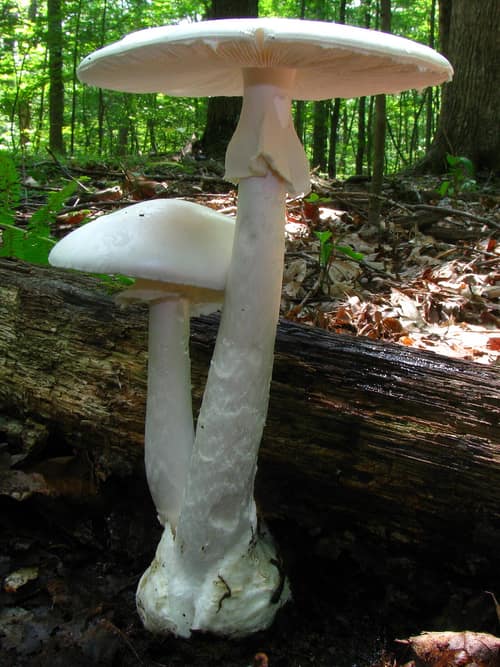
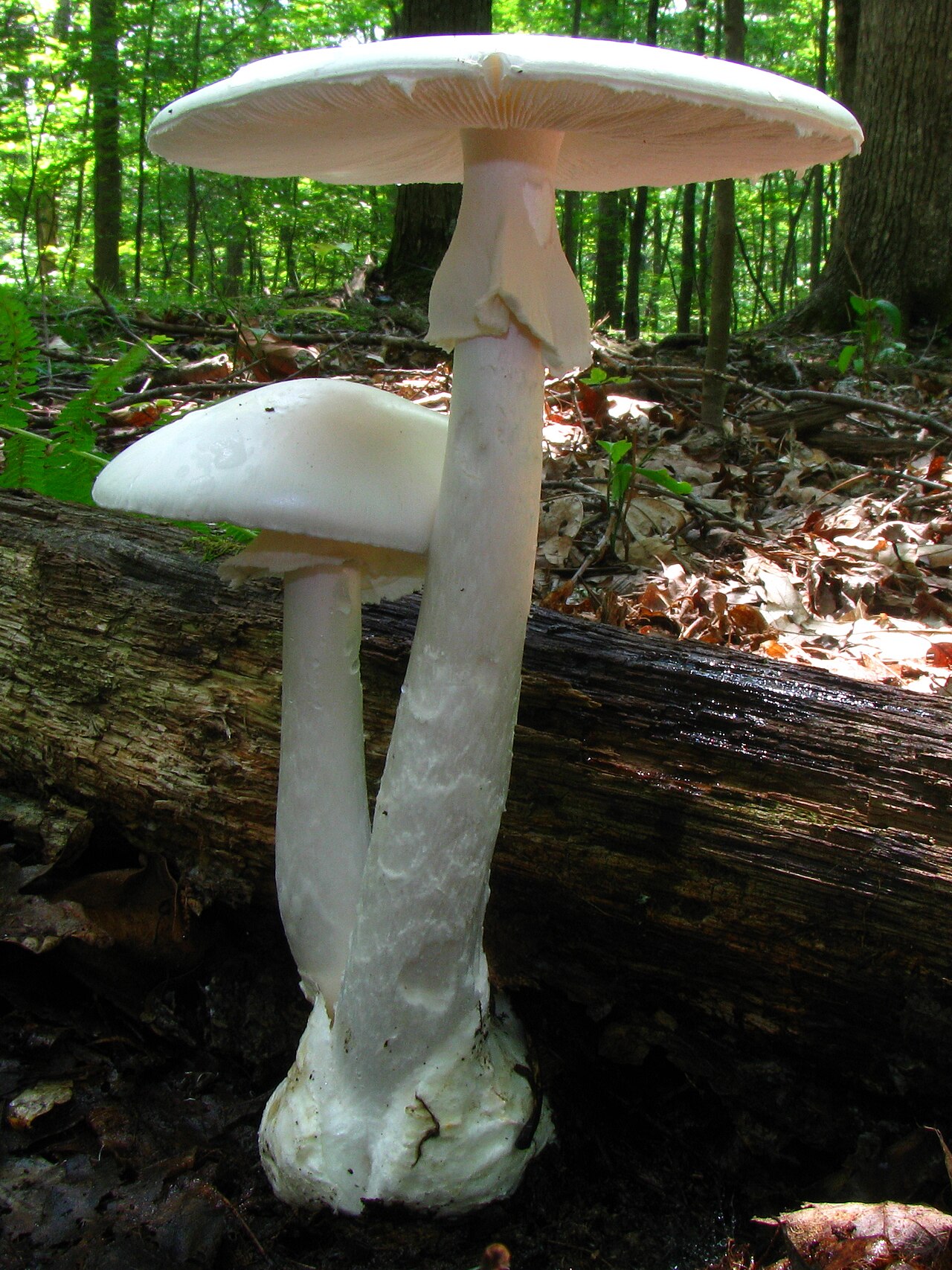
Eastern destroying angels emerge from forest soil in summer and autumn as smooth, pure white caps supported by tall, slender stems. Beneath the cap lies a delicate membranous skirt, while the base sits wrapped inside a cup-like volva tucked just under leaf litter. Partnering underground with hardwood roots, this species exchanges water and essential minerals with trees like oaks and hickories.
ToxicFungusForest Floor
—observations
—countries
—peak records
Least ConcernConservation statusIUCN Red List categoriesLCNTVUENCREWEXLeast ConcernRed List categories, explained →
Diet & prey
- Mycorrhizal (symbiotic nutrient exchange with tree roots)
Predators
- Slugs
- Fungus Gnats
- Nematodes
ThreatsDeforestation and soil compaction
HabitatsDeciduous and mixed forests, especially near oaks and hickories
Life spanFruiting body lasts several days; underground mycelium lives for years
Size / weightNot available
Classification
- OrderAgaricales
- FamilyAmanitaceae
- GenusAmanita
- SpeciesAmanita bisporigera
Range data is not available yet.
Interaction riskHigh
- Low
- Moderate
- High
- Very high
- Why interaction risk is high
- Lethally toxic if ingested; wild mushrooms have dangerous look-alikes, so never consume wild fungi.
- Why it is dangerous
- Contains lethal amatoxins that destroy liver and kidney cells, often causing fatal organ failure after delayed symptoms.
- How to recognize a risky encounter
- Look for an all-white mushroom with free white gills, a membranous ring on the stem, and a cup-like volva at the base.
- What to do
- Do not collect or touch without washing hands immediately after; strictly avoid harvesting white mushrooms for food.
Responsible observation
- Observation: Admire the pristine white caps and persistent skirt-like ring from above without disturbing the base.
- Identification: Examine the stem base for a cup-like volva hidden just under leaf litter.
- Safety Caution: Never ingest wild mushrooms or handle without thorough hand washing afterward.
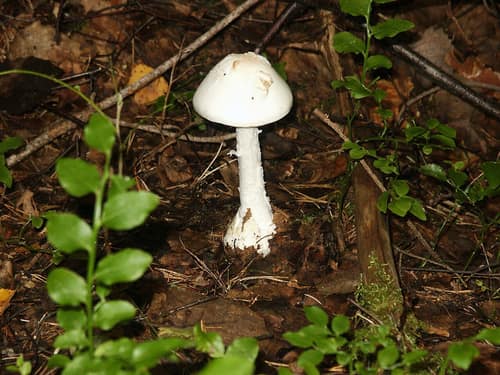
European Counterpart en:User:Ben DeRoy / Public domain · cc0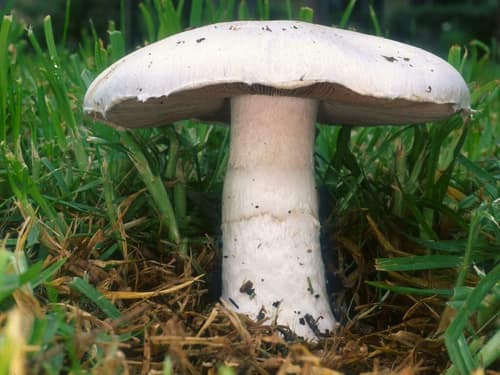
Dangerous Look-Alike (c) anonymous, some rights reserved (CC BY-SA) · cc-by-sa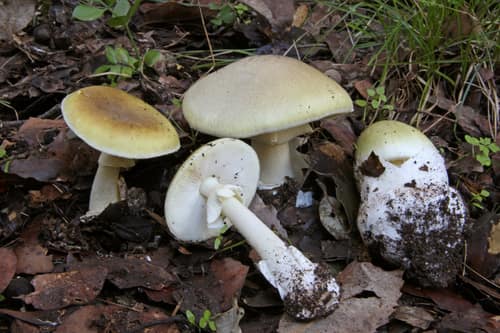
Deadly Relative (c) Davide Puddu, some rights reserved (CC BY), uploaded by Davide Puddu · cc-by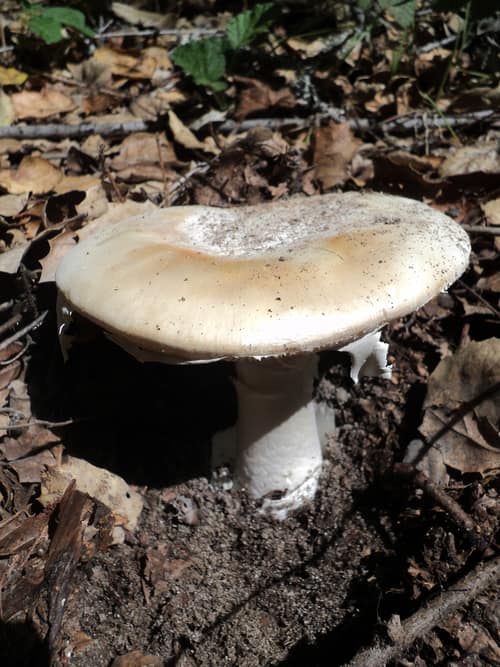
Pacific Relative (c) Thomas Laxton, some rights reserved (CC BY-SA), uploaded by Thomas Laxton · cc-by-sa
Keep collecting in Fauna
Found in Collections
Species set Pro
Fungi Forager
Destroying Angel is found in this collection. Identify it in Fauna to fill this slot and continue your progress.
Unlock to track progress
Help improve the field guideSomething wrong?
Checking your Fauna account…Report a name, category, or profile issue for review.