
Plant · GBIF taxon 5415571
Jaboticaba
Plinia caulifloraAlso known as Brazilian Grapetree, Jabuticaba, Guaperu
Jaboticaba displays a striking botanical phenomenon known as cauliflory, producing thousands of small, filamentous white blossoms directly along its trunk and major boughs. The smooth, papery bark peels away in irregular patches throughout the year, revealing a pale, mottled underbark reminiscent of a guava tree. In its native Atlantic forest ecosystems, the tree's unusual trunk-fruiting habit provides accessible nourishment to an array of canopy birds and climbing mammals that disperse its seeds.
CauliflorousTropicalEvergreen
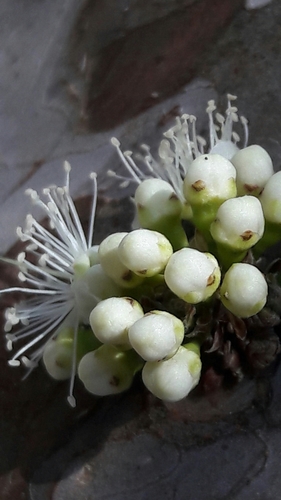
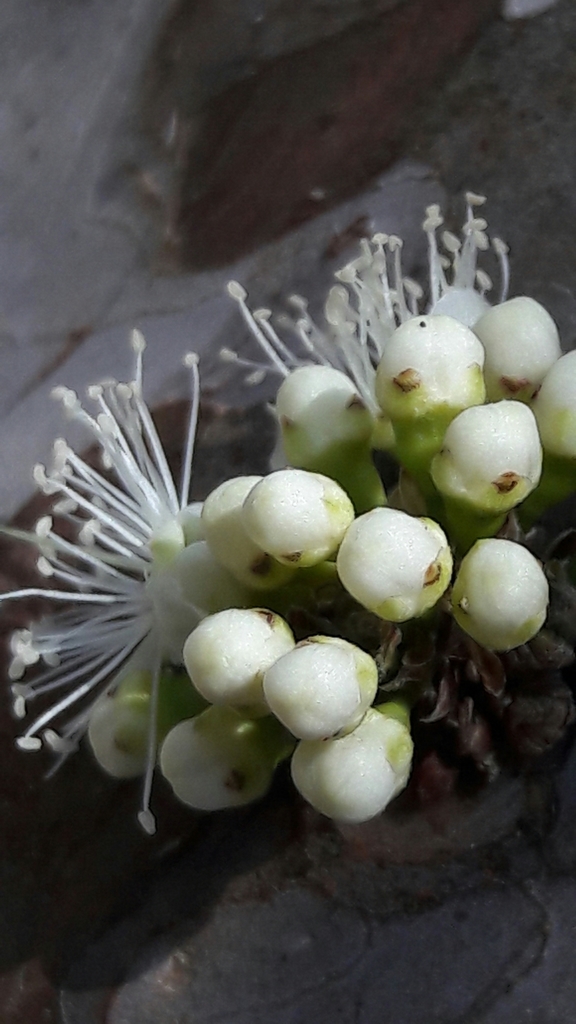
Licensed reference(c) Douglas, some rights reserved (CC BY), uploaded by Douglas · cc-by
—observations
—countries
—peak records
Least ConcernConservation statusIUCN Red List categoriesLCNTVUENCREWEXLeast ConcernRed List categories, explained →
Diet & prey
- Autotrophic (photosynthetic)
ThreatsDeforestation, habitat fragmentation, urbanization in native ranges
HabitatsSubtropical rainforests, gallery forests, cultivated orchards
Life span100–300 years
Classification
- OrderMyrtales
- FamilyMyrtaceae
- GenusPlinia
- SpeciesPlinia cauliflora
Range data is not available yet.
Interaction riskLow
- Low
- Moderate
- High
- Very high
- Why interaction risk is low
- Wild fruits have toxic look-alikes; never eat wild specimens based on app identification alone.
Responsible observation
- Trunk Inspection: Examine mature bark after rain to observe the emergence of direct-stem flower buds.
- Soil Care: Maintain acidic, moist, organic-rich soil to support slow root establishment in cultivated settings.
- Birdwatching: Monitor fruiting trunks in tropical groves to observe feeding tangaras and toucanets.
 Image unavailable
Look-alike Close Relative 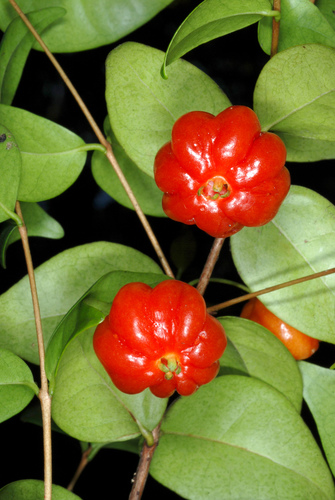
Same Family (c) Douglas Goldman, some rights reserved (CC BY-SA), uploaded by Douglas Goldman · cc-by-sa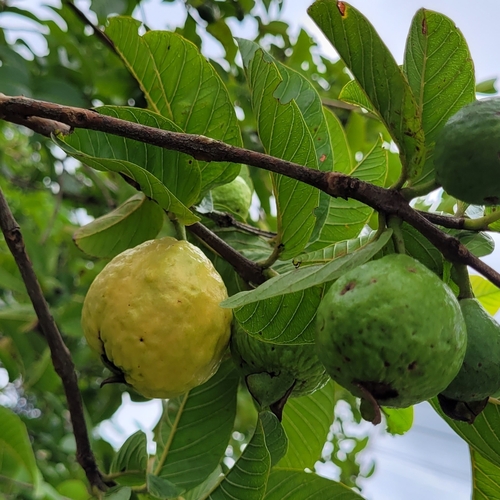
Same Family (c) Daniel Dias, some rights reserved (CC BY-SA), uploaded by Daniel Dias · cc-by-sa
Help improve the field guideSomething wrong?
Checking your Fauna account…Report a name, category, or profile issue for review.