
Plant
Surinam Cherry
Eugenia unifloraAlso known as Pitanga, Brazilian Cherry, Cayenne Cherry, Florida Cherry
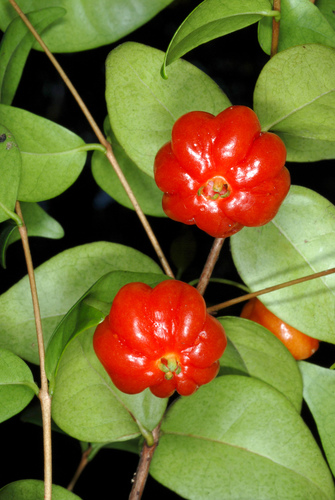
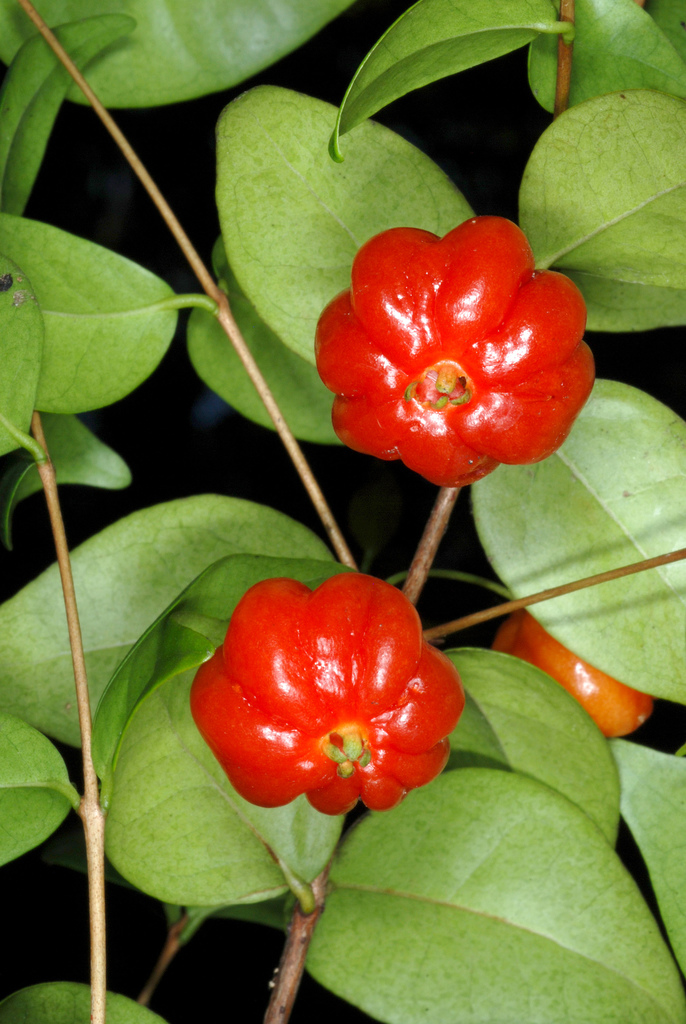
Surinam cherry forms dense evergreen thickets characterized by glossy, bronze-tinted young foliage that releases a resinous fragrance when crushed. Its distinctive pumpkin-shaped, deeply ribbed fruits transition from bright green to rich crimson and deep purple-black as they mature. While effective at stabilizing coastal soil in its native range, it spreads aggressively via animal-dispersed seeds in many warm regions worldwide.
Fruiting ShrubAromaticSubtropical
—observations
—countries
—peak records
Least ConcernConservation statusIUCN Red List categoriesLCNTVUENCREWEXLeast ConcernRed List categories, explained →
Diet & preyPhotosynthetic (sunlight, water, soil minerals)
Predators
- Cedar waxwing
- Northern mockingbird
- Fruit bats
ThreatsHabitat clearing in native river basins; targeted by eradication efforts where invasive
HabitatsCoastal scrub, riverbanks, forest borders, disturbed woodlands
Life span40–80 years
Classification
- OrderMyrtales
- FamilyMyrtaceae
- GenusEugenia
- SpeciesEugenia uniflora
Range data is not available yet.
Interaction riskLow
- Low
- Moderate
- High
- Very high
- Why interaction risk is low
- Wild berries have toxic look-alikes; never eat based on app identification alone.
Responsible observation
- Identification: Look for distinctive eight-ribbed fruits and copper-tinted emerging leaves.
- Invasive Check: Consult regional flora registries before introducing to non-native landscapes.
- Hedge Care: Shear lightly after flowering to preserve dense foliage and branching.
 Image unavailable
Close Relative 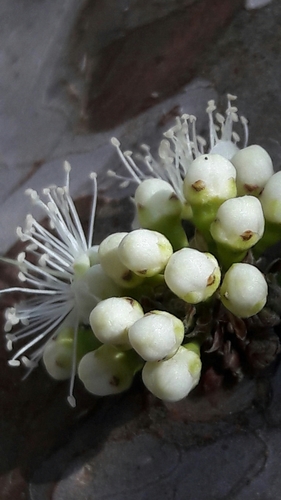
Same Family (c) Douglas, some rights reserved (CC BY), uploaded by Douglas · cc-by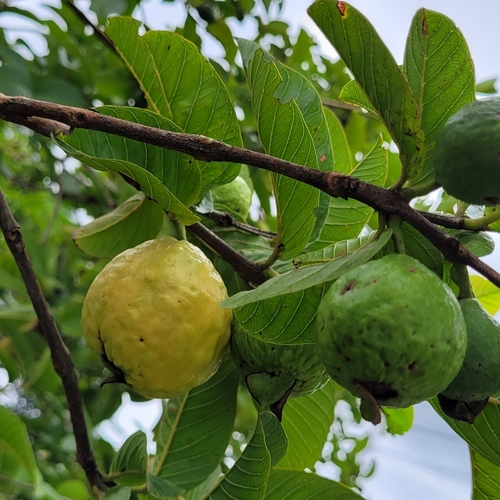
Same Family (c) Daniel Dias, some rights reserved (CC BY-SA), uploaded by Daniel Dias · cc-by-sa
Help improve the field guideSomething wrong?
Checking your Fauna account…Report a name, category, or profile issue for review.