
Plant
Common Guava
Psidium guajavaAlso known as Yellow Guava, Lemon Guava, Apple Guava
Common guava is an evergreen shrub or small tree recognized by its smooth, copper-brown bark that peels away to expose green inner layer underneath. White five-petaled flowers feature dense clusters of prominent stamens, giving way to rounded yellow-green fruits that attract birds and bats for seed dispersal. Widely naturalized across tropical regions, it thrives in disturbed soils, riverbanks, and open scrublands.
EvergreenTropicalFruiting
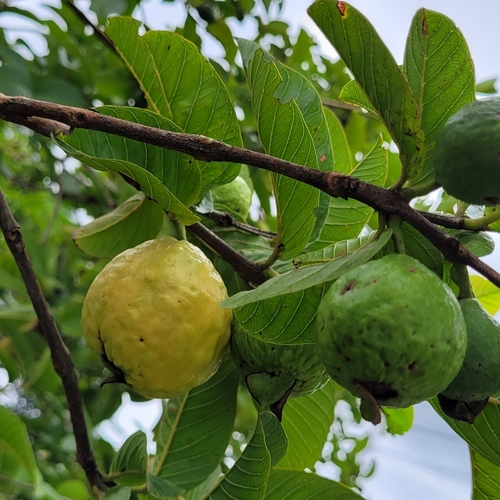
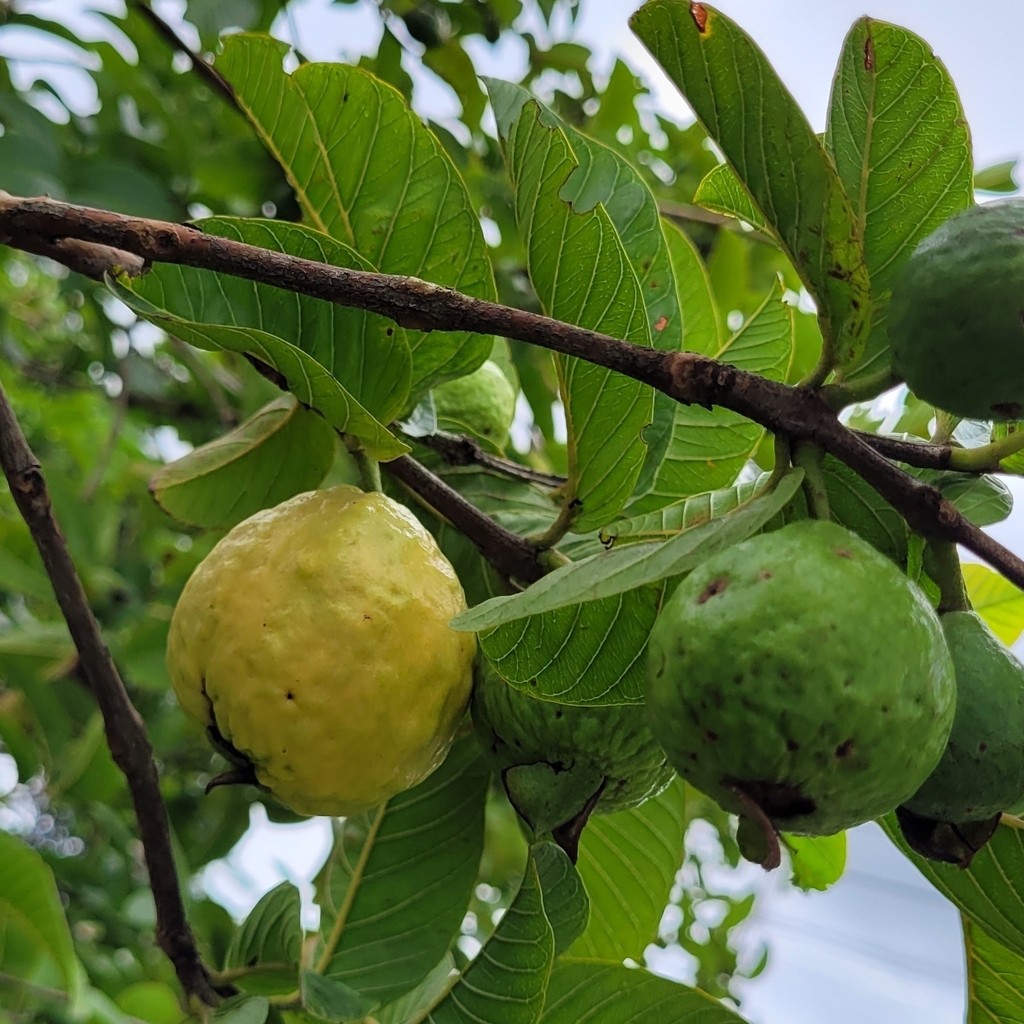
—observations
—countries
—peak records
Least ConcernConservation statusIUCN Red List categoriesLCNTVUENCREWEXLeast ConcernRed List categories, explained →
Diet & preyAutotrophic (Photosynthesis)
Predators
- Fruit bats
- Tropical birds
- Wild pigs
ThreatsHabitat clearing in native range; invasive pressure in some island ecosystems
HabitatsTropical forests, savannas, disturbed soils, riverbanks
Life span30–50 years
Classification
- OrderMyrtales
- FamilyMyrtaceae
- GenusPsidium
- SpeciesPsidium guajava
Range data is not available yet.
Interaction riskLow
- Low
- Moderate
- High
- Very high
- Why interaction risk is low
- Wild fruits have toxic look-alikes; never eat wild fruit based on app identification alone.
Responsible observation
- Bark Identification: Look for smooth, copper-brown trunk bark peeling off in thin sheets.
- Flower Spotting: Check branch tips for white blossoms bursting with dozens of fine stamens.
- Wildlife Viewing: Observe fruiting trees at dawn or dusk to spot feeding birds and mammals.
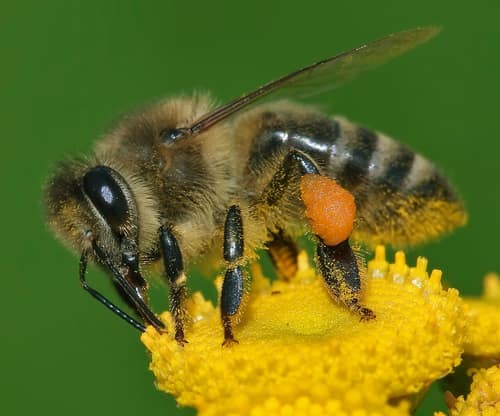
Pollinator Andreas Trepte / CC BY-SA 2.5 · cc-by-sa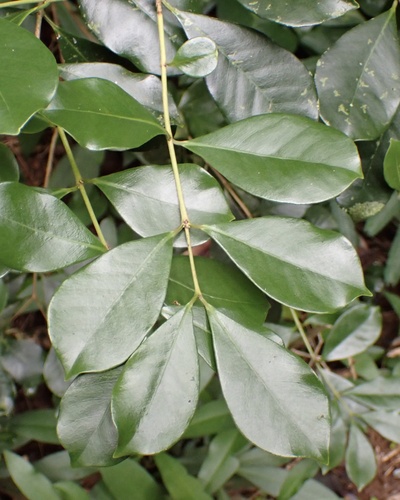
Close Relative (c) Thomas Irvine, some rights reserved (CC BY), uploaded by Thomas Irvine · cc-by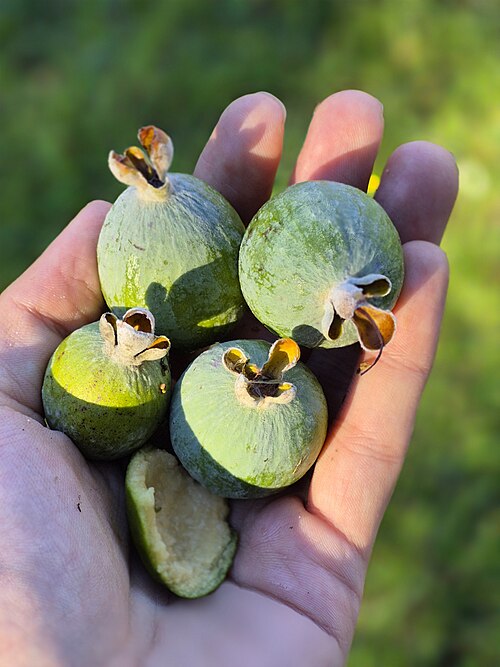
Family Member Gabriel Collares / CC BY 4.0 · cc-by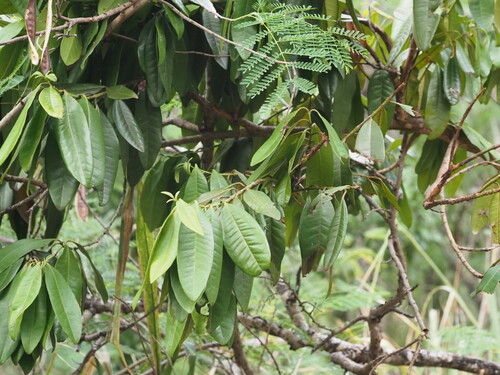
Family Member (c) Kevin Faccenda, some rights reserved (CC BY) · cc-by
Help improve the field guideSomething wrong?
Checking your Fauna account…Report a name, category, or profile issue for review.