
Plant · GBIF taxon 5372917
Interior Sandbar Willow
Salix interiorAlso known as Sandbar Willow, Narrowleaf Willow, Coyote Willow, Longleaf Willow
Interior sandbar willows colonize freshly exposed sandbars and riverbanks by spreading rapidly through vigorous underground root suckers, often creating dense thickets that stabilize shifting river channels. Their slender, silvery-green leaves are adapted to withstand fierce seasonal floods, bending smoothly underwater without breaking. These thickets provide critical nesting cover and browse for riparian wildlife across North American floodplains.
RiparianDeciduousPioneer
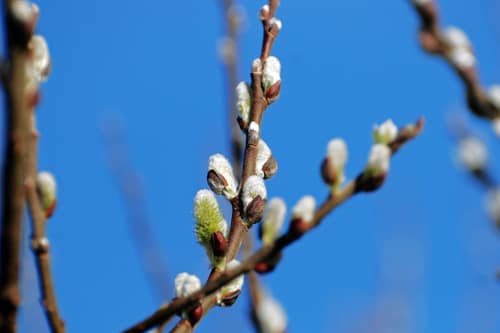
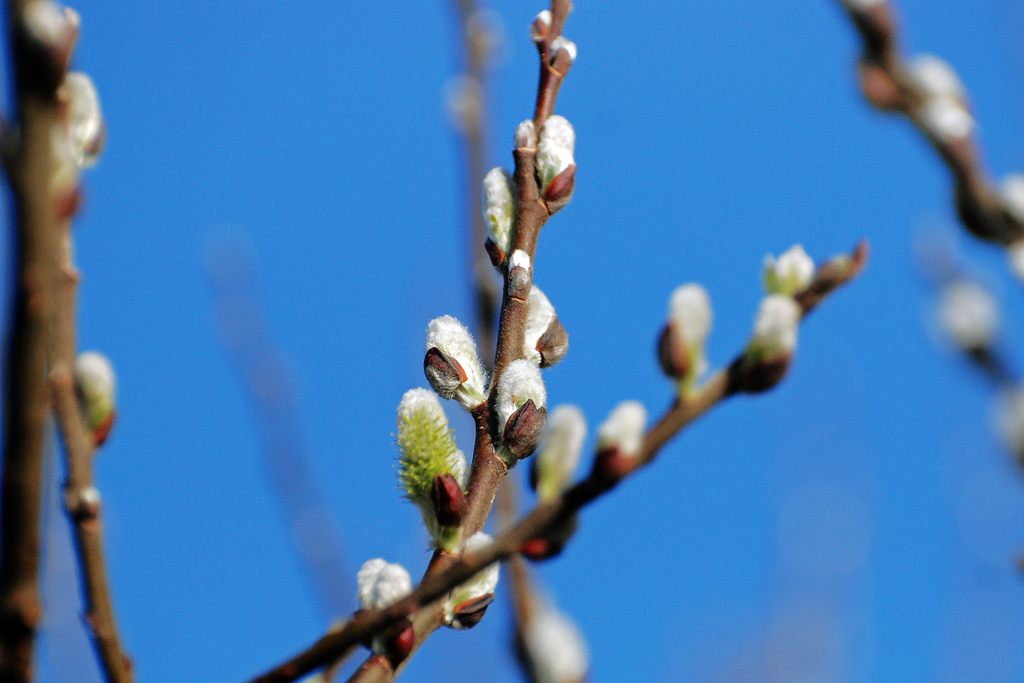
—observations
—countries
—peak records
Least ConcernConservation statusIUCN Red List categoriesLCNTVUENCREWEXLeast ConcernRed List categories, explained →
Diet & prey
- Photoautotrophic
Predators
- North American Beaver
- White-tailed Deer
- Moose
ThreatsDams altering river flow dynamics, invasive species competition, and drainage of wetlands
HabitatsRiver sandbars, stream banks, lake shores, wetlands, and damp ditches
Life span20–50 years
Size / weightNot available
Classification
- OrderMalpighiales
- FamilySalicaceae
- GenusSalix
- SpeciesSalix interior
Range data is not available yet.
Interaction riskLow
- Low
- Moderate
- High
- Very high
- Why interaction risk is low
- Safe to observe at a normal distance.
Responsible observation
- Leaf Inspection: Look closely at the extremely narrow, linear leaves featuring widely spaced marginal teeth.
- Spring Bloom: Examine catkins in early spring when emerging bees forage heavily on willow nectar and pollen.
- Bank Stabilization: Notice how dense runner thickets lock sandy soil firmly against erosion during high water.
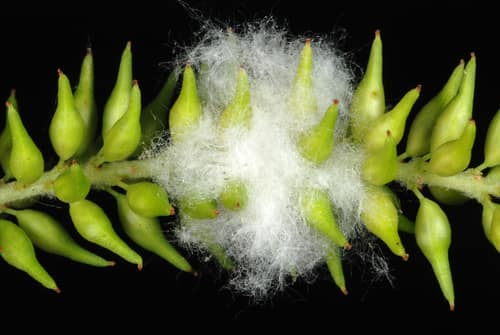
Same Genus (c) Douglas Goldman, some rights reserved (CC BY-SA), uploaded by Douglas Goldman · cc-by-sa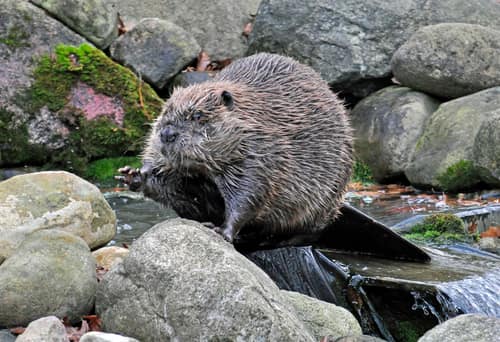
Predator (c) Rodney Campbell, some rights reserved (CC BY) · cc-by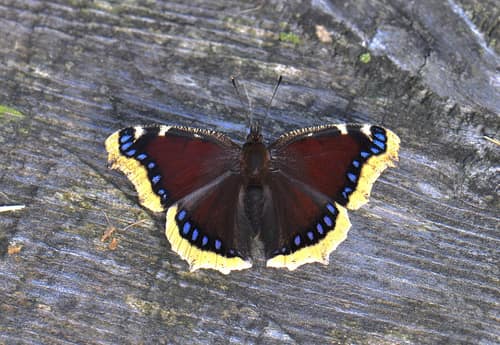
Host Plant Pavel Kirillov from St.Petersburg, Russia / CC BY-SA 2.0 · cc-by-sa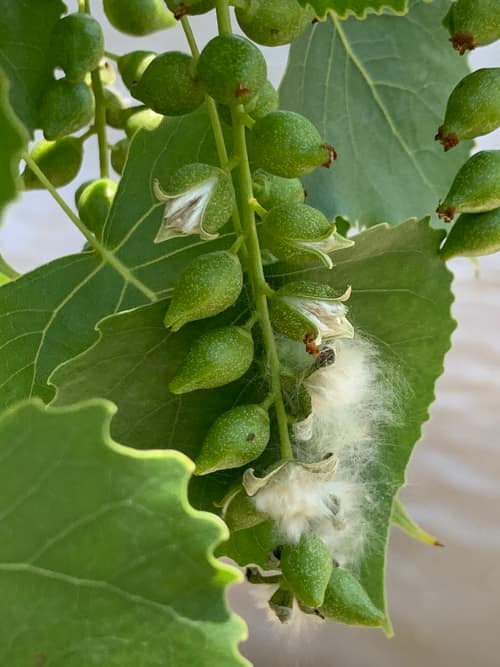
Neighbor (c) Sandy Wolkenberg, some rights reserved (CC BY), uploaded by Sandy Wolkenberg · cc-by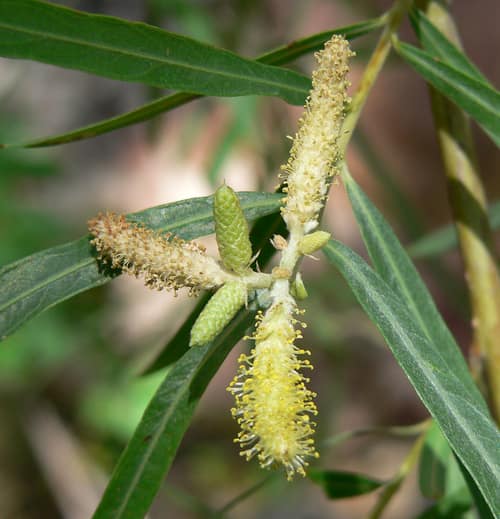
Close Relative (c) Stan Shebs, some rights reserved (CC BY-SA) · cc-by-sa
Help improve the field guideSomething wrong?
Checking your Fauna account…Report a name, category, or profile issue for review.