
Plant · GBIF taxon 5372614
Heart-leaved Willow
Salix eriocephalaAlso known as Missouri River Willow, Heartleaf Willow
Heart-leaved willows form dense thickets along stream banks and lake margins, playing an essential role in stabilizing moist soil and preventing erosion during seasonal floods. They produce separate male and female catkins in early spring before the foliage unfolds, offering a vital early-season pollen and nectar supply for emerging native bees. Young reddish-brown shoots and woolly bud scales distinguish these resilient wetland shrubs throughout the northern and central reaches of North America.
RiparianDeciduousWetland
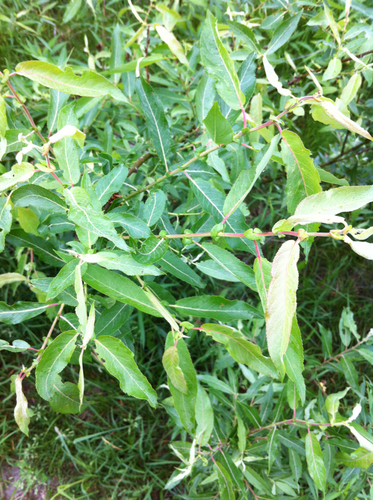
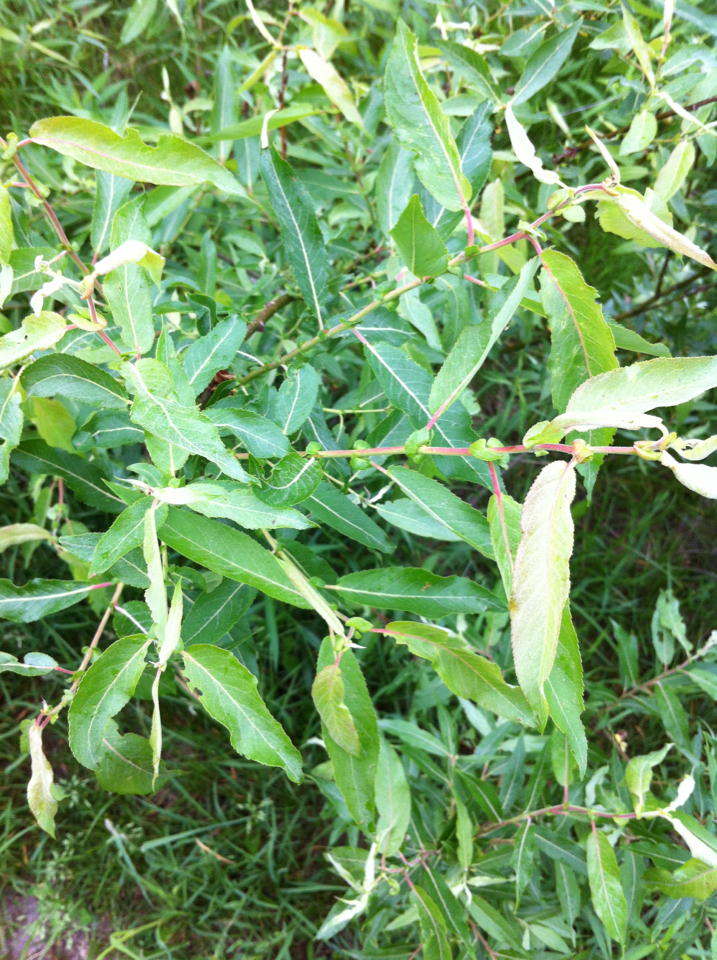
—observations
—countries
—peak records
Least ConcernConservation statusIUCN Red List categoriesLCNTVUENCREWEXLeast ConcernRed List categories, explained →
Diet & prey
- Photoautotrophic (sunlight, water, atmospheric carbon dioxide, and soil minerals)
Predators
- White-tailed Deer
- American Beaver
- Willow Leaf Beetle
ThreatsWetland drainage, waterway channeling, and competition from invasive plants
HabitatsRiverbanks, stream margins, wet meadows, marshes, and sandbars
Life span20–40 years
Size / weightNot available
Classification
- OrderMalpighiales
- FamilySalicaceae
- GenusSalix
- SpeciesSalix eriocephala
Range data is not available yet.
Interaction riskLow
- Low
- Moderate
- High
- Very high
- Why interaction risk is low
- Safe to observe at a normal distance.
Responsible observation
- Seasonal Timing: Look for fuzzy blooming catkins in early to mid-spring before foliage emerges.
- Habitat Clues: Search along sandy water margins and river bends where full sunlight is abundant.
- Leaf Inspection: Check mature foliage for heart-shaped or rounded bases and finely serrated margins.
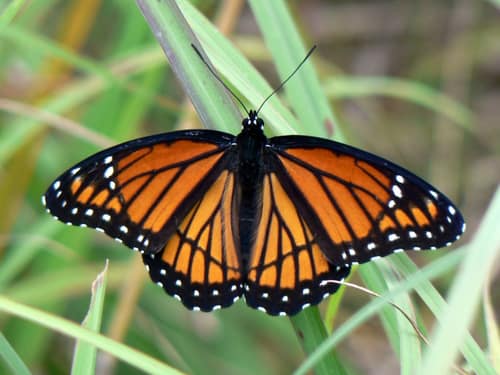
Herbivore (c) Benny Mazur, some rights reserved (CC BY) · cc-by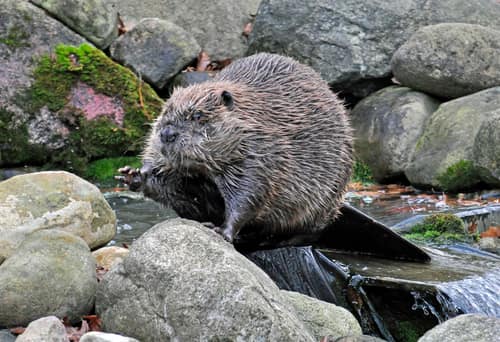
Herbivore (c) Rodney Campbell, some rights reserved (CC BY) · cc-by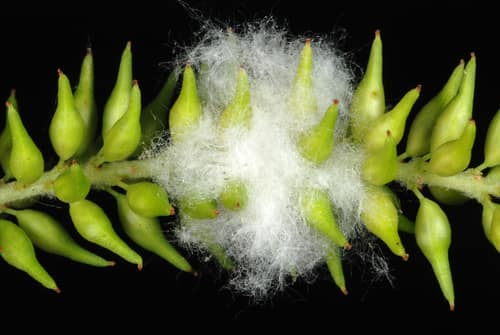
Close Relative (c) Douglas Goldman, some rights reserved (CC BY-SA), uploaded by Douglas Goldman · cc-by-sa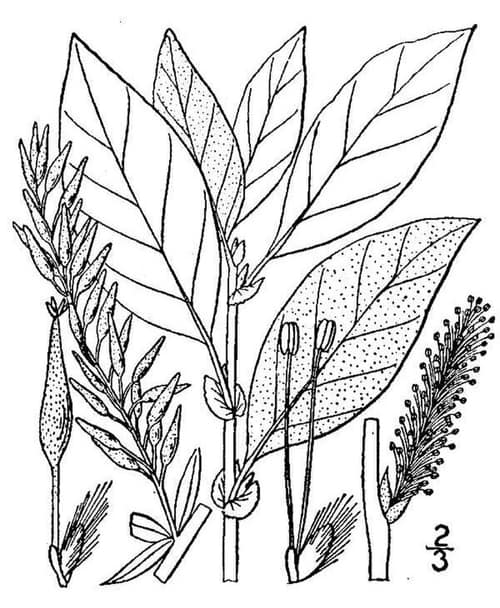
Close Relative Wikimedia Commons / Public domain · cc0
Help improve the field guideSomething wrong?
Checking your Fauna account…Report a name, category, or profile issue for review.