
Plant · GBIF taxon 5361871
Cedar Elm
Ulmus crassifoliaAlso known as Texas Cedar Elm, Southern Rock Elm, Basket Elm, Olmo
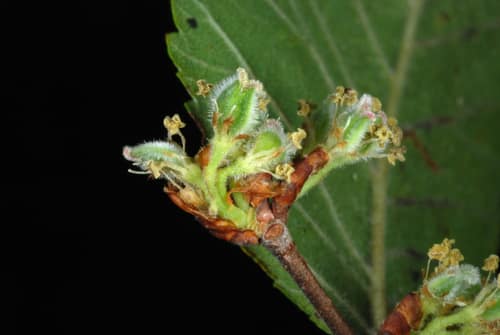
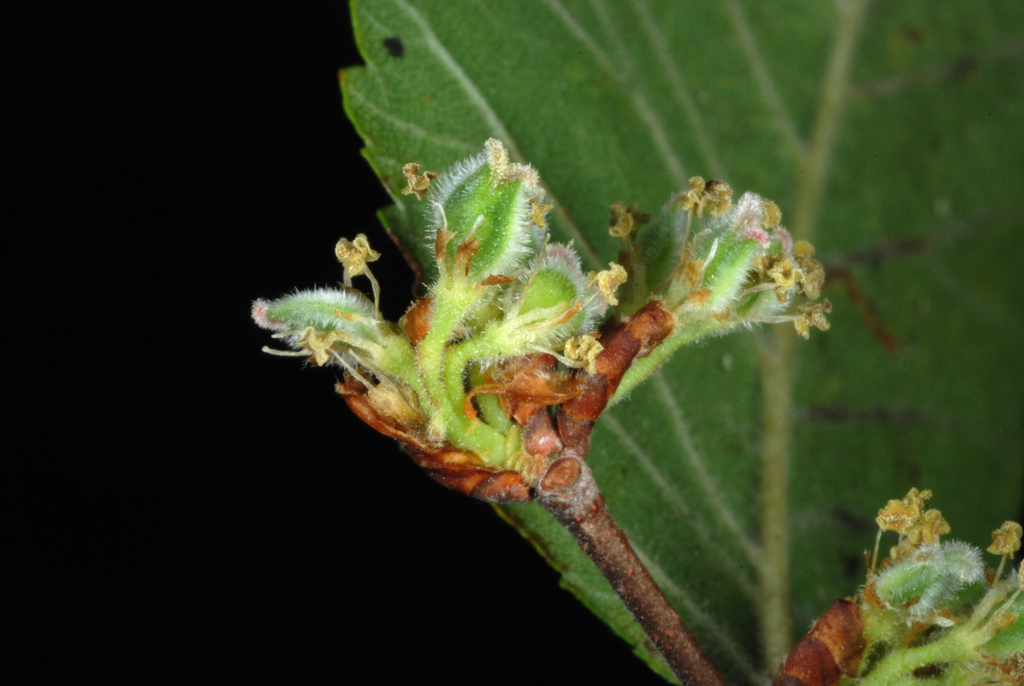
Cedar elms dominate river valleys and limestone ridges across Texas and neighboring states, earning renown as exceptionally hardy shade trees. Unlike most North American elms that bloom in early spring, this species flowers and disperses winged seeds in late summer and autumn. Twigs frequently develop corky, wing-like ridges that complement its stiff, sandpaper-textured foliage.
DeciduousDrought-TolerantAutumn-Flowering
 1 / 7
1 / 7—observations
—countries
—peak records
Least ConcernConservation statusIUCN Red List categoriesLCNTVUENCREWEXLeast ConcernRed List categories, explained →
Diet & prey
- Photosynthesis (autotroph)
Predators
- Elm leaf beetle
- White-tailed deer
- Mistletoe
ThreatsDutch elm disease, elm leaf beetle defoliation, and urban development
HabitatsRiver bottoms, limestone bluffs, flatwoods, and prairie margins
Life span100–150 years
Size / weightNot available
Classification
- OrderRosales
- FamilyUlmaceae
- GenusUlmus
- SpeciesUlmus crassifolia
Range data is not available yet.
Interaction riskLow
- Low
- Moderate
- High
- Very high
- Why interaction risk is low
- Safe to observe at a normal distance.
Responsible observation
- Foliage Inspection: Rub the upper leaf surface gently to feel the stiff, sandpaper-like texture that distinguishes it from other native elms.
- Seasonal Timing: Look for delicate green-and-red flowers blooming in late August through October when most other trees have finished fruiting.
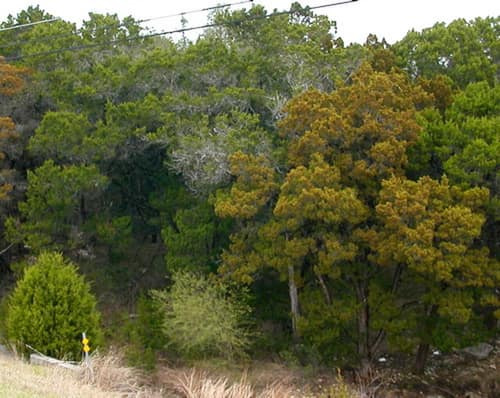
Frequent Companion Ddal at English Wikipedia / CC BY-SA 3.0 · cc-by-sa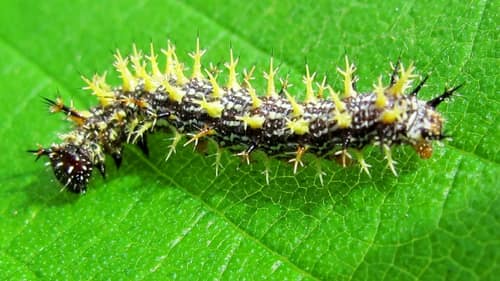
Host Plant (c) Ilona, some rights reserved (CC BY-SA), uploaded by Ilona · cc-by-sa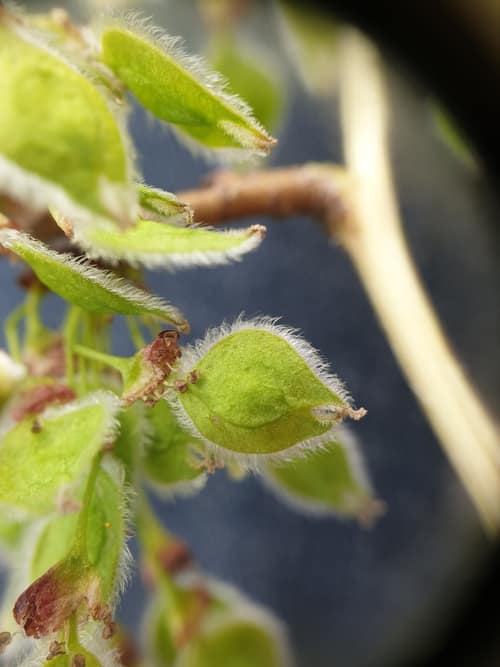
Close Relative no rights reserved, uploaded by Étienne Lacroix-Carignan · cc0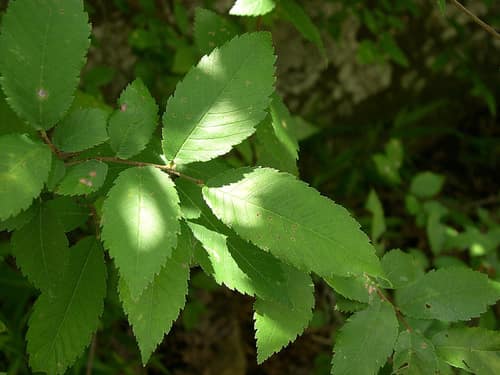
Close Relative (c) Jason Sturner, some rights reserved (CC BY) · cc-by
Help improve the field guideSomething wrong?
Checking your Fauna account…Report a name, category, or profile issue for review.