
Plant
Winged Elm
Ulmus alataAlso known as Wahoo, Cork Elm, Southern Rock Elm
Winged elms earn their name from the striking, thin corky ridges that run lengthwise along opposite sides of young branches and twigs. These resilient trees produce reddish-green flowers in late winter before their leaves emerge, quickly yielding papery samaras dispersed across the landscape by early spring breezes. While susceptible to Dutch elm disease, many individuals survive in dry uplands and abandoned pastures where poor soil prevents competition from larger canopy hardwoods.
DeciduousHardwoodNative
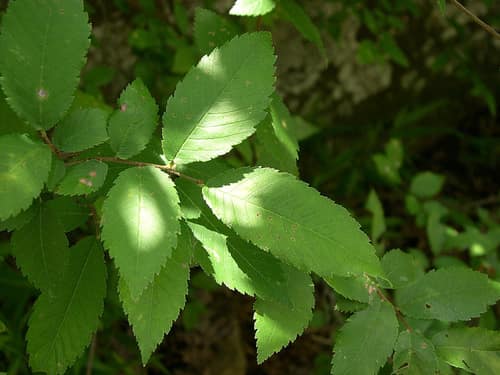
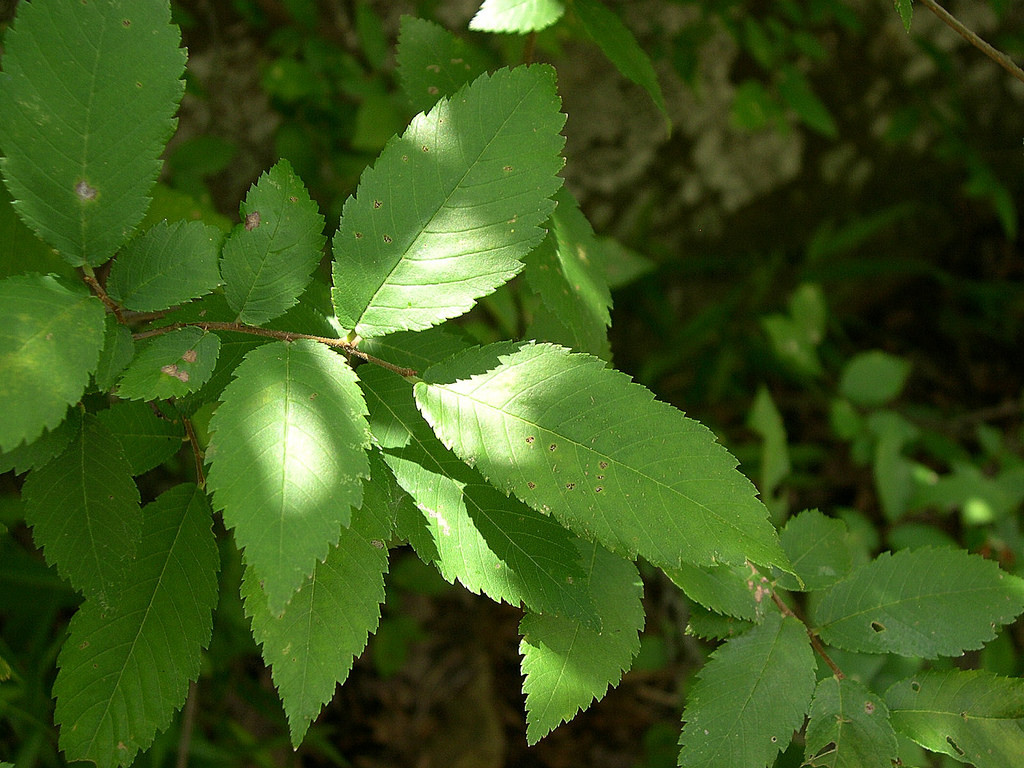
—observations
—countries
—peak records
Least ConcernConservation statusIUCN Red List categoriesLCNTVUENCREWEXLeast ConcernRed List categories, explained →
Diet & preyPhotoautotrophic (sunlight, water, and soil minerals)
Predators
- Elm Leaf Beetle
- White-tailed Deer
- Spiny Elm Caterpillar
ThreatsDutch elm disease, elm phloem necrosis, and woody pasture competition
HabitatsDry rocky uplands, open woods, old pastures, fence rows, and floodplain margins
Life span100–150 years
Classification
- OrderRosales
- FamilyUlmaceae
- GenusUlmus
- SpeciesUlmus alata
Range data is not available yet.
Interaction riskLow
- Low
- Moderate
- High
- Very high
- Why interaction risk is low
- Safe to observe at a normal distance.
Responsible observation
- Identification: Check young branchlets for pairs of distinctive, thin corky ridges projecting outward along opposite sides.
- Seasonal Timing: Look for dangling greenish-red flowers and small fuzzy seeds in late winter and early spring before leaves unfold.
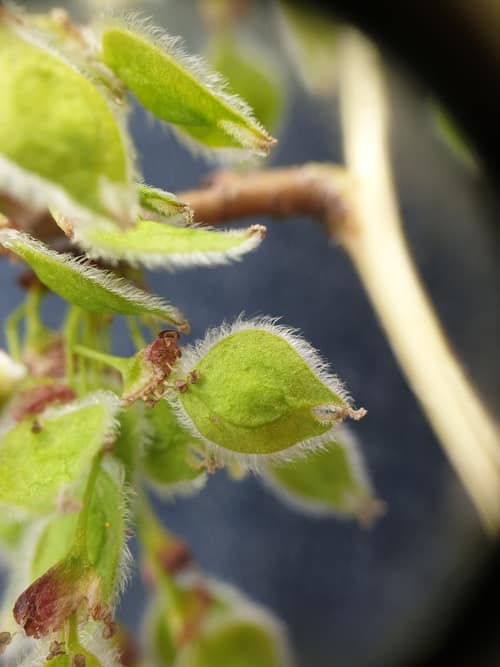
Close Relative no rights reserved, uploaded by Étienne Lacroix-Carignan · cc0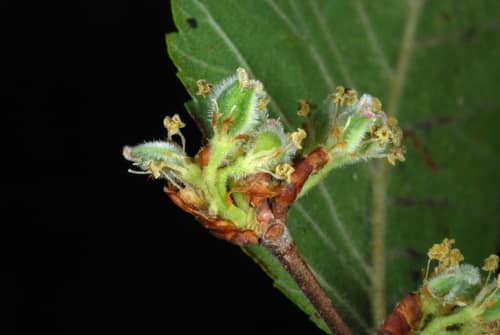
Close Relative (c) Douglas Goldman, some rights reserved (CC BY-SA), uploaded by Douglas Goldman · cc-by-sa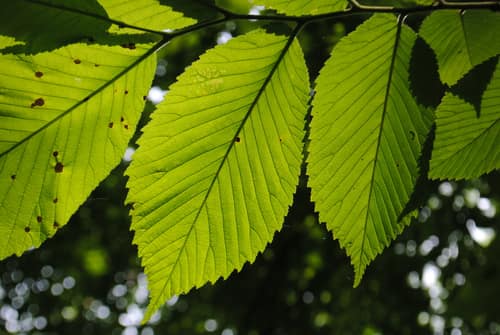
Close Relative (c) Zihao Wang, some rights reserved (CC BY), uploaded by Zihao Wang · cc-by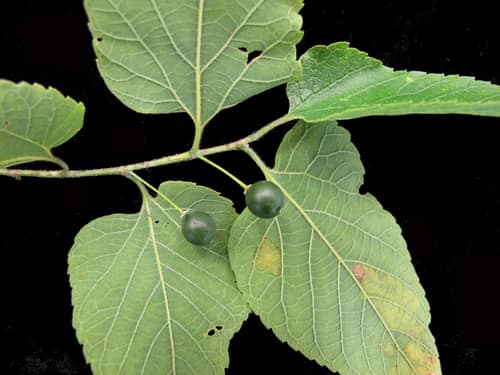
Same Family (c) Ayotte, Gilles, 1948-, some rights reserved (CC BY-SA) · cc-by-sa
Help improve the field guideSomething wrong?
Checking your Fauna account…Report a name, category, or profile issue for review.