
Plant
Ashe Juniper
Juniperus asheiAlso known as Post Cedar, Mountain Cedar, Rock Cedar, Texas Cedar
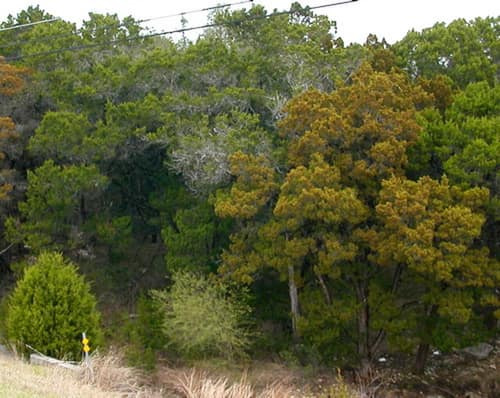
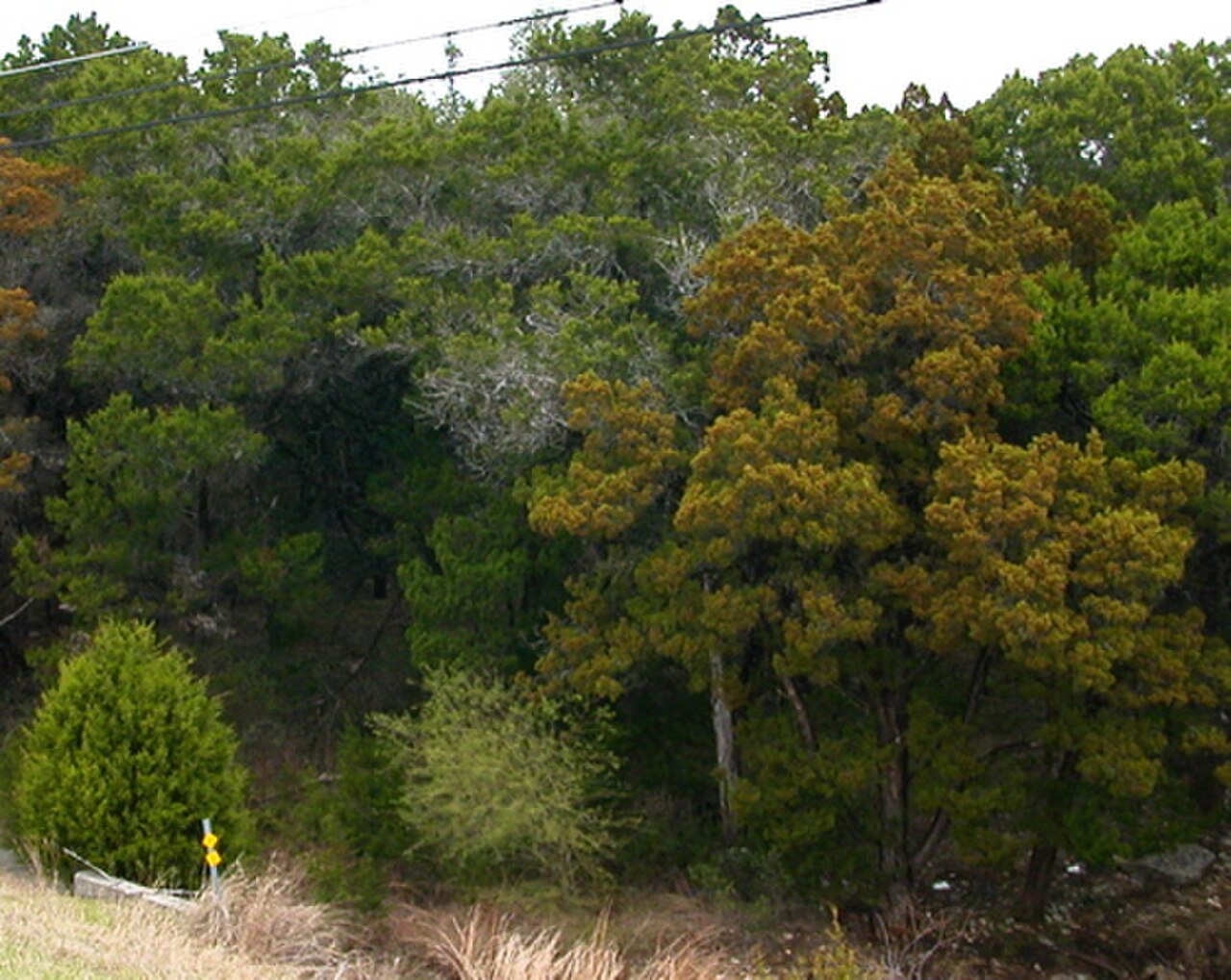
Ashe juniper shapes the landscape of the Texas Hill Country, where extensive evergreen woodlands provide vital watershed protection and soil stability across rugged limestone hills. Mature trees develop shaggy, peeling bark that endangered Golden-cheeked warblers harvest exclusively to weave their nests each spring. In mid-winter, male trees release vast clouds of windborne pollen that coat whole hillsides in a golden haze.
EvergreenDrought-TolerantWind-Pollinated
—observations
—countries
—peak records
Least ConcernConservation statusIUCN Red List categoriesLCNTVUENCREWEXLeast ConcernRed List categories, explained →
Diet & preyPhotosynthetic
Predators
- White-tailed Deer
ThreatsLand clearing, brush control, urban sprawl, intense wildfires
HabitatsLimestone hills, rocky slopes, canyon lands, arid woodlands
Life span300–500+ years
Classification
- OrderPinales
- FamilyCupressaceae
- GenusJuniperus
- SpeciesJuniperus ashei
Range data is not available yet.
Interaction riskLow
- Low
- Moderate
- High
- Very high
- Why interaction risk is low
- Pollen causes severe winter allergic reactions; wild berries also have toxic look-alikes.
- Why it is dangerous
- Male trees release enormous quantities of airborne pollen during winter, triggering intense allergic rhinitis known as cedar fever.
- How to recognize a risky encounter
- Look for dense evergreen foliage, shredding fibrous bark, and small blue berry-like seed cones on female trees.
- What to do
- Avoid disturbing branches or hiking dense stands during peak mid-winter pollen release.
- What to notice
- Recognized by thick, shaggy bark strips on mature trees over four meters tall in central Texas canyons.
- Support conservation
- Avoid clearing mature trees or causing loud disturbances in cedar brakes from March through July.
Responsible observation
- Pollen Season: Limit direct exposure during peak winter bloom from December through February.
- Wildlife Watching: Look for nesting warblers in dense, old-growth stands during spring.
- Trail Etiquette: Tread carefully on rocky slopes where these trees anchor thin limestone soils.
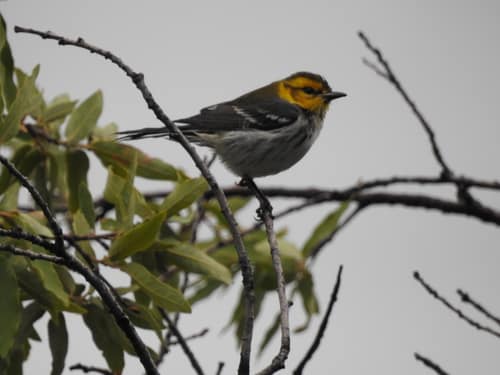
Nest Dependent (c) Leticia Jiménez Hernández, some rights reserved (CC BY-SA), uploaded by Leticia Jiménez Hernández · cc-by-sa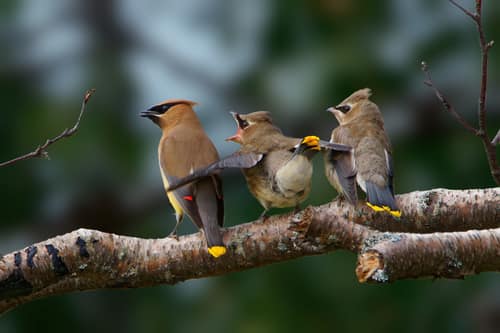
Seed Disperser (c) Christian Back, some rights reserved (CC BY), uploaded by Christian Back · cc-by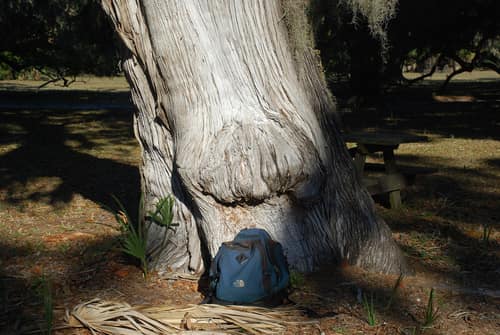
Close Relative (c) Douglas Goldman, some rights reserved (CC BY-SA), uploaded by Douglas Goldman · cc-by-sa
Help improve the field guideSomething wrong?
Checking your Fauna account…Report a name, category, or profile issue for review.