
Plant · GBIF taxon 5341413
Spotted Horsemint
Monarda punctataAlso known as Spotted Beebalm, Horsemint, Dotted Monarda, Spotted Mint
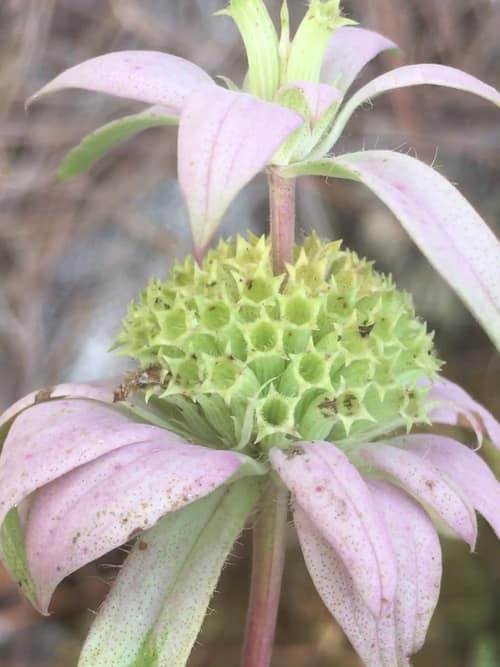
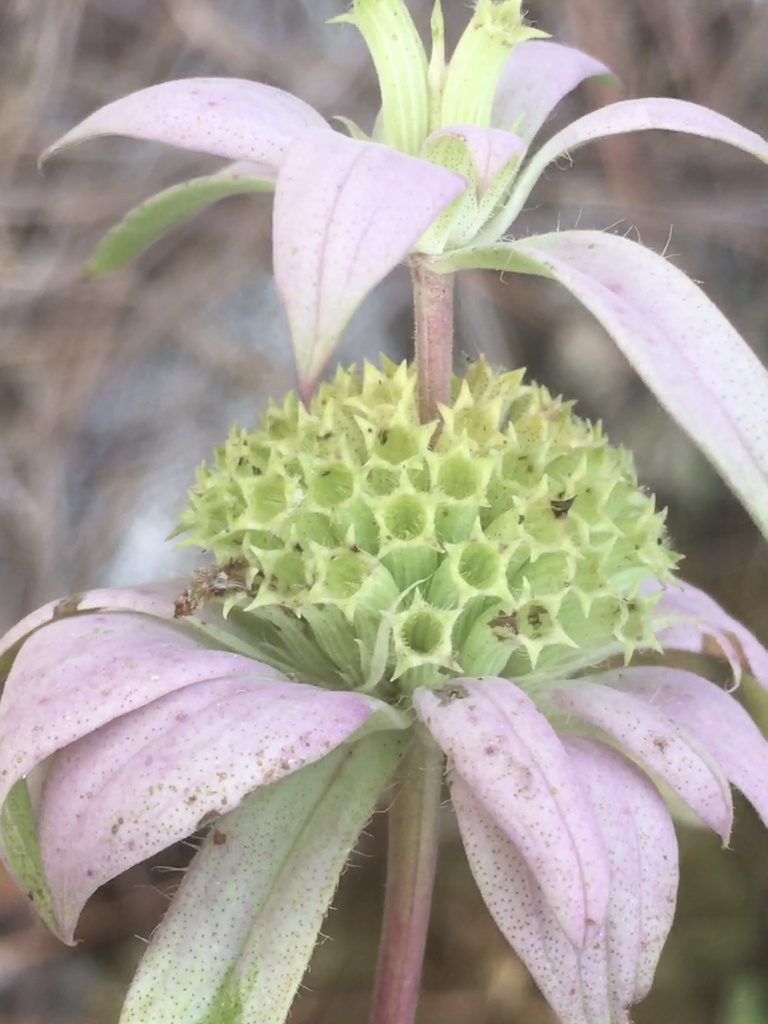
Spotted horsemint stands out in dry, sandy landscapes with its unique tiered flower spikes ringed by pale purple or pink leafy bracts. Small tubular yellow blossoms spotted with purple dots nestle directly above these showy bracts, offering high concentrations of nectar. The foliage secretes volatile oils rich in thymol, giving the plant a strong herbal scent that deters mammalian herbivores while attracting vast numbers of native bees and beneficial predatory wasps.
AromaticPollinator MagnetWildflower
—observations
—countries
—peak records
Least ConcernConservation statusIUCN Red List categoriesLCNTVUENCREWEXLeast ConcernRed List categories, explained →
Diet & prey
- Photosynthesis
Predators
Not available
ThreatsHabitat conversion, invasive species encroachment
HabitatsDry prairies, sandy fields, coastal dunes, pine barrens
Life spanPerennial
Size / weightNot available
Classification
- FamilyLamiaceae
- SpeciesMonarda punctata
Range data is not available yet.
Interaction riskLow
- Low
- Moderate
- High
- Very high
- Why interaction risk is low
- Safe to observe at a normal distance.
Responsible observation
- Optimal Timing: Look for peak blooms from midsummer to early autumn when purple-spotted blossoms open.
- Observe Pollinators: Stand quietly nearby to watch specialized solitary wasps and bumblebees gather nectar.
- Fragrance Cues: Gently brush the leaves to release a sharp, thyme-like aromatic aroma.
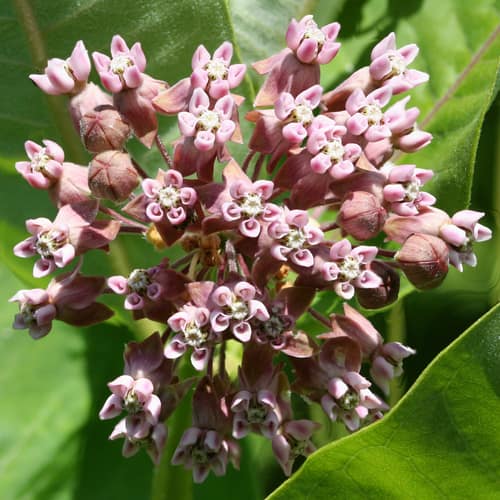
Frequent Companion (c) Randy Nonenmacher, some rights reserved (CC BY-SA) · cc-by-sa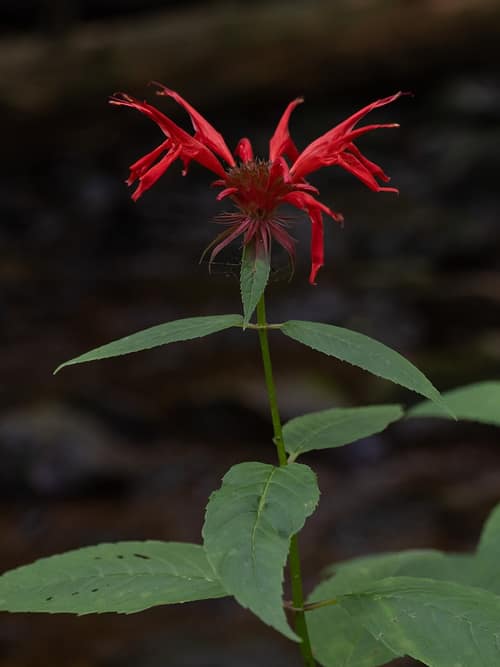
Close Relative Alex Abair / CC BY 4.0 · cc-by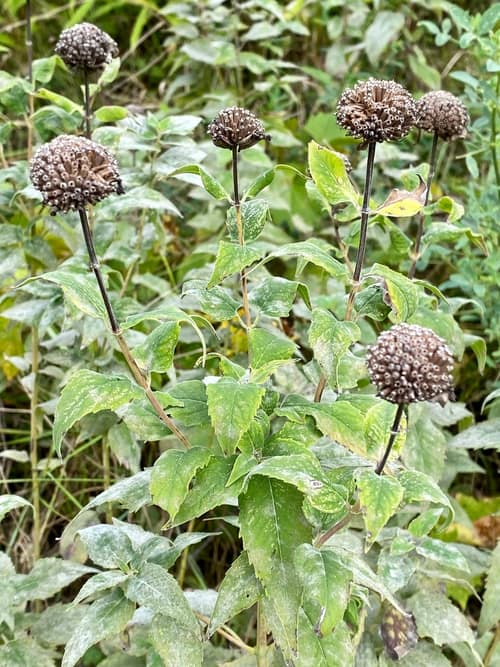
Close Relative (c) tzeducation, some rights reserved (CC BY), uploaded by tzeducation · cc-by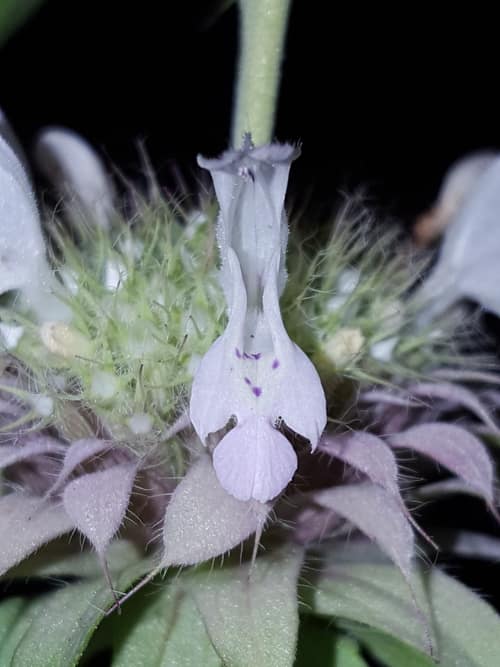
Close Relative (c) Alex Abair, some rights reserved (CC BY) · cc-by
Help improve the field guideSomething wrong?
Checking your Fauna account…Report a name, category, or profile issue for review.