
Plant · GBIF taxon 5303420
Creeping Inch Plant
Callisia repensAlso known as Turtle Vine, Bolivian Jew, Chain Plant
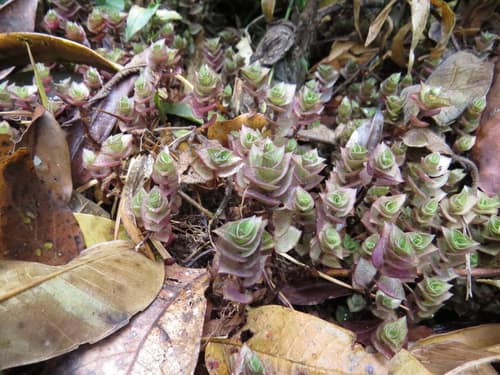
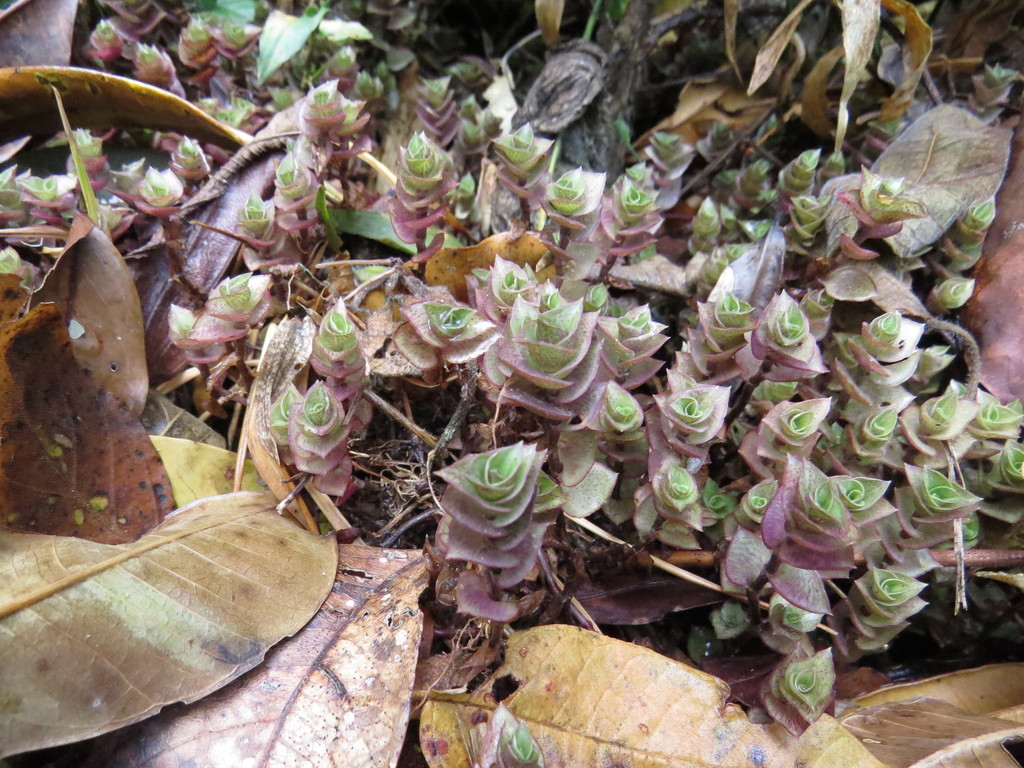
Creeping inch plant forms dense, low-growing carpets of miniature succulent foliage that spread across rocky outcrops and shaded forest understories. Its brittle stems root eagerly at every leaf joint that touches damp earth, creating extensive vegetative mats in warm, humid microclimates. Small, three-petaled white flowers emerge in pairs between the leaf axils during peak summer warmth, attracting small native solitary bees.
SucculentGroundcoverPerennial
—observations
—countries
—peak records
Not EvaluatedConservation statusIUCN Red List categoriesLCNTVUENCREWEXNot Evaluated — not placed on the risk ladderRed List categories, explained →
Diet & prey
- Autotrophic (photosynthetic)
Predators
- Herbivorous tortoises
- Slugs and snails
- Spider mites
ThreatsHard frosts, prolonged freezing temperatures, desiccation in open sun
HabitatsSubtropical scrub, moist forest floors, rocky hillsides, shaded riverbanks
Life spanPerennial (indefinite via vegetative cloning)
Classification
- OrderCommelinales
- FamilyCommelinaceae
- GenusCallisia
- SpeciesCallisia repens
Range data is not available yet.
Interaction riskHigh
- Low
- Moderate
- High
- Very high
- Why interaction risk is high
- Contact can trigger allergic skin dermatitis in dogs and cats; harmless to most humans.
- Why it is dangerous
- Plant sap and leaf surfaces contain irritating compounds that frequently cause pruritic contact dermatitis and red rashes in dogs and cats.
- How to recognize a risky encounter
- Look for a low carpet of tiny, fleshy oval leaves under two centimeters long with wine-purple undersides.
- What to do
- Wear garden gloves when pulling extensive mats, and prevent household pets from bedding down in outdoor plantings.
Responsible observation
- Cultivation: Root stem cuttings effortlessly by pressing two-node clippings directly into moist soil.
- Pet Safety: Keep hanging baskets out of reach from roaming dogs to avoid allergic skin reactions.
- Indoor Light: Provide bright, filtered sunlight to keep leaves tightly spaced and vividly colored.
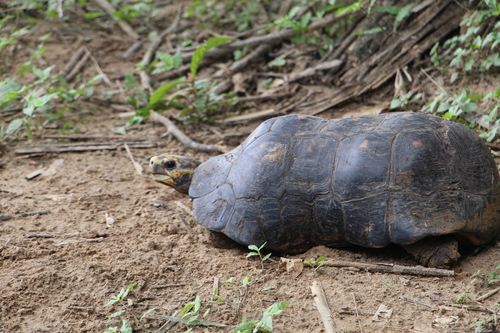
Herbivore (c) Andrés Ramírez-Barrera, some rights reserved (CC BY) · cc-by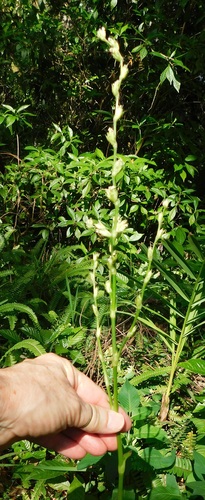
Close Relative no rights reserved · cc0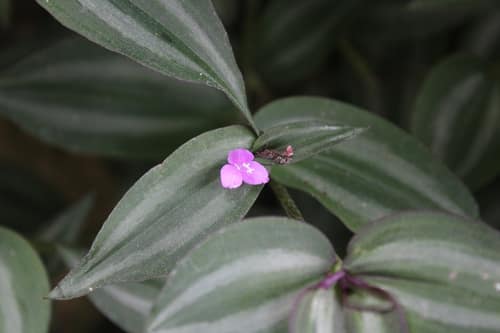
Same Family (c) Ricard Busquets Reverte, some rights reserved (CC BY), uploaded by Ricard Busquets Reverte · cc-by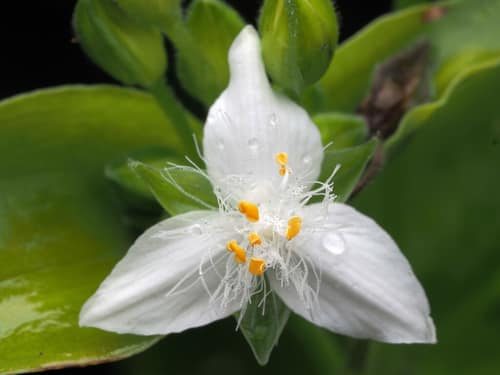
Same Family (c) Saryu Mae 前 朝琉, some rights reserved (CC BY), uploaded by Saryu Mae 前 朝琉 · cc-by
Help improve the field guideSomething wrong?
Checking your Fauna account…Report a name, category, or profile issue for review.