
Plant · GBIF taxon 2765359
Zebra Spiderwort
Tradescantia zebrinaAlso known as Silver Inch Plant, Wandering Dude, Wandering Jew, Striped Tradescantia
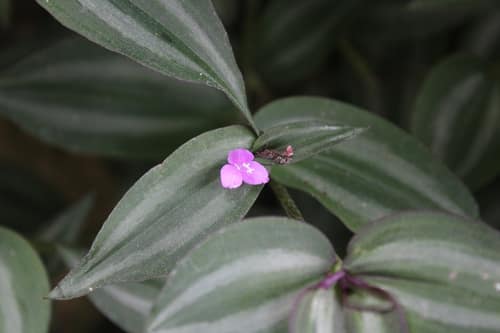
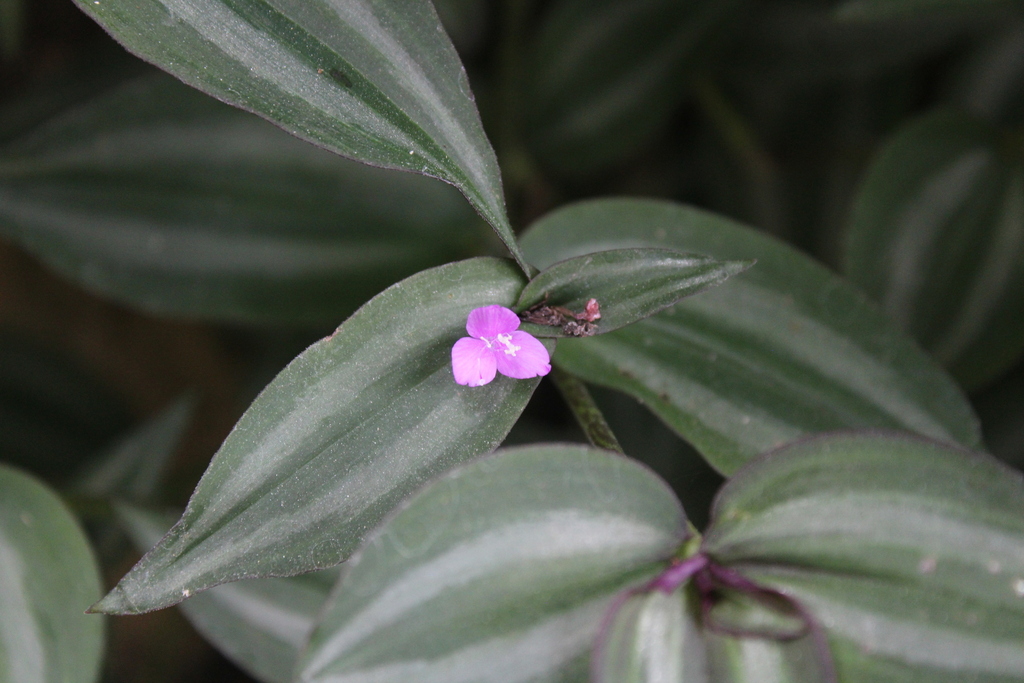
Zebra spiderwort features striking lance-shaped leaves striped with silver bands and framed by vivid magenta edges and undersides. Trailing fleshy stems quickly root at nodes wherever they touch moist soil, allowing dense creeping mats to carpet tropical forest floors. Small three-petaled pink flowers blossom intermittently along stem tips in sunny conditions.
Foliage PlantTrailingEvergreen
—observations
—countries
—peak records
Not EvaluatedConservation statusIUCN Red List categoriesLCNTVUENCREWEXNot Evaluated — not placed on the risk ladderRed List categories, explained →
Diet & prey
- Autotrophic (Photosynthetic)
Predators
- Snails
- Slugs
- Spider mites
ThreatsFreezing temperatures, habitat conversion
HabitatsTropical rainforest understory, moist rocky banks, cultivated indoors
Life spanPerennial (indefinite via clonal spread)
Size / weightNot available
Classification
- OrderCommelinales
- FamilyCommelinaceae
- GenusTradescantia
- SpeciesTradescantia zebrina
Range data is not available yet.
Interaction riskHigh
- Low
- Moderate
- High
- Very high
- Why interaction risk is high
- Sap contains irritants toxic to dogs and cats if chewed; keep out of pet reach.
- Why it is dangerous
- Sap contains calcium oxalate crystals and microscopic irritants that cause skin redness or mild gastrointestinal distress in domestic pets.
- How to recognize a risky encounter
- Recognized by creeping stems with silver-striped leaves and rich purple leaf undersides.
- What to do
- Wear gloves when trimming heavy growth and place indoor plants high out of pet reach.
Responsible observation
- Lighting: Place in bright indirect light to preserve vivid silver and purple foliage colors.
- Propagation: Snip healthy stem cuttings and insert into moist potting soil to start new roots.
- Pet Placement: Position pots in elevated hanging baskets to keep stems away from inquisitive animals.
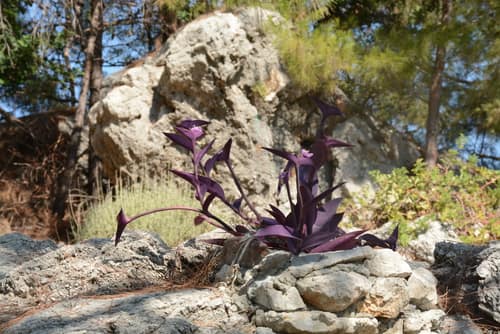
Close Relative (c) Fethullah ÖZTÜRK, some rights reserved (CC BY) · cc-by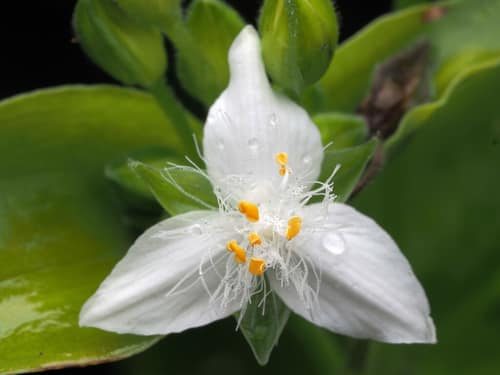
Close Relative (c) Saryu Mae 前 朝琉, some rights reserved (CC BY), uploaded by Saryu Mae 前 朝琉 · cc-by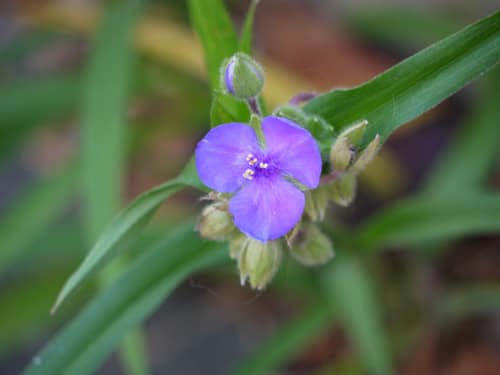
Temperate Relative (c) Alexis Tinker-Tsavalas, some rights reserved (CC BY), uploaded by Alexis Tinker-Tsavalas · cc-by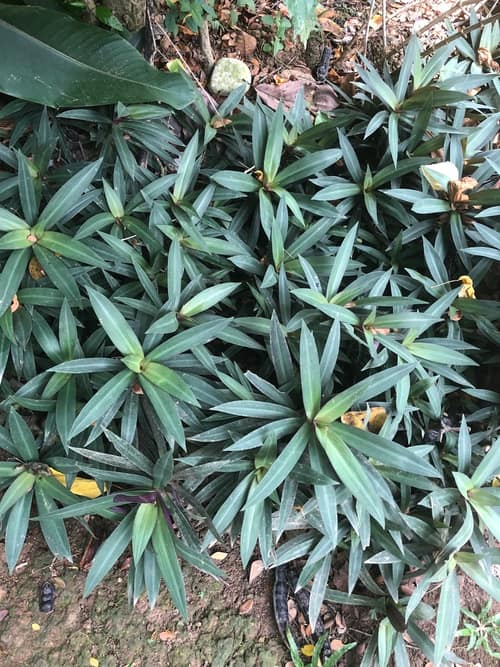
Close Relative no rights reserved, uploaded by Parker Hopkins · cc0
Help improve the field guideSomething wrong?
Checking your Fauna account…Report a name, category, or profile issue for review.