
Plant · GBIF taxon 5286032
Madagascar Yellowwood
Podocarpus madagascariensisAlso known as Madagascar Podocarp, Malagasy Yellowwood
Madagascar yellowwoods grow as elegant evergreen conifers throughout the humid mountain forests and coastal woodlands of Madagascar. Their broad, glossy needle-like leaves form dense canopies that shelter diverse endemic canopy wildlife. Mature trees produce fleshy, reddish seed receptacles that rely on birds and arboreal mammals for dispersal across fragmented forest corridors.
EndemicEvergreenConifer
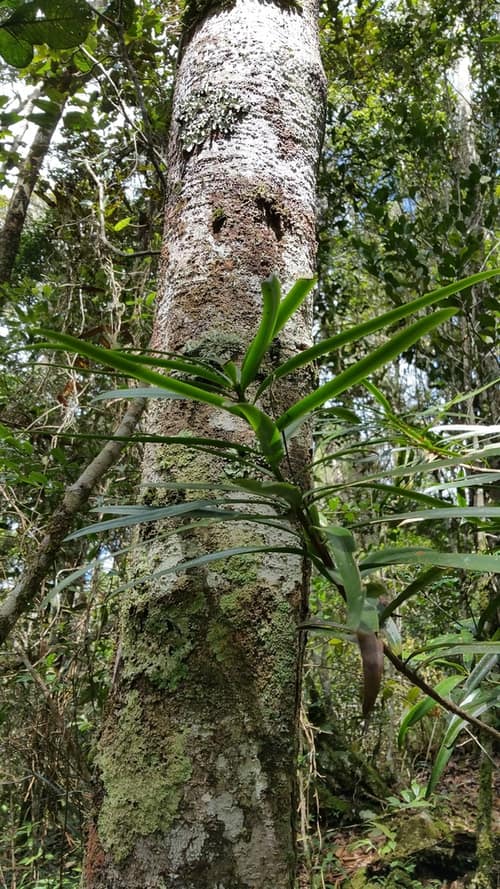
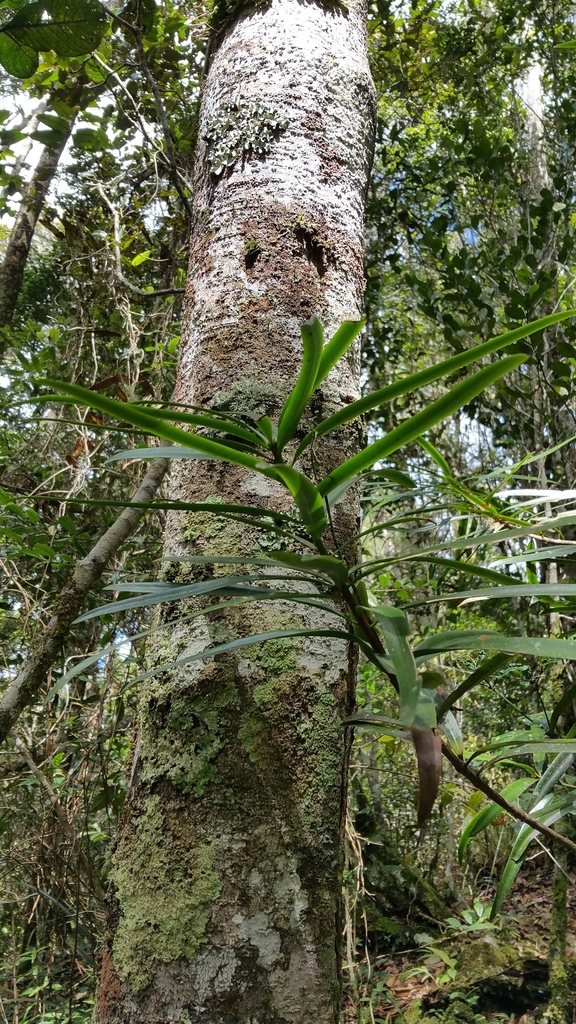
—observations
—countries
—peak records
Near ThreatenedConservation statusIUCN Red List categoriesLCNTVUENCREWEXNear ThreatenedRed List categories, explained →
Diet & prey
- Autotrophic (Photosynthesis)
Predators
- Seed-eating birds
- Lemurs
- Wood-boring beetles
ThreatsDeforestation, slash-and-burn agriculture, timber harvesting
HabitatsHumid montane forests, subtropical evergreen woodlands, rocky slopes
Life span100–300+ years
Size / weightNot available
Classification
- FamilyPodocarpaceae
- SpeciesPodocarpus madagascariensis
Range data is not available yet.
Interaction riskLow
- Low
- Moderate
- High
- Very high
- Why interaction risk is low
- Fleshy seed cones have toxic look-alikes; never consume wild plant parts.
- What to notice
- Recognized by its tall straight trunk, reddish-brown bark, and distinct linear evergreen leaves in Malagasy rainforests.
- Support conservation
- Observe trees without disturbing surrounding undergrowth or damaging seedlings around the base.
Responsible observation
- Identification: Look for long, narrow leather-like leaves arranged spirally along slender twigs.
- Fruiting Season: Inspect lower branches for swollen, colorful fleshy receptacles supporting single seeds.
- Trail Etiquette: Stick to marked trails in protected Malagasy reserves to avoid disturbing soil and saplings.
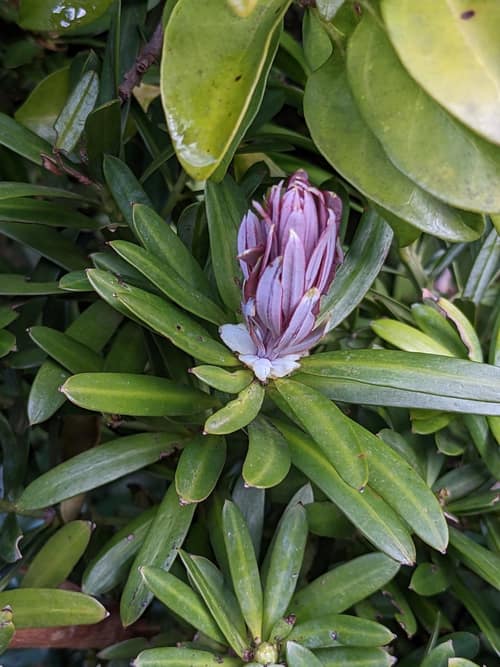
African Kin (c) Eric Knight, some rights reserved (CC BY), uploaded by Eric Knight · cc-by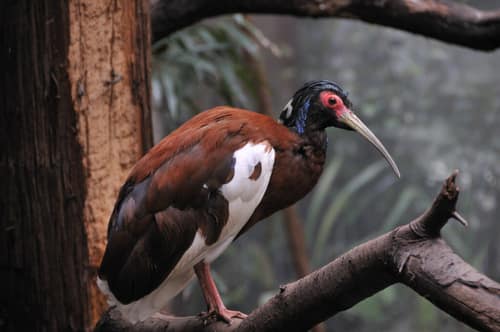
Forest Companion (c) Eric Savage, some rights reserved (CC BY-SA) · cc-by-sa Image unavailable
Close Relative 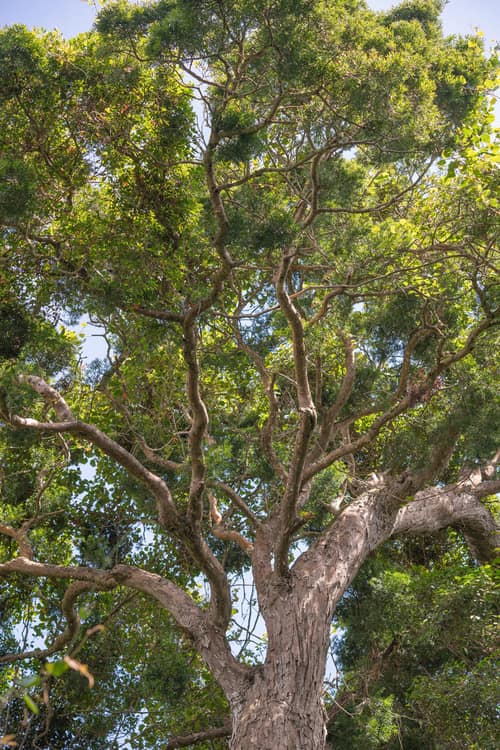
Regional Relative (c) Morten Ross, some rights reserved (CC BY), uploaded by Morten Ross · cc-by
Help improve the field guideSomething wrong?
Checking your Fauna account…Report a name, category, or profile issue for review.