
Plant · GBIF taxon 5285951
African Yellowwood
Podocarpus latifoliusAlso known as Real Yellowwood, Broad-leaved Yellowwood, Oprechte Geelhout
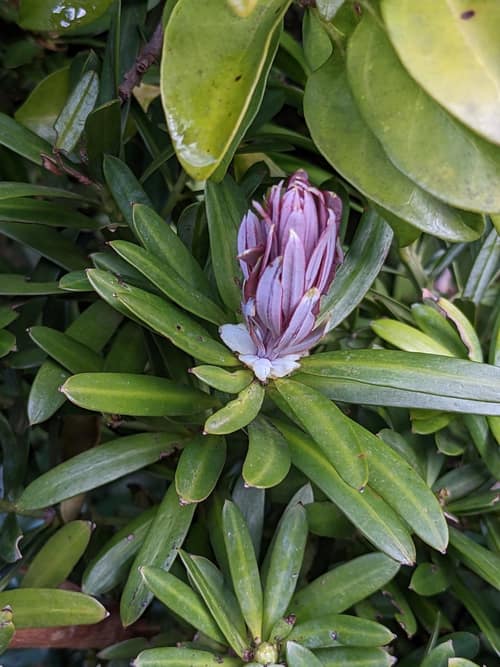
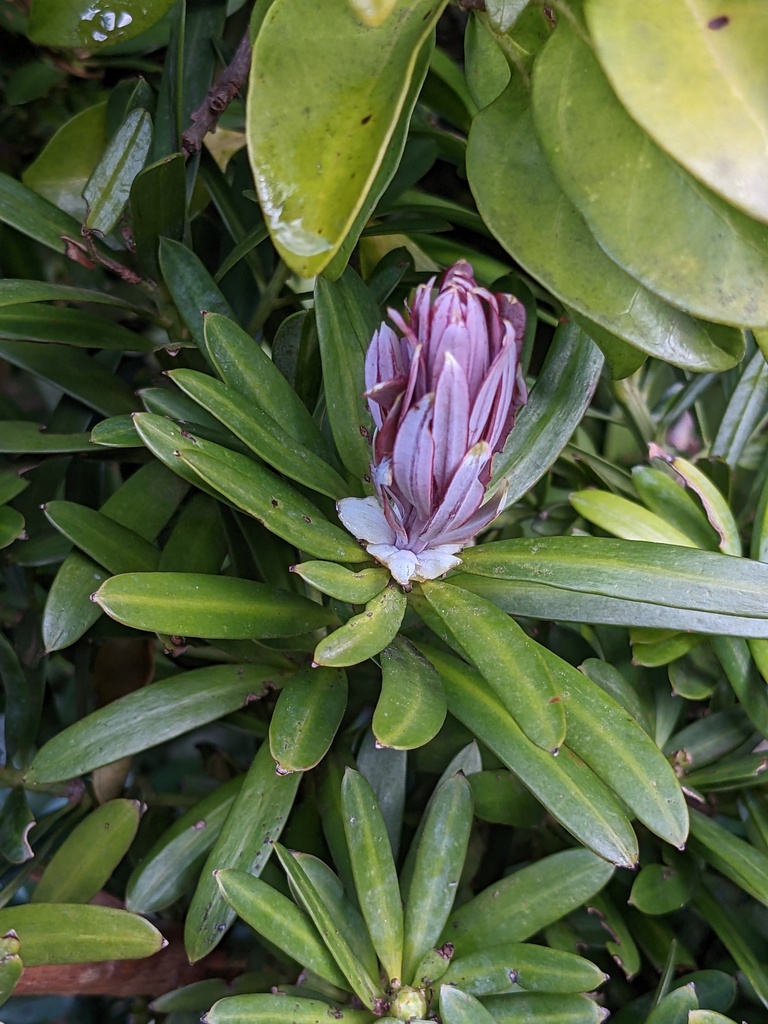
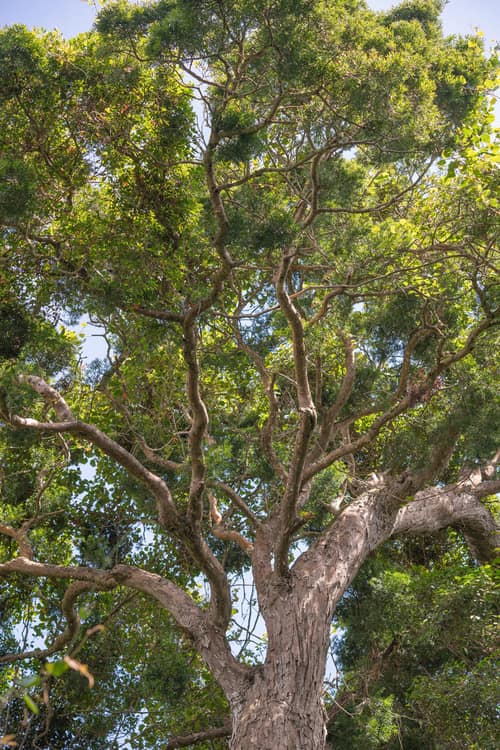
Real yellowwoods are imposing slow-growing evergreen conifers that dominate the canopy of South Africa's ancient Afromontane forests. Mature trees feature distinctive deeply fissured greyish bark and glossy leather-like leaves that cluster toward the tips of stiff branchlets. Their swollen purple-red fleshy seed receptacles attract endemic forest birds like the Cape parrot, which feed on and disperse the hard seeds.
EvergreenConiferCanopy Tree
 1 / 7
1 / 7—observations
—countries
—peak records
Least ConcernConservation statusIUCN Red List categoriesLCNTVUENCREWEXLeast ConcernRed List categories, explained →
Diet & prey
- Autotrophic
Predators
Not available
ThreatsHistorical timber exploitation, habitat fragmentation
HabitatsAfromontane forests, coastal forests, mountain ravines
Life span500–1000 years
Size / weightNot available
Classification
- FamilyPodocarpaceae
- SpeciesPodocarpus latifolius
Range data is not available yet.
Interaction riskLow
- Low
- Moderate
- High
- Very high
- Why interaction risk is low
- Wild berries and fleshy cones have toxic look-alikes; never eat based on app identification alone.
- What to notice
- Recognize it by its straight trunk, peeling grey bark, and broad, glossy foliage in indigenous high forests.
- Support conservation
- Refrain from cutting, peeling bark, or damaging root zones when hiking near mature trees.
Responsible observation
- Bark Identification: Look for greyish, longitudinally peeling bark on mature trunks to distinguish it in dense forest.
- Fruiting Season: Search beneath mature female trees in autumn for swollen red-purple seed receptacles.
- Protected Status: Enjoy observing wild trees without removing leaves, bark, or seed cones.
Forest Companion (c) Morten Ross, some rights reserved (CC BY), uploaded by Morten Ross · cc-by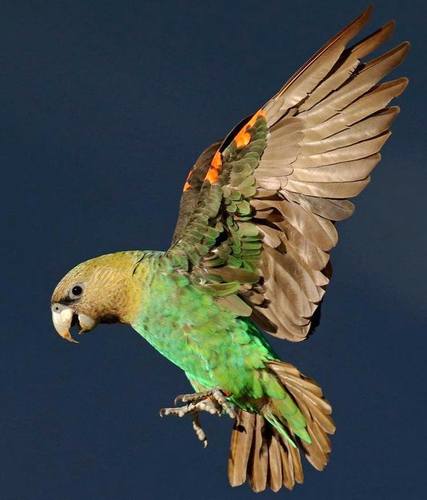
Seed Disperser no rights reserved, uploaded by Dave Brown · cc0 Image unavailable
Close Relative
Help improve the field guideSomething wrong?
Checking your Fauna account…Report a name, category, or profile issue for review.