
Plant
African Fern Pine
Afrocarpus falcatusAlso known as Outeniqua Yellowwood, Common Yellowwood, Weeping Yew, Bastard Yellowwood
Outeniqua yellowwoods count among the grandest canopy trees of Southern Africa's evergreen montane forests, occasionally reaching heights over 40 meters. Their narrow, lance-shaped leaves form a soft, billowy crown that casts deep shade across the forest floor. Female trees produce fleshy, yellow-green seed cones that mature over a year, feeding fruit bats and native parrots that disperse the seeds.
TreeEvergreenForest Canopy
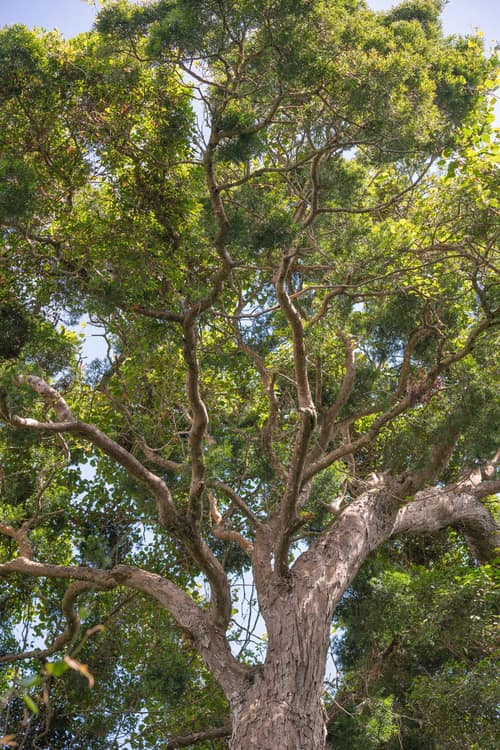
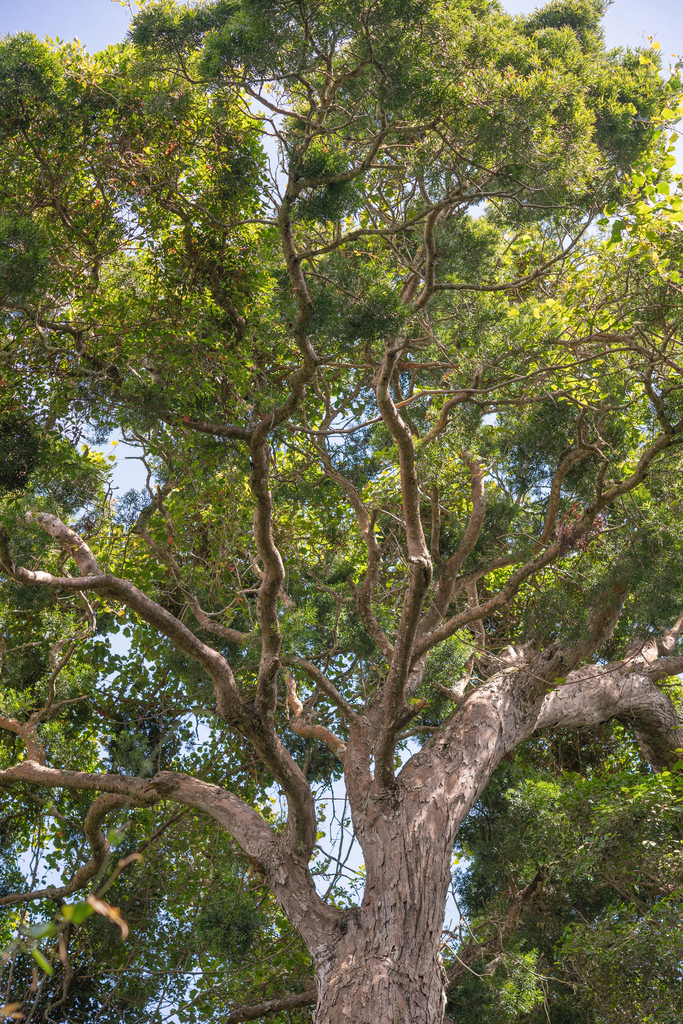
—observations
—countries
—peak records
Least ConcernConservation statusIUCN Red List categoriesLCNTVUENCREWEXLeast ConcernRed List categories, explained →
Diet & preyAutotrophic (Photosynthetic)
ThreatsHistorical over-logging, habitat loss
HabitatsMontane forests, coastal forests, ravines
Life spanUp to 1,000+ years
Classification
- FamilyPodocarpaceae
- SpeciesAfrocarpus falcatus
Range data is not available yet.
Interaction riskLow
- Low
- Moderate
- High
- Very high
- Why interaction risk is low
- Wild seed cones have toxic look-alikes; never eat wild plant parts based on app identification alone.
- What to notice
- Recognize by immense height, smooth flaking bark flakes, and dense narrow leaves in old-growth forests.
- Support conservation
- Observe from marked trails in nature reserves and never harvest wild wood, foliage, or seeds.
Responsible observation
- Identification: Look for the distinctive flaking gray bark and long, narrow dark green leaves in moist forest ravines.
- Cultivation: Plant in well-drained soil in full sun to partial shade as an ornamental shade tree or windbreak.
- Conservation: Respect protected tree regulations in South Africa by avoiding harm to wild specimens.
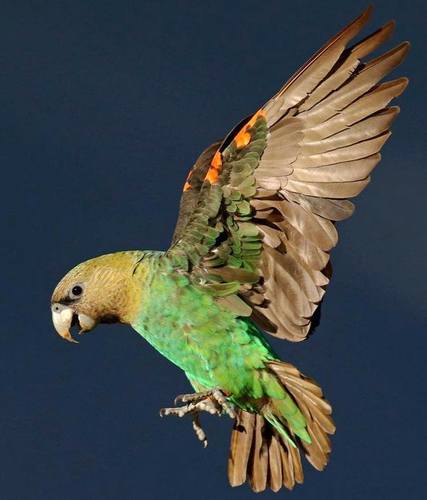
Symbiont no rights reserved, uploaded by Dave Brown · cc0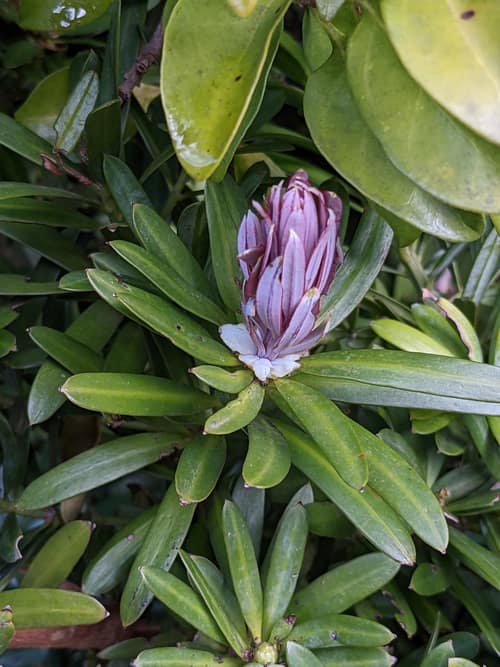
Close Relative (c) Eric Knight, some rights reserved (CC BY), uploaded by Eric Knight · cc-by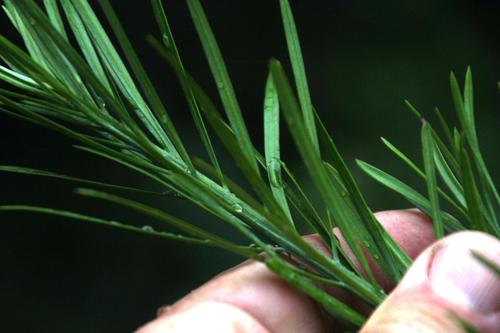
Close Relative (c) Tony Rebelo, some rights reserved (CC BY-SA), uploaded by Tony Rebelo · cc-by-sa
Help improve the field guideSomething wrong?
Checking your Fauna account…Report a name, category, or profile issue for review.