
Plant · GBIF taxon 5285067
Red Pine
Pinus resinosaAlso known as Norway Pine
Red pines form straight, clean trunks covered in reddish-brown plated bark that sheds in thin scales as the tree matures. Their dark green, flexible needles grow in pairs and snap cleanly when bent, a key characteristic distinguishing them from look-alike species. Adapted to fire-prone environments, mature trees rely on light surface fires to clear understory competition and expose mineral soil for seedling germination.
EvergreenConiferNative Tree
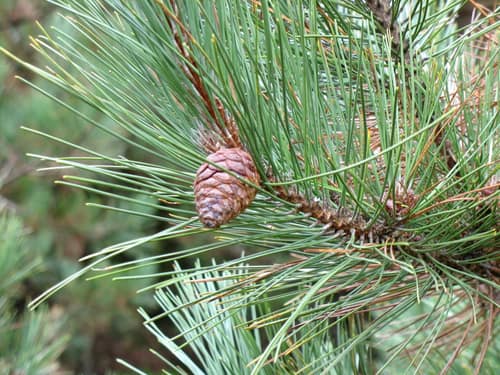
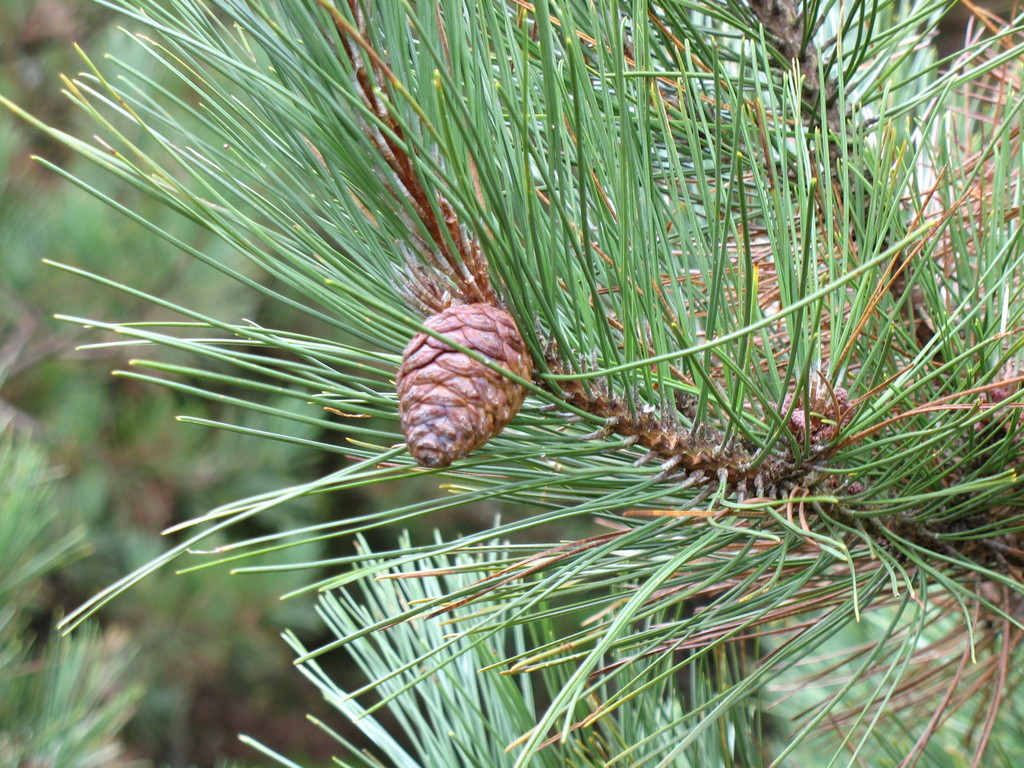
—observations
—countries
—peak records
Least ConcernConservation statusIUCN Red List categoriesLCNTVUENCREWEXLeast ConcernRed List categories, explained →
Diet & prey
- Autotrophic (Photosynthesis)
Predators
- Porcupine
- White-Tailed Deer
- Red Squirrel
ThreatsSphaeropsis blight, pine shoot beetle, severe fire suppression
HabitatsBoreal and temperate coniferous forests, sandy plains, dry rocky ridges
Life span200–400 years
Size / weightNot available
Classification
- OrderPinales
- FamilyPinaceae
- GenusPinus
- SpeciesPinus resinosa
Range data is not available yet.
Interaction riskLow
- Low
- Moderate
- High
- Very high
- Why interaction risk is low
- Safe to observe at a normal distance.
Responsible observation
- Needle test: Snap a paired needle bundle in half to check for a clean, brittle break.
- Examine the bark: Look for distinctive, flaking reddish-orange plates on mature trunks.
- Inspect the cones: Check for small, symmetrical oval cones that lack sharp prickles.
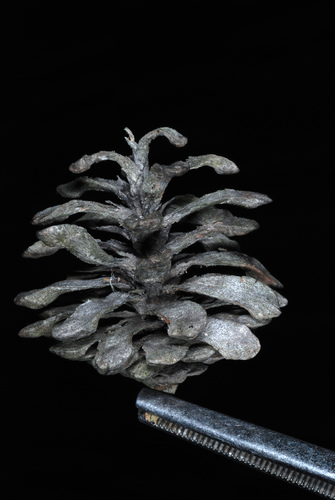
Frequent Companion (c) Douglas Goldman, some rights reserved (CC BY-SA), uploaded by Douglas Goldman · cc-by-sa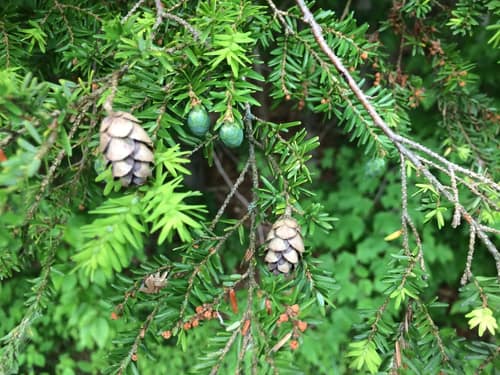
Frequent Companion (c) Ian Manning, some rights reserved (CC BY), uploaded by Ian Manning · cc-by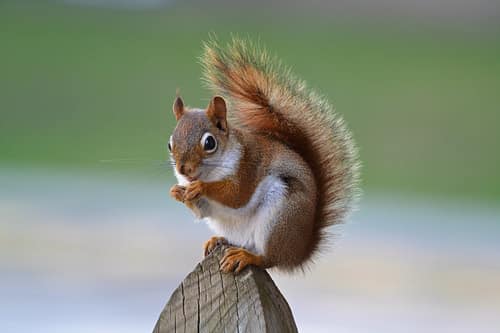
Seed Consumer (c) DaPuglet, some rights reserved (CC BY-SA) · cc-by-sa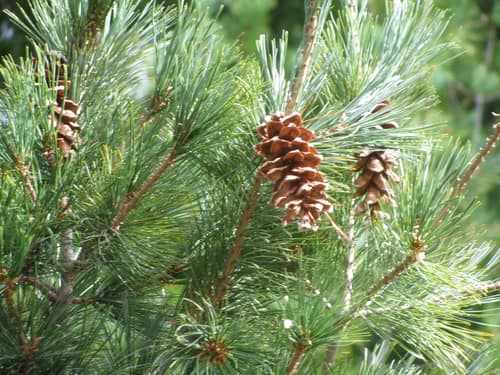
Close Relative (c) Forest and Kim Starr, some rights reserved (CC BY) · cc-by
Help improve the field guideSomething wrong?
Checking your Fauna account…Report a name, category, or profile issue for review.