
Plant · GBIF taxon 5285533
Jack Pine
Pinus banksianaAlso known as Grey Pine, Scrub Pine, Bankian Pine, Black Pine
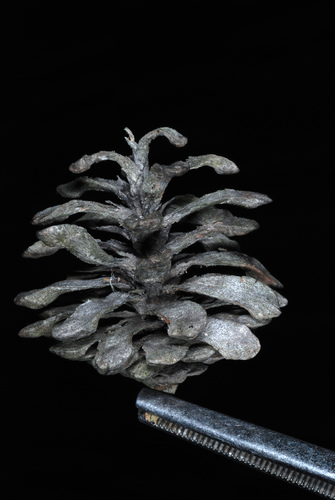
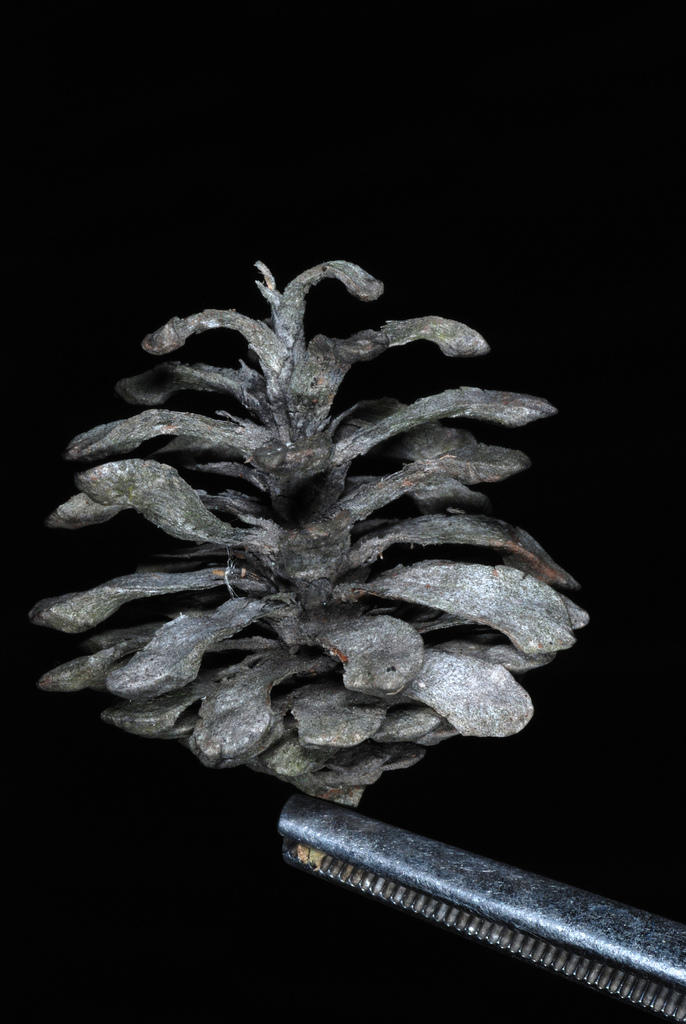
Jack pines are hardy, fire-adapted conifers native to northern North America, recognizable by short, paired needles and tightly curved cones. Their resin-sealed cones can remain closed on branches for decades until the heat of a forest fire unlocks them to disperse seeds over freshly burned soil. Forming dense stands on poor, sandy ground, these pioneer trees provide essential nesting habitat for the rare Kirtland's warbler.
ConiferEvergreenFire-Adapted
 1 / 7
1 / 7—observations
—countries
—peak records
Least ConcernConservation statusIUCN Red List categoriesLCNTVUENCREWEXLeast ConcernRed List categories, explained →
Diet & prey
- Autotrophic (Photosynthesis)
Predators
- Jack Pine Budworm
- Bark Beetles
- Porcupine
ThreatsFire suppression, invasive bark beetles, extreme drought
HabitatsBoreal forest, sandy plains, rocky outcrops, jack pine barrens
Life span80–150 years
Size / weightNot available
Classification
- FamilyPinaceae
- SpeciesPinus banksiana
Range data is not available yet.
Interaction riskLow
- Low
- Moderate
- High
- Very high
- Why interaction risk is low
- Safe to observe at a normal distance.
Responsible observation
- Identify by Needles: Look for short, sharp needles grouped in pairs that diverge in a broad V-shape.
- Check the Cones: Search branches for curved, asymmetrical cones sealed tightly with resin.
- Observe Habitat: Notice how these trees thrive in dry, nutrient-poor sands where other trees struggle.
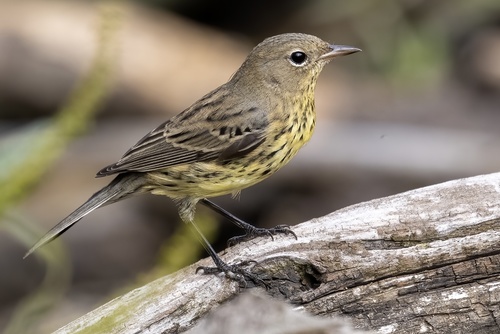
Nesting Partner (c) Matt Felperin, some rights reserved (CC BY), uploaded by Matt Felperin · cc-by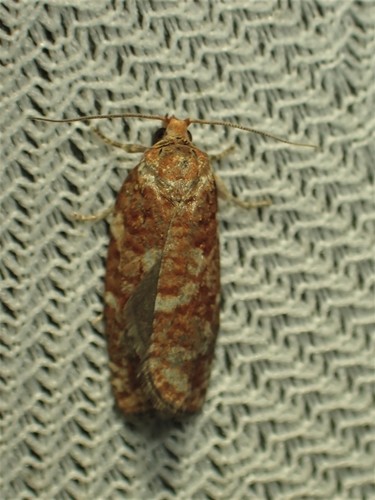
Insect Herbivore (c) Louis Imbeau, some rights reserved (CC BY) · cc-by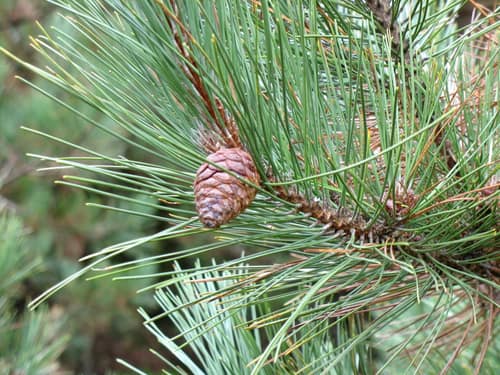
Close Relative (c) timmenzies on Flickr, some rights reserved (CC BY-SA) · cc-by-sa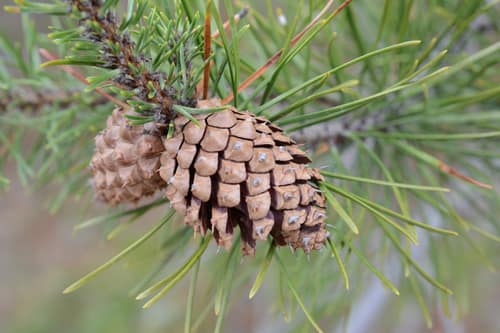
Close Relative (c) Alison Northup, some rights reserved (CC BY), uploaded by Alison Northup · cc-by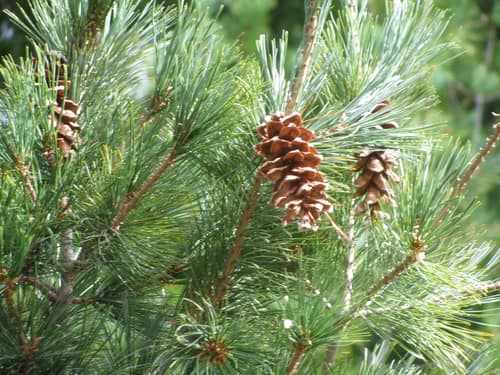
Close Relative (c) Forest and Kim Starr, some rights reserved (CC BY) · cc-by
Help improve the field guideSomething wrong?
Checking your Fauna account…Report a name, category, or profile issue for review.