
Plant · GBIF taxon 5284884
European Spruce
Picea abiesAlso known as Norway Spruce, Norway Fir, European Fir, Common Spruce
European spruce anchors boreal and alpine landscapes across northern and central Europe, forming dense evergreen canopies that shelter diverse woodland wildlife. Its pendulous seed cones can reach up to fifteen centimeters in length, making them the largest cones among native European spruces. High shade tolerance and rapid growth allow it to dominate montane ecosystems, though monoculture plantings face growing pressure from bark beetle infestations.
EvergreenConiferForest
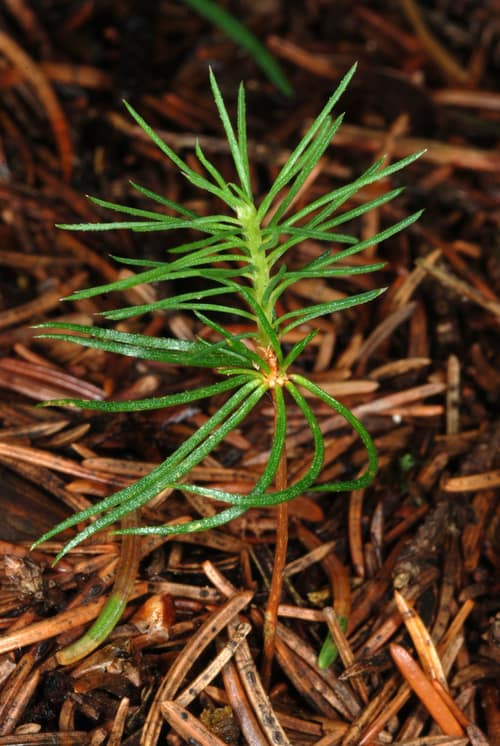
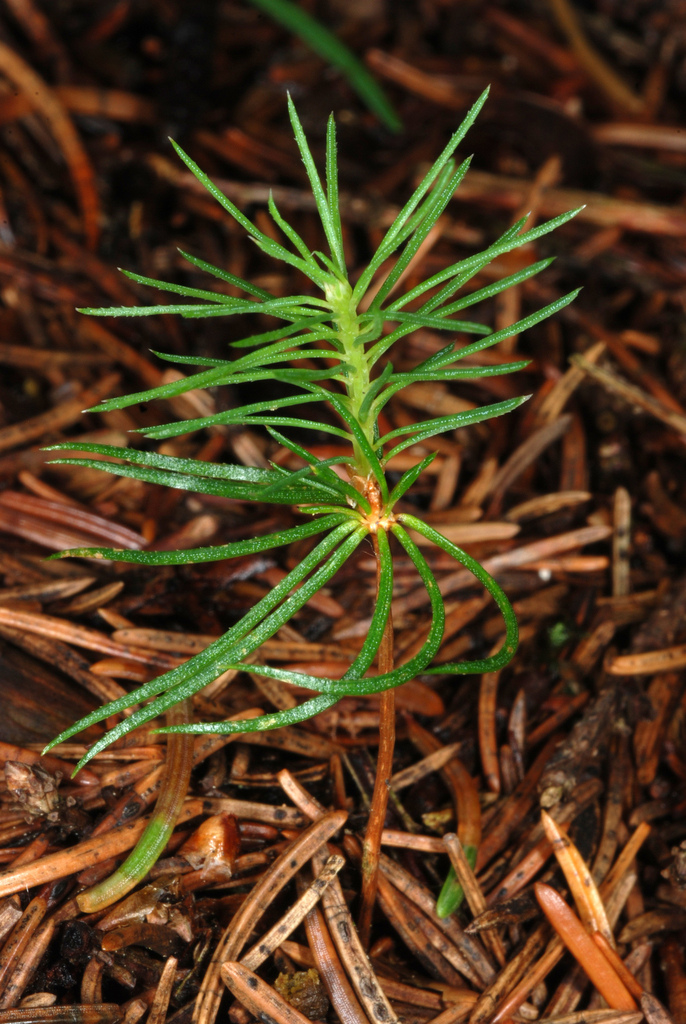 1 / 7
1 / 7—observations
—countries
—peak records
Least ConcernConservation statusIUCN Red List categoriesLCNTVUENCREWEXLeast ConcernRed List categories, explained →
Diet & prey
- Sunlight
- Water
- Soil nutrients
Predators
- European spruce bark beetle
- Deer
- Pine sawflies
ThreatsBark beetle outbreaks, severe summer droughts, air pollution
HabitatsBoreal forest, montane evergreen woodland, subalpine slopes
Life span300–500 years
Size / weightNot available
Classification
- OrderPinales
- FamilyPinaceae
- GenusPicea
- SpeciesPicea abies
Range data is not available yet.
Interaction riskLow
- Low
- Moderate
- High
- Very high
- Why interaction risk is low
- Safe to observe at a normal distance.
Responsible observation
- Cone Identification: Look for large hanging cones measuring up to fifteen centimeters long.
- Needle Check: Feel the four-sided needles, which roll easily between your fingers.
- Habitat Spotting: Search for broad conical crowns in cool, moist upland forests.
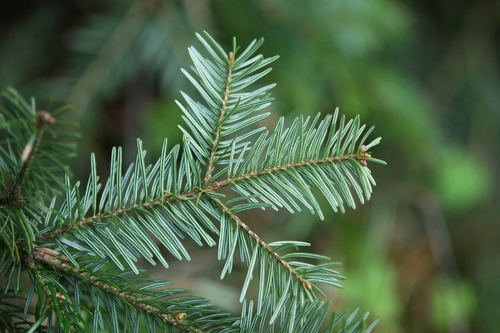
Competitor (c) böhringer friedrich, some rights reserved (CC BY-SA) · cc-by-sa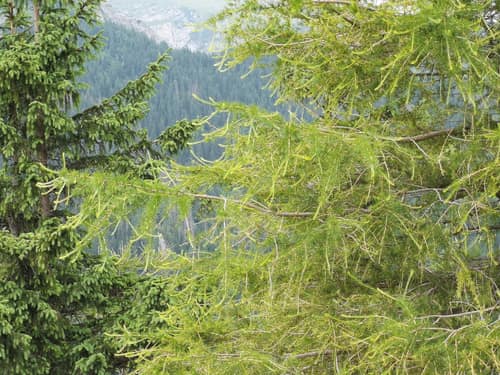
Frequent Companion (c) Jens-Christian Svenning, some rights reserved (CC BY), uploaded by Jens-Christian Svenning · cc-by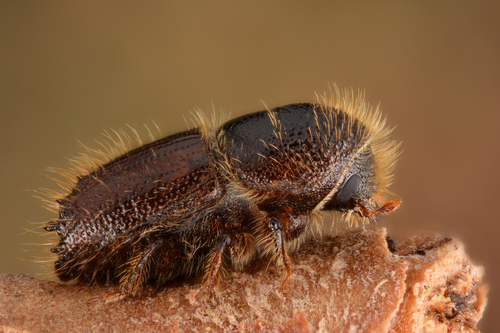
Parasite (c) Gilles San Martin, some rights reserved (CC BY-SA), uploaded by Gilles San Martin · cc-by-sa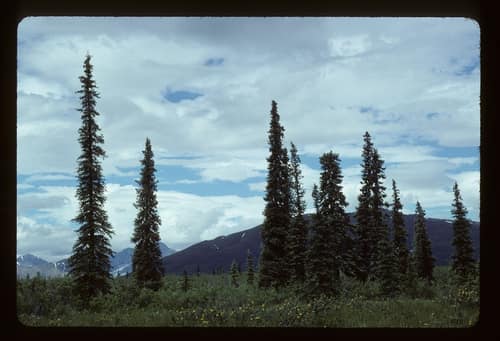
Close Relative (c) Douglas Goldman, some rights reserved (CC BY-SA), uploaded by Douglas Goldman · cc-by-sa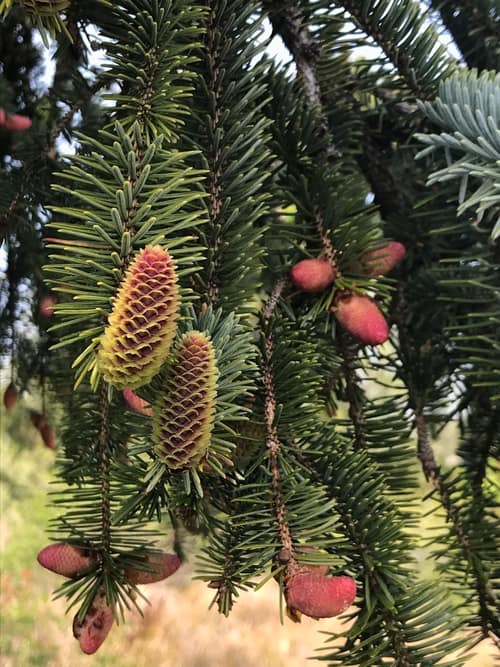
Close Relative (c) Aaron Liston, some rights reserved (CC BY), uploaded by Aaron Liston · cc-by
Help improve the field guideSomething wrong?
Checking your Fauna account…Report a name, category, or profile issue for review.