
Plant · GBIF taxon 2685484
Silver Fir
Abies albaAlso known as European Silver Fir, Common Silver Fir
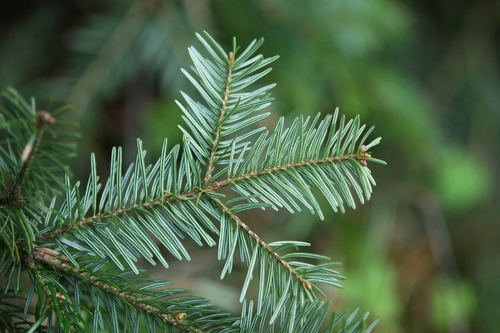
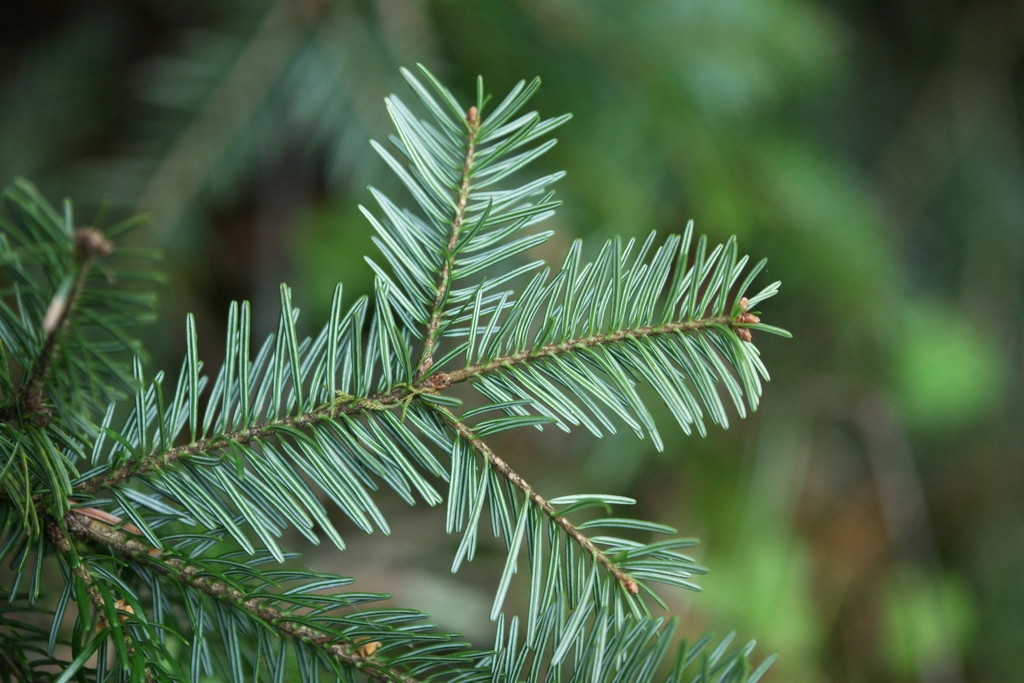
Silver fir dominates the moist mountain forests of Europe, recognized by its flattened, notch-tipped needles bearing two bright silvery bands underneath. Its cylindrical cones stand strictly erect in the upper canopy, breaking apart on the tree to release winged seeds rather than falling intact. These monumental evergreens serve as vital habitat for alpine wildlife and have long formed the ecological backbone of mixed European woodlands.
ConiferEvergreenMountain Tree
—observations
—countries
—peak records
Least ConcernConservation statusIUCN Red List categoriesLCNTVUENCREWEXLeast ConcernRed List categories, explained →
Diet & prey
- Photosynthetic
Predators
- Bark Beetles
- Deer (Browsing)
- Fungal Pathogens
ThreatsAir pollution, bark beetle outbreaks, drought from climate change
HabitatsMontane coniferous and mixed forests, subalpine slopes
Life span300–500 years
Size / weightNot available
Classification
- FamilyPinaceae
- SpeciesAbies alba
Range data is not available yet.
Interaction riskLow
- Low
- Moderate
- High
- Very high
- Why interaction risk is low
- Safe to observe at a normal distance.
Responsible observation
- Needle Check: Look at the underside of needles for two distinct silvery-white bands.
- Cone Observation: Search the forest floor for individual cone scales, as intact cones break apart high in the tree.
- Bark Identification: Examine the trunk for smooth grey bark on young trees that matures into scaly plates.
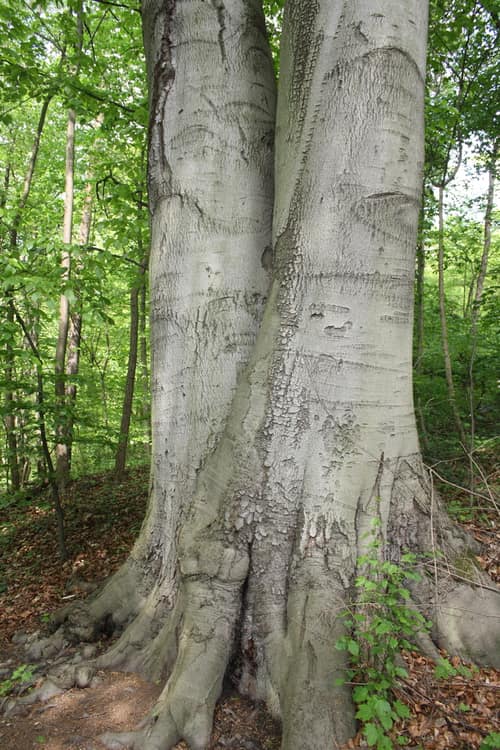
Frequent Companion (c) Daniel Linzbauer, some rights reserved (CC BY), uploaded by Daniel Linzbauer · cc-by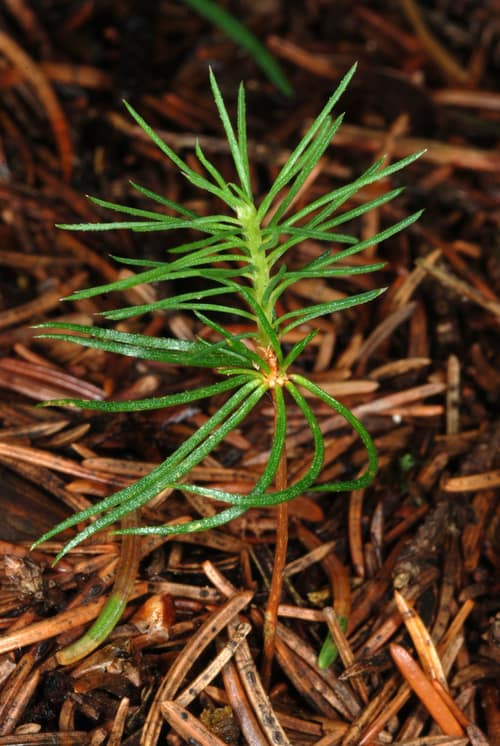
Competitor (c) Douglas Goldman, some rights reserved (CC BY-SA), uploaded by Douglas Goldman · cc-by-sa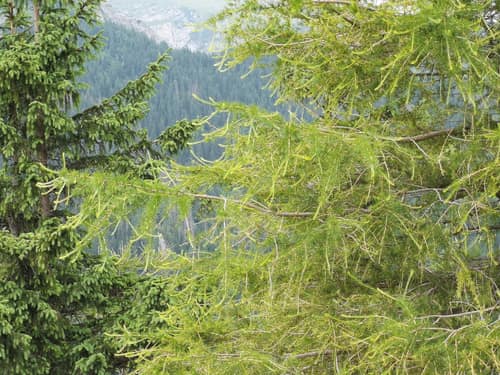
Frequent Companion (c) Jens-Christian Svenning, some rights reserved (CC BY), uploaded by Jens-Christian Svenning · cc-by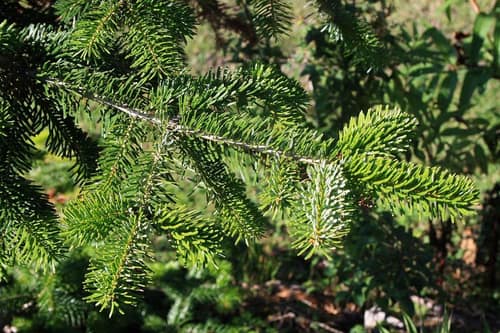
Close Relative (c) Franz Xaver, some rights reserved (CC BY-SA) · cc-by-sa
Help improve the field guideSomething wrong?
Checking your Fauna account…Report a name, category, or profile issue for review.