
Fungus
Brown Field Mushroom
Agaricus cupreobrunneusAlso known as Copper-brown Agaric, Wet Mushroom
Agaricus cupreobrunneus emerges in grassy openings, marked by a distinctly fibrillose, coppery-brown cap that separates it visually from pure white meadow cousins. The flesh remains unchanging or faintly pinkish when bruised, while crowded free gills shift from a delicate pale pink to deep chocolate brown as spores mature. Operating underground, perennial mycelial networks bind organic matter in pasture soil, producing brief flushes of fruiting bodies following substantial seasonal rains.
FungusSaprobicSpore-bearing
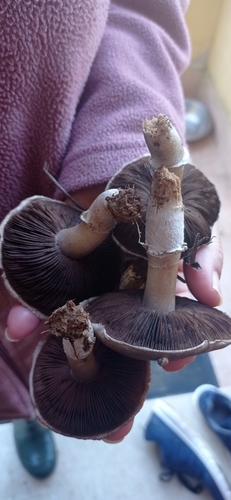
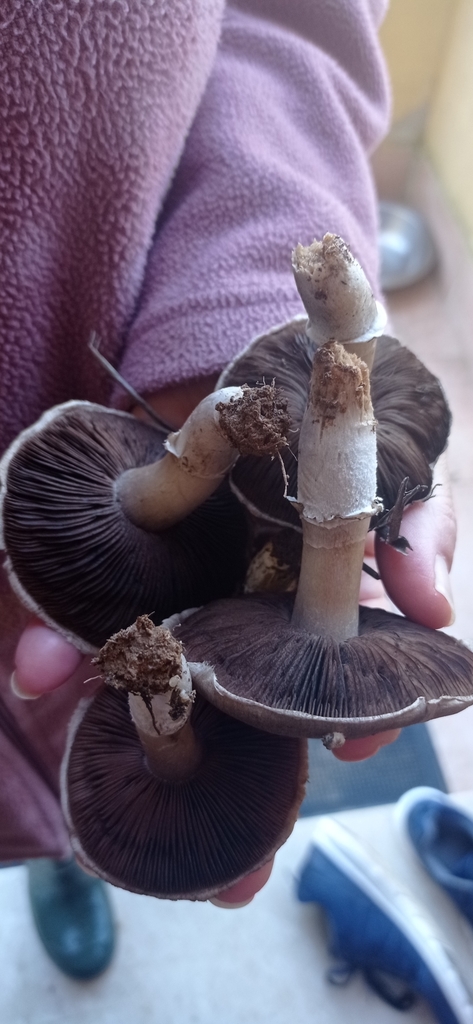
—observations
—countries
—peak records
Not EvaluatedConservation statusIUCN Red List categoriesLCNTVUENCREWEXNot Evaluated — not placed on the risk ladderRed List categories, explained →
Diet & preyDecaying grass litter, Soil humus, Organic matter
Predators
- Slugs
- Fungus gnat larvae
- Small rodents
ThreatsIntensive lawn cultivation, agricultural chemical use, soil disturbance
HabitatsPastures, coastal grasslands, grassy meadows, lawns
Life spanFruiting body lasts 4–8 days; mycelium lives for years
Classification
- OrderAgaricales
- FamilyAgaricaceae
- GenusAgaricus
- SpeciesAgaricus cupreobrunneus
Range data is not available yet.
Interaction riskLow
- Low
- Moderate
- High
- Very high
- Why interaction risk is low
- Many edible mushrooms have toxic look-alikes; never eat wild fungi based on app identification alone.
Responsible observation
- Spore print: Place a cap gill-side down on paper to confirm the deep chocolate-brown spore color.
- Odor test: Crush a small piece of flesh to check for a clean, mild scent rather than ink or phenol.
- Observe in situ: Search coastal fields and undisturbed pastures after cool autumn or winter rains.
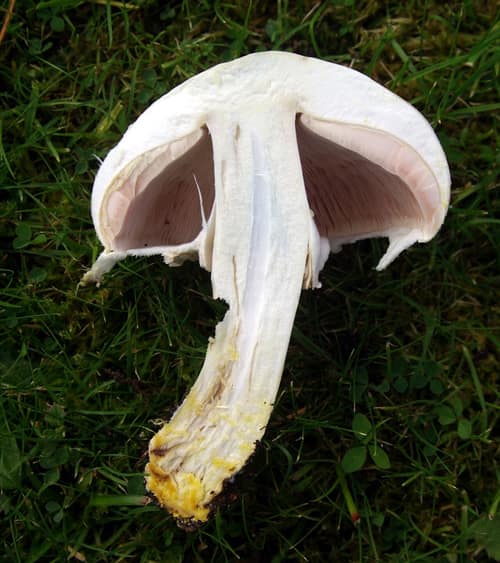
Toxic Look-Alike Velella / CC BY-SA 3.0 · cc-by-sa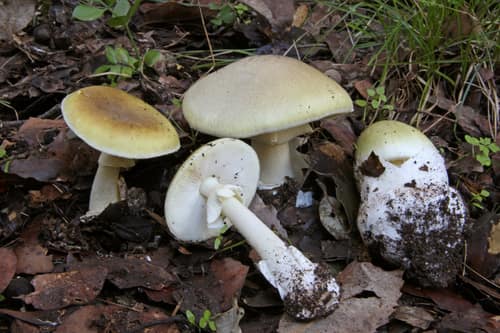
Toxic Look-Alike (c) Davide Puddu, some rights reserved (CC BY), uploaded by Davide Puddu · cc-by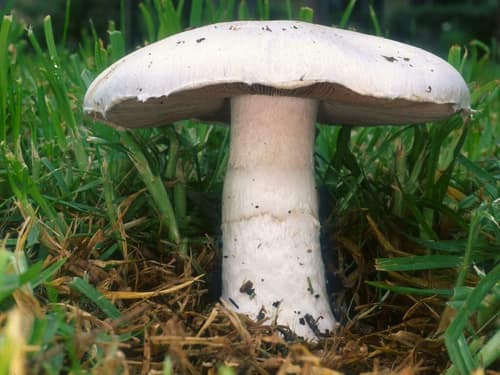
Close Relative (c) anonymous, some rights reserved (CC BY-SA) · cc-by-sa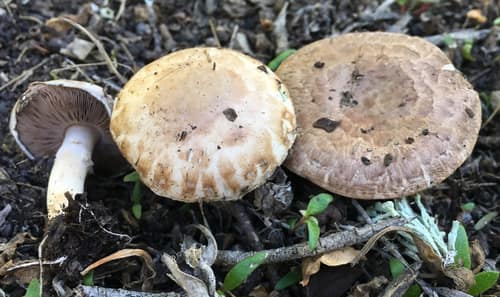
Close Relative (c) Adam J. Searcy, some rights reserved (CC BY), uploaded by Adam J. Searcy · cc-by
Help improve the field guideSomething wrong?
Checking your Fauna account…Report a name, category, or profile issue for review.