
Bird
Black-vented Oriole
Icterus wagleriAlso known as Wagler's Oriole
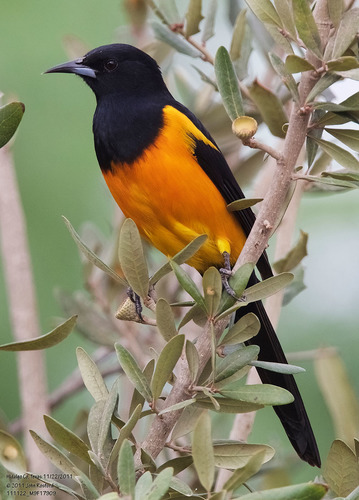
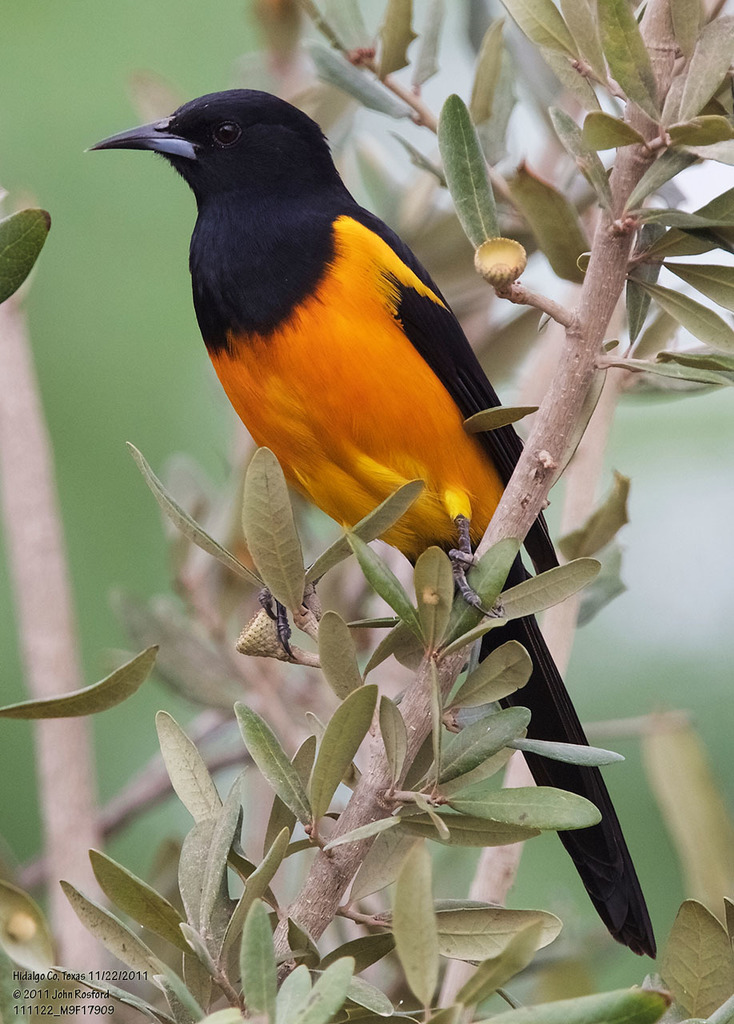
Black-vented orioles flash striking orange-and-black plumage with a signature black undertail that sets them apart from most relatives. They forage actively in pairs or small family groups through dry scrub, oak-pine woodlands, and wooded canyons, using long, slender bills to probe blossoms for nectar and glean insects from foliage. Females weave deep, pendulous basket nests suspended from palm fronds or outer tree branches, while both sexes deliver rich, melodious whistles from high perches.
SongbirdNectarivoreColorful
—observations
—countries
—peak records
Least ConcernConservation statusIUCN Red List categoriesLCNTVUENCREWEXLeast ConcernRed List categories, explained →
Diet & preyInsects, Spiders, Flower nectar
Predators
- Cooper's Hawk
- Sharp-shinned Hawk
- Great Horned Owl
ThreatsHabitat clearing for agriculture and brood parasitism by cowbirds
HabitatsArid scrublands, tropical deciduous forests, oak-pine woodlands, and wooded canyons
Life span5–8 years in the wild
Classification
- FamilyIcteridae
- SpeciesIcterus wagleri
Range data is not available yet.
Interaction riskLow
- Low
- Moderate
- High
- Very high
- Why interaction risk is low
- Safe to observe at a normal distance.
Responsible observation
- Listening: Track its clear, whistled phrases and sharp chuck calls in canyon treetops.
- Identification: Look for the solid black hood, black undertail, and bright orange rump.
- Nesting: Keep a respectful distance from palm fronds or branches holding woven basket nests.
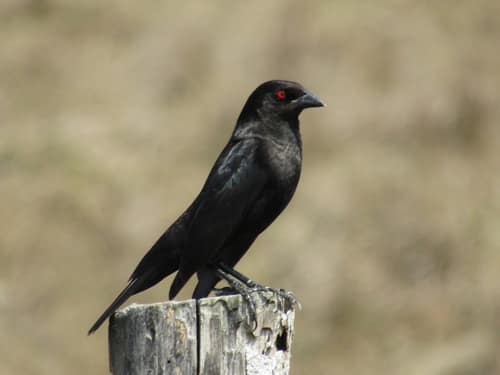
Parasite (c) Adrianh M. Orozco, some rights reserved (CC BY), uploaded by Adrianh M. Orozco · cc-by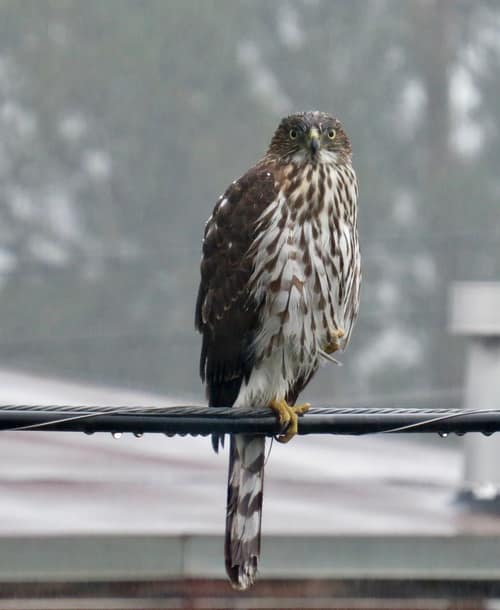
Predator "Cooper's Hawk - immature" by Kaaren Perry is licensed under CC BY 2.0. To view a copy of this license, visit https://creativecommons.org/licenses/by/2.0/. · cc-by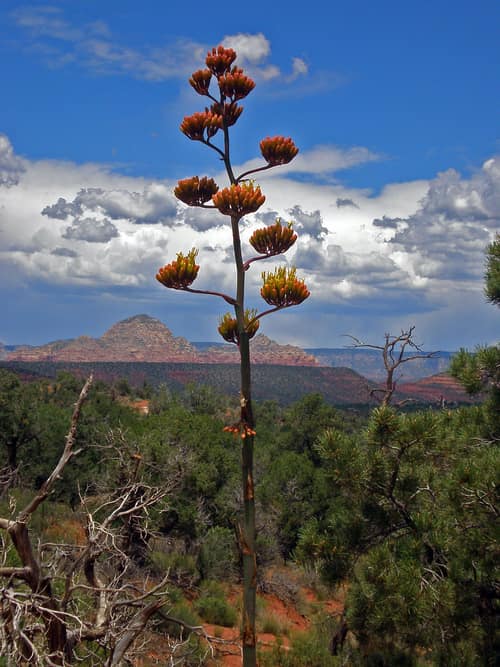
Food Source "Closeup of Century Plant (Agave)" by Coconino NF Photography is licensed under CC BY-SA 2.0. To view a copy of this license, visit https://creativecommons.org/licenses/by-sa/2.0/. · cc-by-sa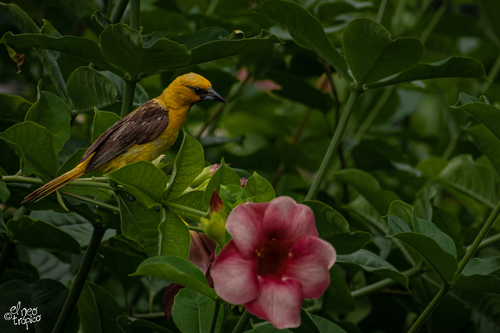
Close Relative (c) Daniel Pineda Vera, some rights reserved (CC BY) · cc-by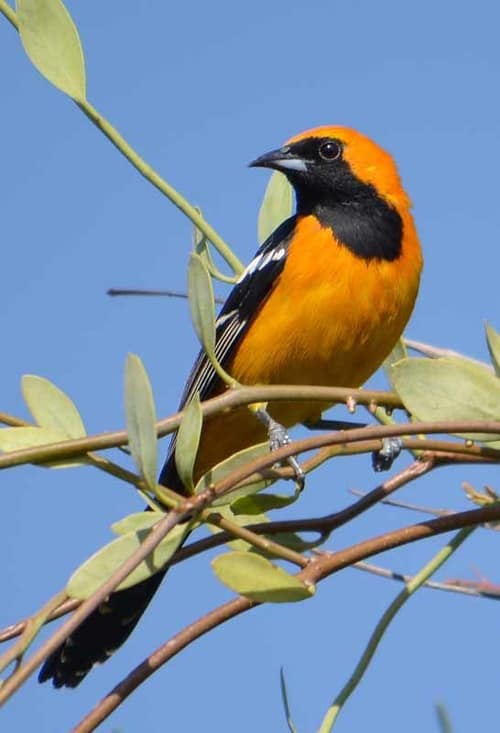
Close Relative (c) Gonzalo Zepeda Martínez, some rights reserved (CC BY-SA), uploaded by Gonzalo Zepeda Martínez · cc-by-sa
Help improve the field guideSomething wrong?
Checking your Fauna account…Report a name, category, or profile issue for review.