
Bird · GBIF taxon 5229882
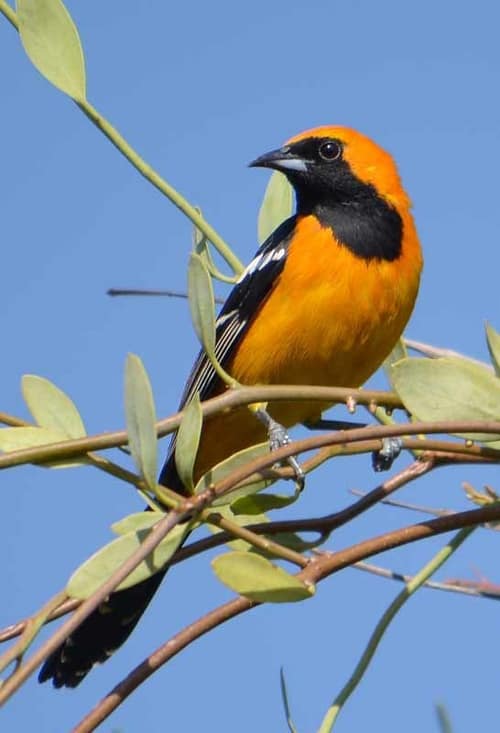
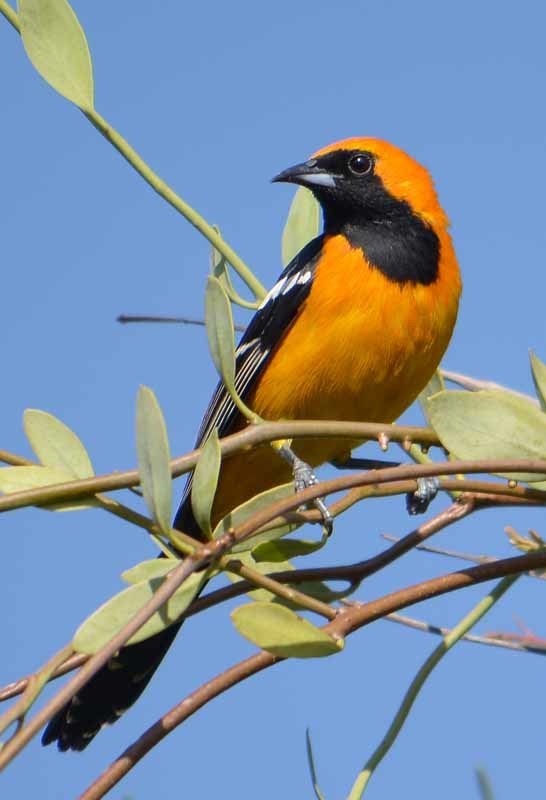
Hooded Oriole
Icterus cucullatusAlso known as Palm Oriole
Hooded orioles weave elaborate, pouch-like nests from palm fibers, suspending them beneath the broad leaves of fan palms and ornamental trees. Males flash brilliant orange or golden-yellow hoods contrasting against stark black throats and backs, while females display subdued olive-yellow tones. Their buoyant flight and high-pitched, piping whistles animate suburban neighborhoods, riparian corridors, and desert oases across the American Southwest.
MigratorySongbirdColorful
—observations
—countries
—peak records
Least ConcernConservation statusIUCN Red List categoriesLCNTVUENCREWEXLeast ConcernRed List categories, explained →
Diet & prey
- Insects
- Nectar
- Berries
Predators
- Domestic Cats
- Cooper's Hawks
- Snakes
ThreatsHabitat loss, outdoor cats, and brood parasitism by cowbirds
HabitatsPalm groves, suburban gardens, riparian woodlands, and arid scrub
Life span4–6 years
Classification
- OrderPasseriformes
- FamilyIcteridae
- GenusIcterus
- SpeciesIcterus cucullatus
Range data is not available yet.
Interaction riskLow
- Low
- Moderate
- High
- Very high
- Why interaction risk is low
- Safe to observe at a normal distance.
Responsible observation
- Suburban Attraction: Plant fan palms or hang nectar feeders filled with a four-to-one water and sugar solution.
- Listening for Calls: Listen for a sharp, rising whistle or a dry, chattering call along tree canopies.
- Providing Fruit: Offer halved oranges or fresh berries during spring migration to encourage quick visits.
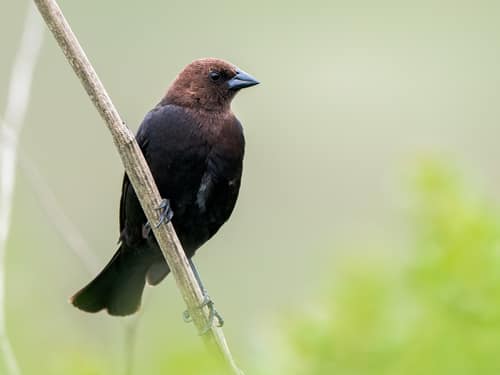
Nest Parasite (c) cello caruso-turiello, some rights reserved (CC BY), uploaded by cello caruso-turiello · cc-by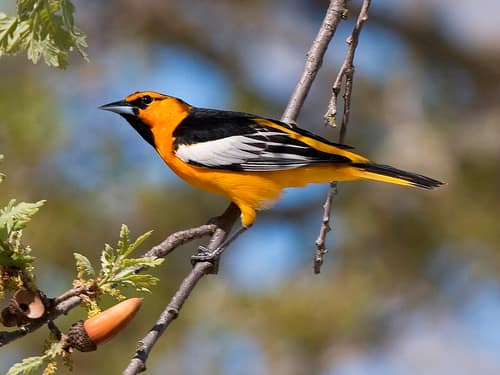
Close Relative Kevin Cole from Pacific Coast, USA (en:User:Kevinlcole) / CC BY 2.0 · cc-by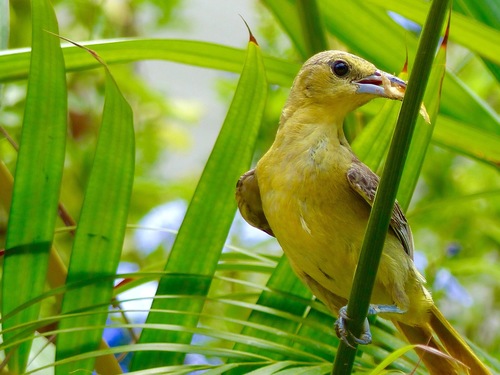
Close Relative (c) Bill Levine, some rights reserved (CC BY) · cc-by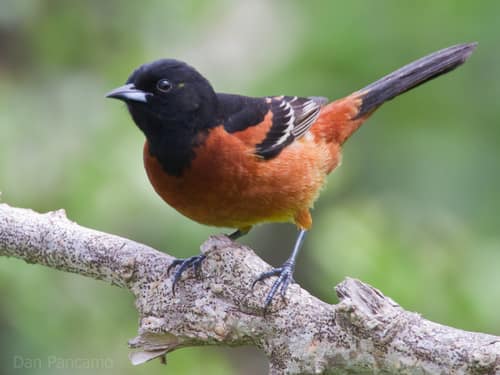
Close Relative (c) Dan Pancamo, some rights reserved (CC BY-SA) · cc-by-sa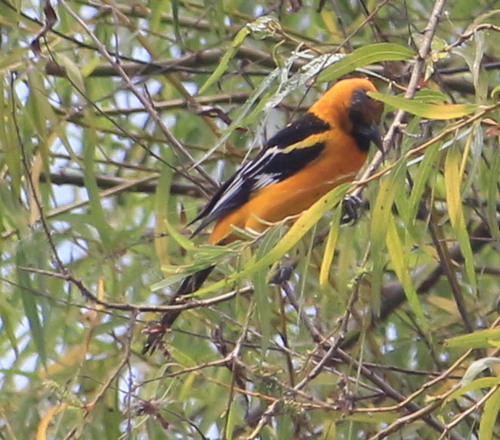
Close Relative (c) Juanito Escamilla, some rights reserved (CC BY) · cc-by
Help improve the field guideSomething wrong?
Checking your Fauna account…Report a name, category, or profile issue for review.