
Reptile
Eastern Milksnake
Lampropeltis triangulumAlso known as Milk Snake, House Snake, Spotted Adder
Eastern milksnakes are secretive constrictors famed for their smooth, glossy scales patterned in rich chestnut or scarlet saddles bordered with black. Primarily nocturnal or crepuscular hunters during warm months, they prowl rodent burrows, stone walls, and decaying logs using an acute sense of smell to track mice and other small reptiles. When startled, an individual often coils defensively, vibrates its tail against dry leaves to mimic a rattlesnake, and strikes if pressed.
NocturnalConstrictorReptile
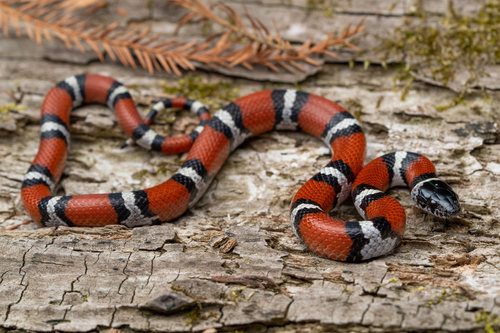
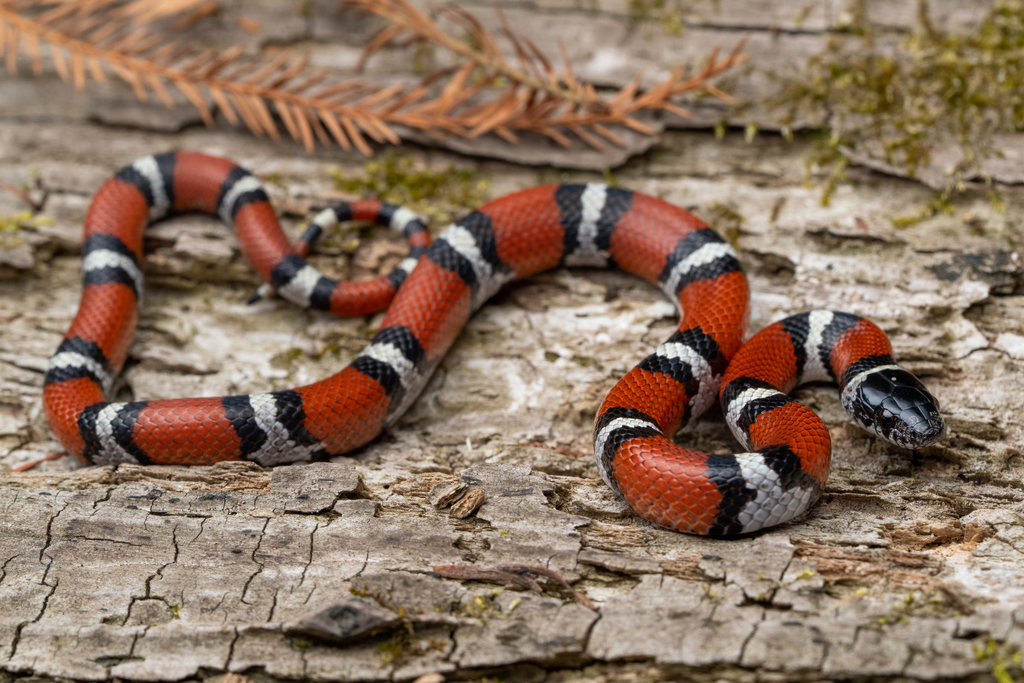
—observations
—countries
—peak records
Least ConcernConservation statusIUCN Red List categoriesLCNTVUENCREWEXLeast ConcernRed List categories, explained →
Diet & preyWhite-footed Mouse, Eastern Garter Snake, Five-lined Skink
Predators
- Red-tailed Hawk
- Coyote
- Raccoon
ThreatsHabitat fragmentation, road mortality, and persecution from misidentification as venomous copperheads or rattlesnakes
HabitatsDeciduous forests, rocky hillsides, meadows, agricultural fields, and old barns
Life span15–20 years
Classification
- FamilyColubridae
- GenusLampropeltis
- SpeciesLampropeltis triangulum
Range data is not available yet.
Interaction riskLow
- Low
- Moderate
- High
- Very high
- Why interaction risk is low
- Non-venomous and harmless, though individuals may bite defensively if cornered or handled.
Responsible observation
- Observation Distance: Admire from a step or two back to avoid triggering its defensive tail-vibrating display.
- Shelter Etiquette: Always roll overturned stones or logs carefully back into their original positions to preserve microhabitats.
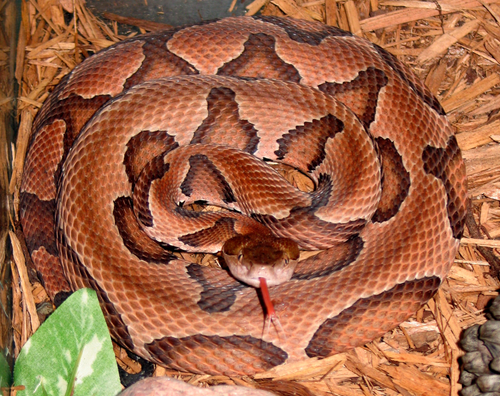
Look-alike Wikimedia Commons / Public domain · cc0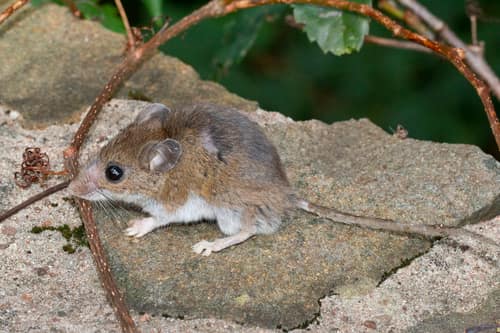
Prey (c) Kristof Zyskowski, some rights reserved (CC BY), uploaded by Kristof Zyskowski · cc-by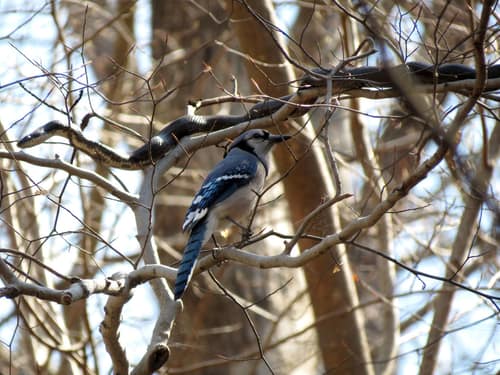
Competitor (c) Katja Schulz, some rights reserved (CC BY) · cc-by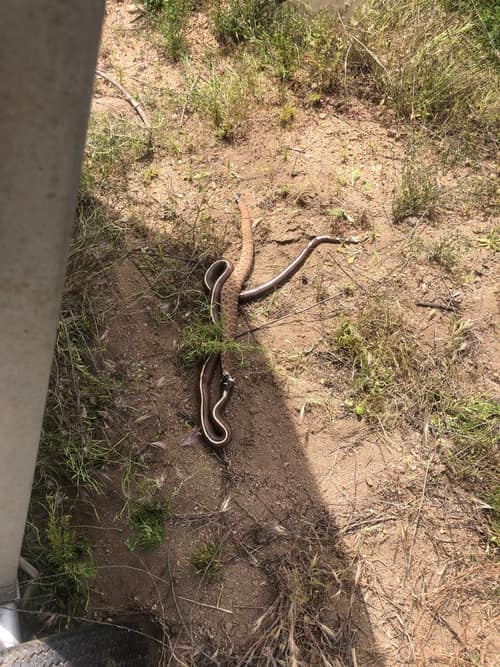
Close Relative (c) Amy Huie, some rights reserved (CC BY) · cc-by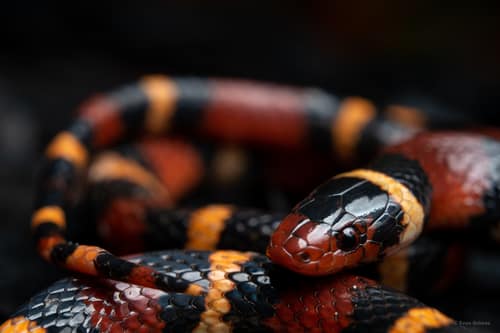
Close Relative (c) evangrimes, some rights reserved (CC BY), uploaded by evangrimes · cc-by
Help improve the field guideSomething wrong?
Checking your Fauna account…Report a name, category, or profile issue for review.