
Reptile · GBIF taxon 5223362
Plain-bellied Watersnake
Nerodia erythrogasterAlso known as Plainbelly Water Snake, Red-bellied Watersnake, Copperbelly Water Snake, Yellow-bellied Watersnake
Plain-bellied watersnakes are heavy-bodied aquatic serpents celebrated for their plain, unpatterned red, yellow, or cream undersides that contrast sharply with dark dorsal scales. Unusually terrestrial for watersnakes, they frequently travel overland between wetlands and typically flee across dry ground rather than diving into water when startled. Females give live birth in late summer to litters of over twenty patterned juveniles that hunt tadpoles along shallow marsh margins.
Semi-aquaticViviparousCarnivorous

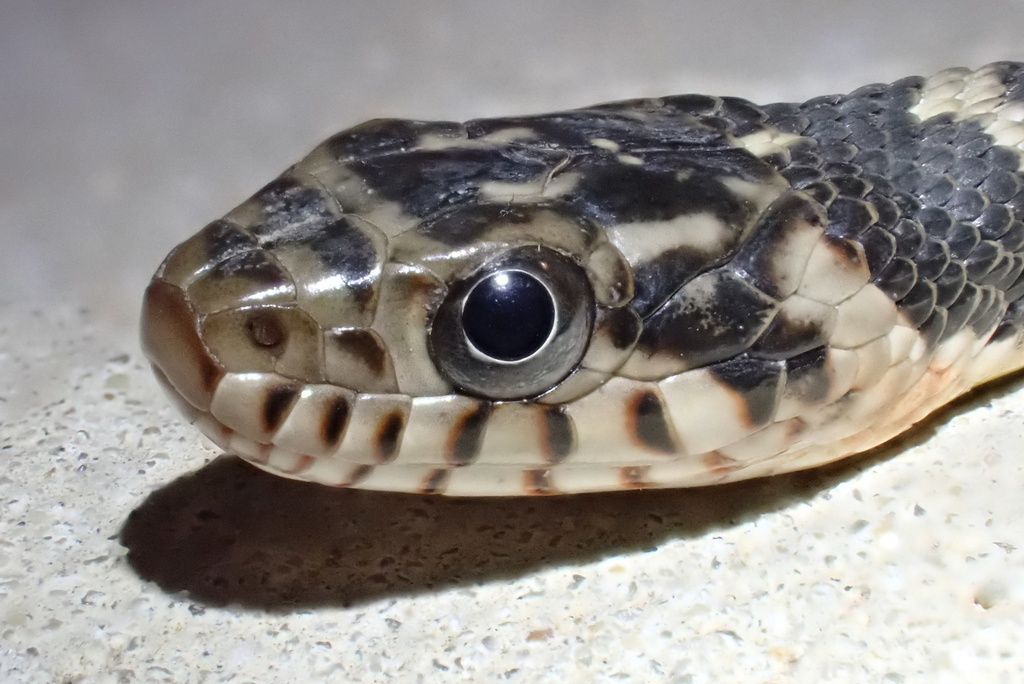
Licensed reference(c) Mila Turov, some rights reserved (CC BY) · cc-by
—observations
—countries
—peak records
Least ConcernConservation statusIUCN Red List categoriesLCNTVUENCREWEXLeast ConcernRed List categories, explained →
Diet & prey
- Southern leopard frog
- American toad
- Bullfrog tadpole
Predators
- Great blue heron
- Raccoon
- Eastern kingsnake
ThreatsWetland draining, habitat fragmentation, persecution due to confusion with venomous snakes, and vehicular mortality
HabitatsSwamps, sluggish streams, floodplain lakes, farm ponds, and wet meadows
Life span8–12 years
Size / weightNot available
Classification
- FamilyColubridae
- GenusNerodia
- SpeciesNerodia erythrogaster
Range data is not available yet.
Interaction riskLow
- Low
- Moderate
- High
- Very high
- Why interaction risk is low
- Non-venomous, but bites repeatedly and releases foul musk if cornered or handled; observe from a distance.
- Why it is dangerous
- Possesses sharp, backward-curving teeth capable of inflicting painful, bleeding lacerations, accompanied by copious foul-smelling musk and anticoagulant saliva.
- How to recognize a risky encounter
- Recognize by the unpatterned yellow or orange-red belly, round pupils, and absence of facial heat pits.
- What to do
- Maintain several paces of distance and let the snake retreat uninterrupted across land or back into water.
Responsible observation
- Basking Habits: Look for them draped over low tree limbs or logs directly above swamp waters on warm spring mornings.
- Handling Precaution: Do not attempt to catch or corner them, as they defend themselves vigorously with multiple sharp bites and foul-smelling musk.
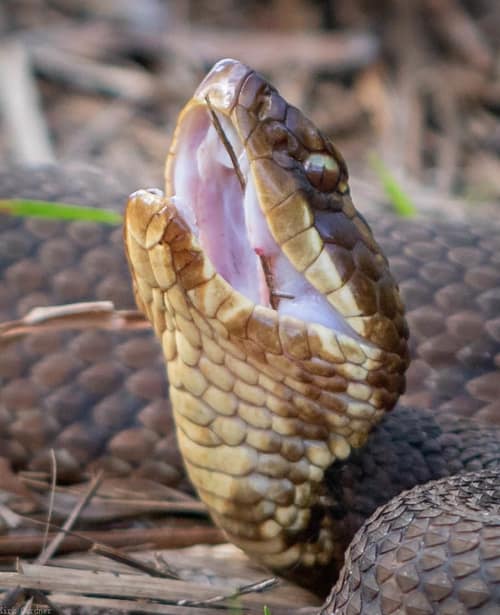
Look-alike (c) kirk gardner, some rights reserved (CC BY), uploaded by kirk gardner · cc-by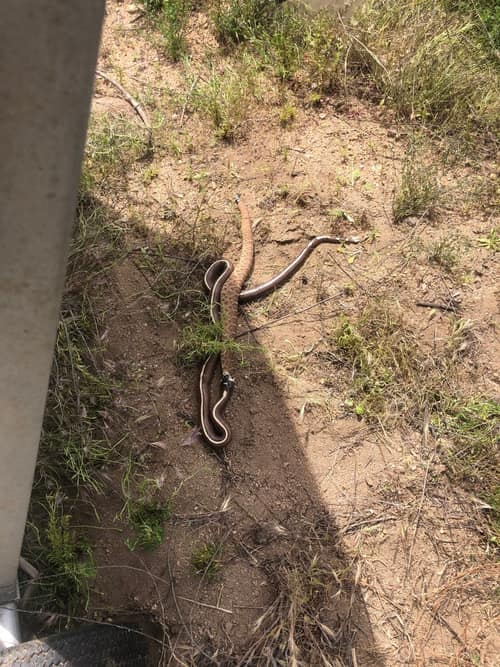
Predator (c) Amy Huie, some rights reserved (CC BY) · cc-by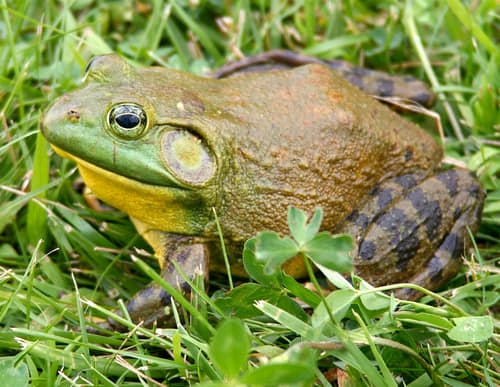
Prey Carl D. Howe / CC BY-SA 2.5 · cc-by-sa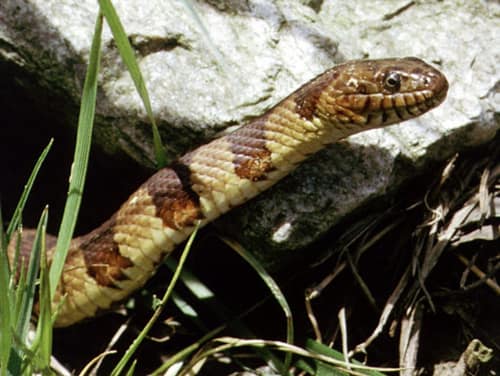
Close Relative Patrick Coin (Patrick Coin) / CC BY-SA 2.5 · cc-by-sa
Close Relative (c) Andrew Durso, some rights reserved (CC BY) · cc-by
Help improve the field guideSomething wrong?
Checking your Fauna account…Report a name, category, or profile issue for review.