
Mammal · GBIF taxon 5220181
Nyala
Tragelaphus angasiiAlso known as Lowland Nyala, Inyala
Nyala are secretive spiral-horned antelopes renowned for having the most pronounced sexual dimorphism of any tragelaphine species. Charcoal-grey males carry yellow-socked legs and long lyre-shaped horns, while slender females sport bright chestnut coats with prominent white vertical flank stripes. Highly dependent on dense thickets and water, they spend the hottest hours resting in deep cover before emerging during twilight to browse fresh foliage and fallen fruits.
AntelopeDimorphicSouthern Africa
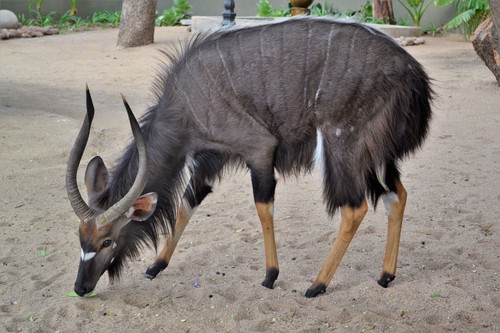
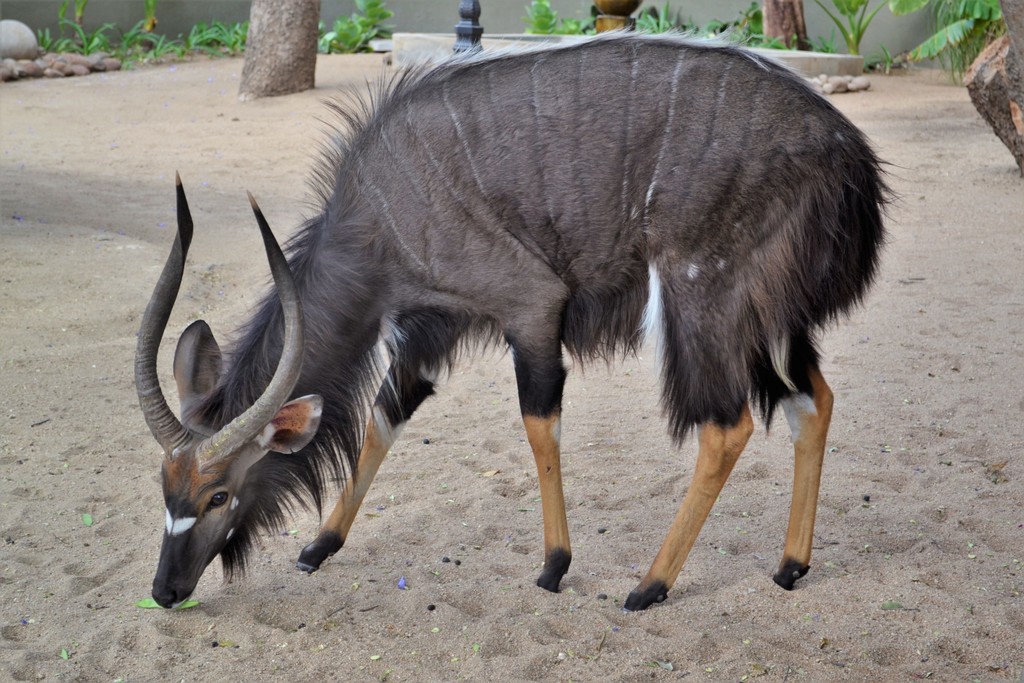 1 / 7
1 / 7—observations
—countries
—peak records
Least ConcernConservation statusIUCN Red List categoriesLCNTVUENCREWEXLeast ConcernRed List categories, explained →
Diet & prey
- Tree foliage
- Fallen wild fruits
- Fresh green grasses
Predators
- Leopard
- Lion
- Spotted Hyena
ThreatsHabitat loss from agriculture, poaching for meat, and prolonged regional droughts
HabitatsDense lowland thickets, riverine woodlands, and moist savannas
Life span15–19 years
Size / weightNot available
Classification
- OrderArtiodactyla
- FamilyBovidae
- GenusTragelaphus
- SpeciesTragelaphus angasii
Range data is not available yet.
Interaction riskLow
- Low
- Moderate
- High
- Very high
- Why interaction risk is low
- Safe to observe from a respectful distance; do not corner or approach males with horns.
Responsible observation
- Binoculars in Thickets: Scan shaded undergrowth along dry riverbeds where their camouflaged coats blend into dappled light.
- Dawn and Dusk Timing: Look along woodland edges in early morning and late afternoon when herds leave dense brush to graze.
- Listen for Alarms: Pay attention to deep, barking coughs, which signal a predator or intruder nearby.
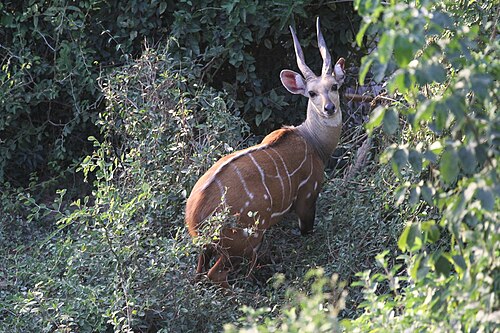
Same Genus Lucy Keith-Diagne / CC BY 4.0 · cc-by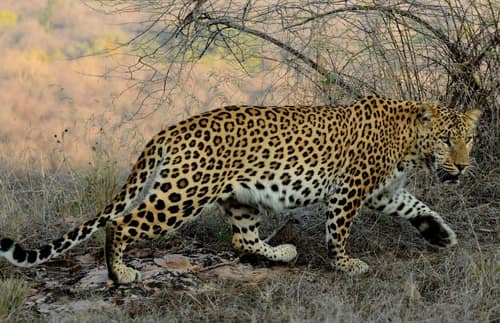
Predator (c) Raja bandi, some rights reserved (CC BY), uploaded by Raja bandi · cc-by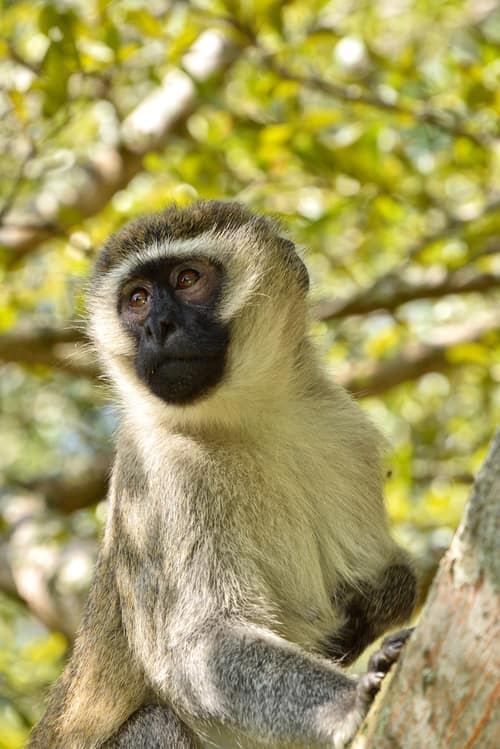
Frequent Companion "Vervet Monkey, Uganda" by Rod Waddington is licensed under CC BY-SA 2.0. To view a copy of this license, visit https://creativecommons.org/licenses/by-sa/2.0/. · cc-by-sa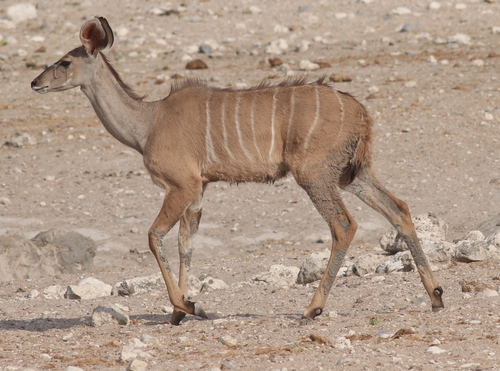
Close Relative (c) Jan Ebr & Ivana Ebrová, some rights reserved (CC BY), uploaded by Jan Ebr & Ivana Ebrová · cc-by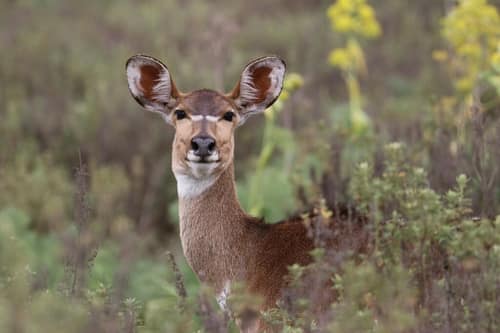
Close Relative (c) Manuel Schwarz, some rights reserved (CC BY) · cc-by
Help improve the field guideSomething wrong?
Checking your Fauna account…Report a name, category, or profile issue for review.