
Mammal
Saudi Arabian Gazelle
Gazella saudiyaAlso known as Saudi Gazelle, Arabian Dorcas Gazelle
Saudi Arabian gazelles were nimble, pale-coated ungulates uniquely adapted to survive hyper-arid gravel plains and barren sandy wastes across the Arabian Peninsula. Traveling in small family bands, they navigated vast desert expanses following seasonal flush vegetation and relied on desert succulents to meet their hydration needs. Intense motorized hunting and pastoral competition during the mid-twentieth century drove the entire population to extinction, with the last wild individuals confirmed in 1970.
Desert DwellerHerbivore
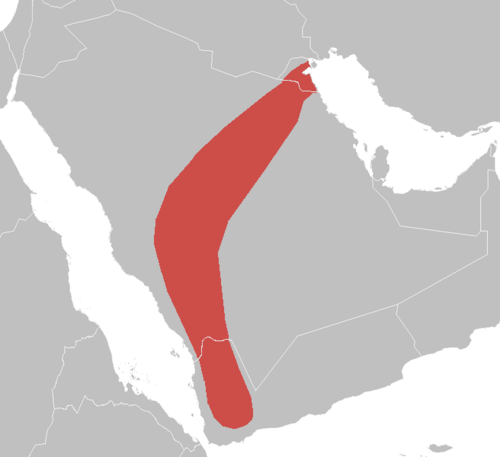
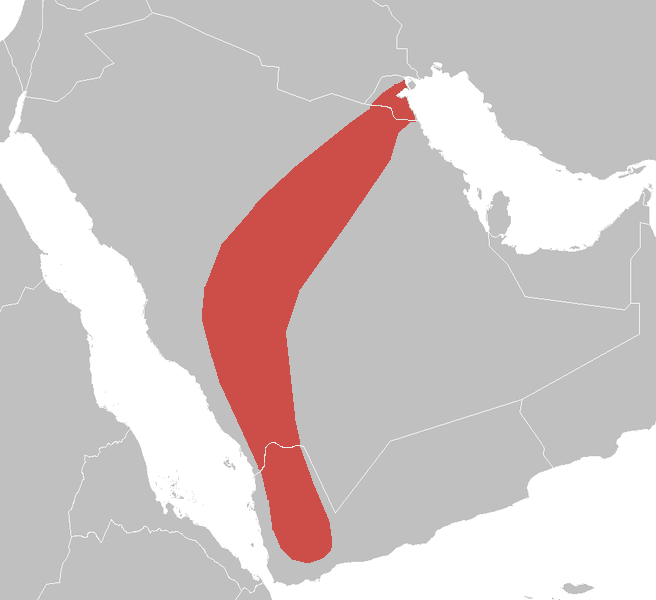
—observations
—countries
—peak records
ExtinctConservation statusIUCN Red List categoriesLCNTVUENCREWEXExtinctRed List categories, explained →
Diet & preyDesert grasses, acacia foliage, desert herbs, and succulents
Predators
- Arabian Leopard
- Arabian Wolf
- Asiatic Cheetah
ThreatsOverhunting with motor vehicles and firearms, severe habitat degradation
HabitatsArid gravel plains, stony steppes, and sandy desert margins
Life span10–12 years
Classification
- FamilyBovidae
- SpeciesGazella saudiya
Range data is not available yet.
Interaction riskLow
- Low
- Moderate
- High
- Very high
- Why interaction risk is low
- Extinct species; no living wild or captive individuals remain.
Responsible observation
- Museum Collections: Observe authenticated taxidermy and skeletal material in historical natural history archives.
- Identification Vigilance: Be skeptical of captive claims, as genetic testing proved all living captive stocks were hybrids or other species.
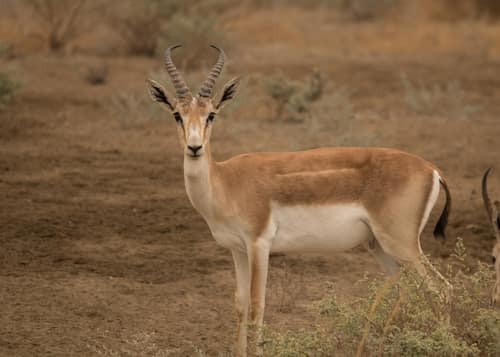
Congener (c) Elşad İbrahimov, some rights reserved (CC BY-SA) · cc-by-sa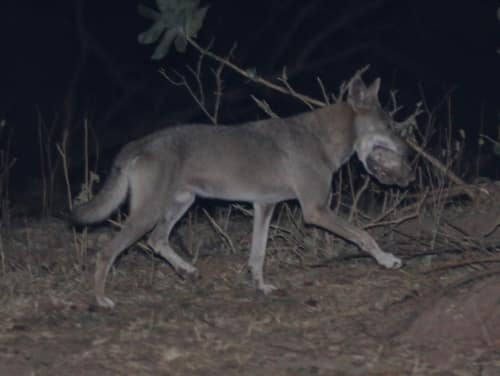
Historical Predator (c) Jan Ebr & Ivana Ebrová, some rights reserved (CC BY), uploaded by Jan Ebr & Ivana Ebrová · cc-by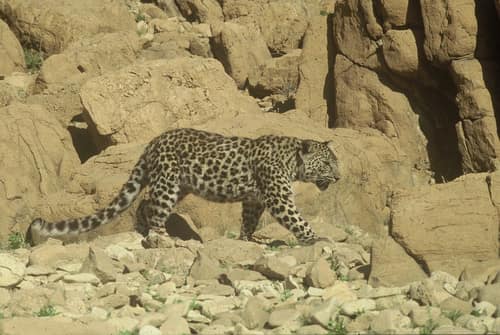
Historical Predator (c) יוסי אוד, some rights reserved (CC BY) · cc-by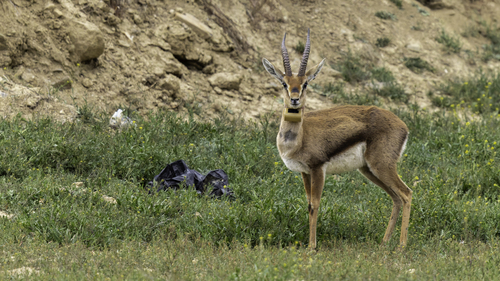
Close Relative (c) rjtizard, some rights reserved (CC BY) · cc-by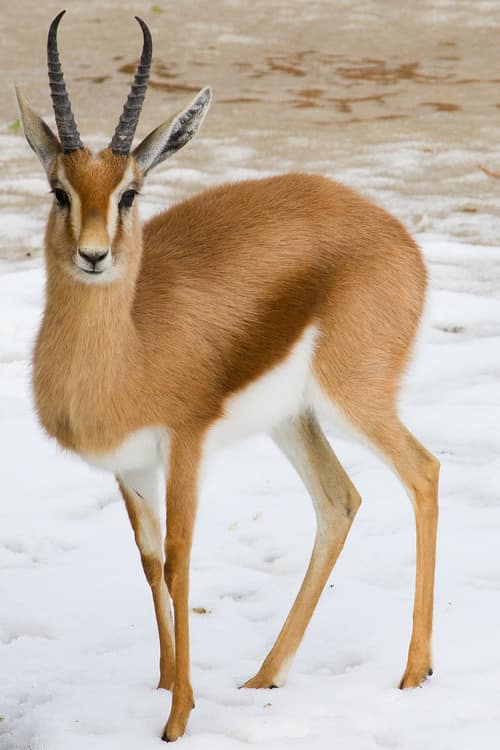
Close Relative Khendon / CC BY-SA 3.0 · cc-by-sa
Help improve the field guideSomething wrong?
Checking your Fauna account…Report a name, category, or profile issue for review.