
Mammal · GBIF taxon 5220146
Goitered Gazelle
Gazella subgutturosaAlso known as Black-Tailed Gazelle, Persian Gazelle
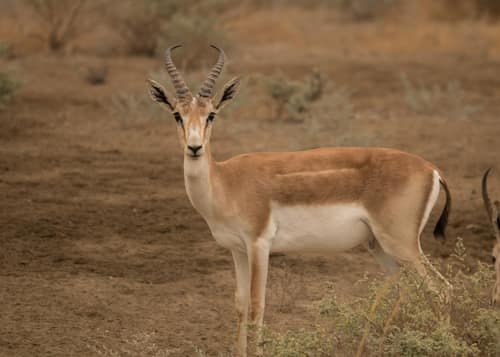
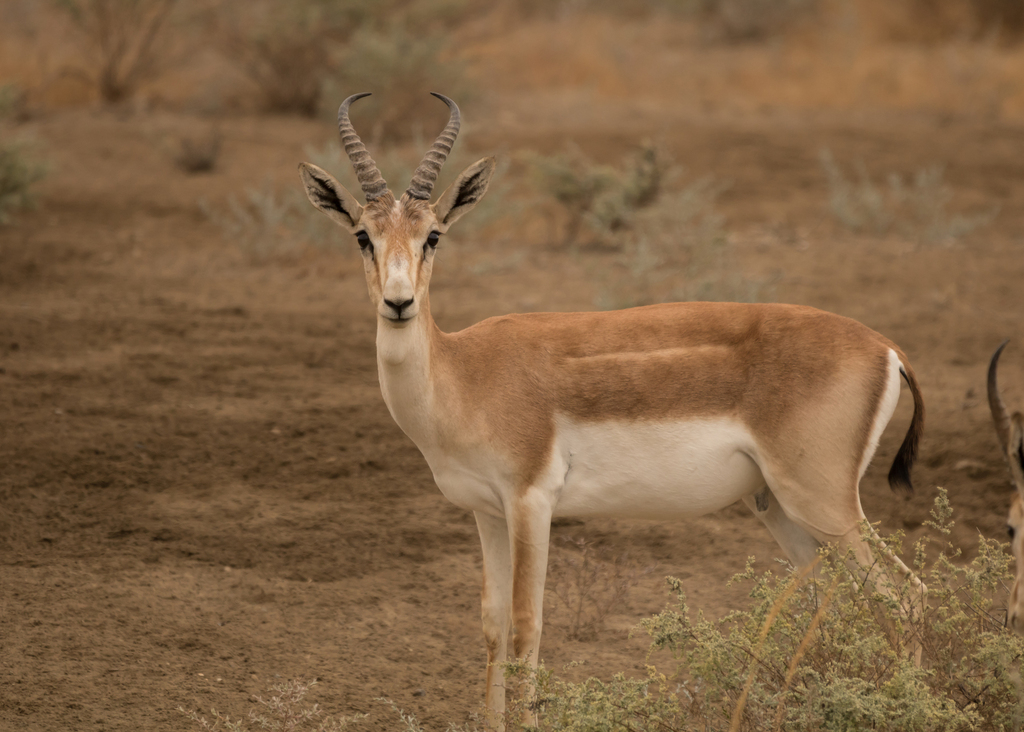
Goitered gazelles navigate the harsh deserts, steppes, and gravel plains of Central and Western Asia with remarkable agility and speed. During the autumn rut, adult males develop a distinctive swollen enlargement on their throats that acts as a resonance chamber to amplify deep, guttural courtship calls. Unusually among gazelles, females across most populations lack horns entirely, while males boast heavy, lyre-shaped horns.
Desert MammalUngulateFast Runner
—observations
—countries
—peak records
VulnerableConservation statusIUCN Red List categoriesLCNTVUENCREWEXVulnerableRed List categories, explained →
Diet & prey
- Desert grasses
- Salsola shrubs
- Astragalus plants
Predators
- Gray Wolf
- Leopard
- Golden Eagle
ThreatsPoaching, habitat loss, livestock competition, extreme winter freezes
HabitatsDeserts, semi-deserts, gravel plains, arid steppes
Life span10–12 years in the wild
Size / weightNot available
Classification
- FamilyBovidae
- SpeciesGazella subgutturosa
Range data is not available yet.
Interaction riskLow
- Low
- Moderate
- High
- Very high
- Why interaction risk is low
- Safe to observe at a normal distance.
- What to notice
- Look for a pale sand-colored body, contrasting dark tail, and ringed horns on males.
- Support conservation
- Observe strictly from a distance using optics to avoid causing stress or panic flight.
Responsible observation
- Observation Distance: Maintain a generous distance, as these ungulates are extremely wary and easily startled.
- Seasonal Timing: Look for adult males displaying visibly swollen throats during the late autumn mating season.
- Habitat Spotting: Scan open gravel plains and scrubby steppes during early morning and late afternoon hours.
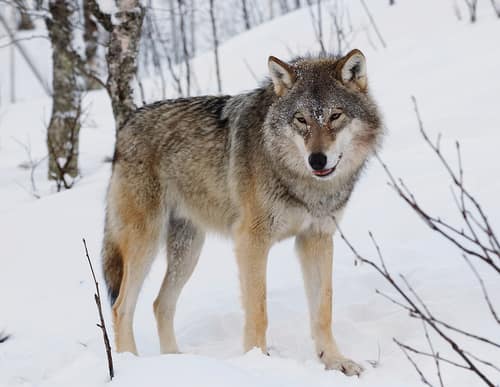
Predator User:Mas3cf / CC BY-SA 4.0 · cc-by-sa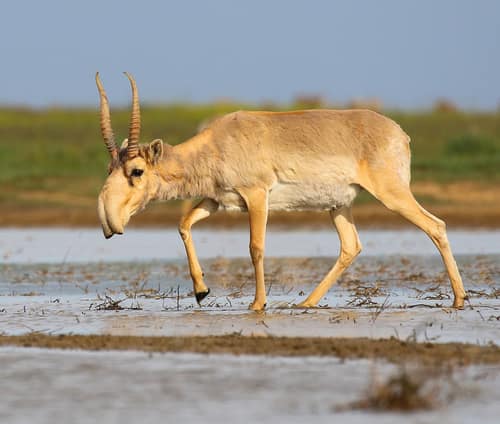
Frequent Companion Andrey Giljov / CC BY-SA 4.0 · cc-by-sa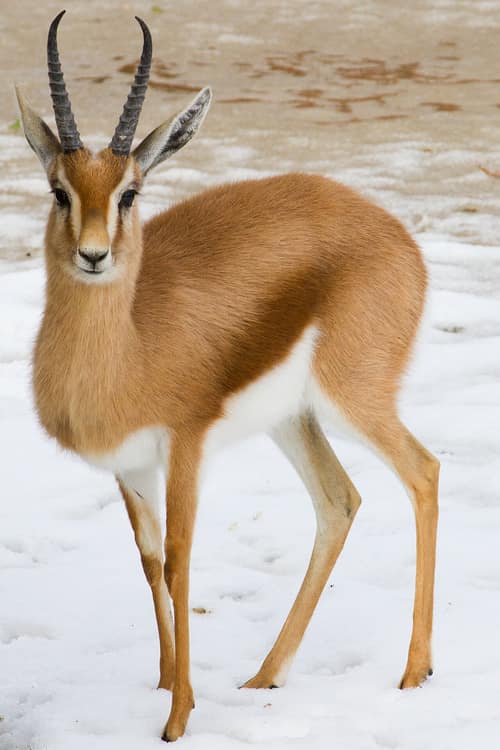
Close Relative Khendon / CC BY-SA 3.0 · cc-by-sa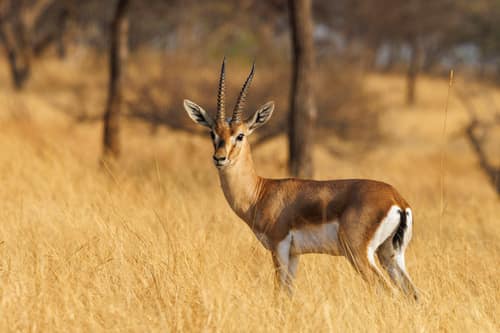
Close Relative (c) Ramesh Shenai Jr., some rights reserved (CC BY) · cc-by
Help improve the field guideSomething wrong?
Checking your Fauna account…Report a name, category, or profile issue for review.