
Mammal · GBIF taxon 5219885
Cape Porcupine
Hystrix africaeaustralisAlso known as Cape Crested Porcupine, South African Porcupine
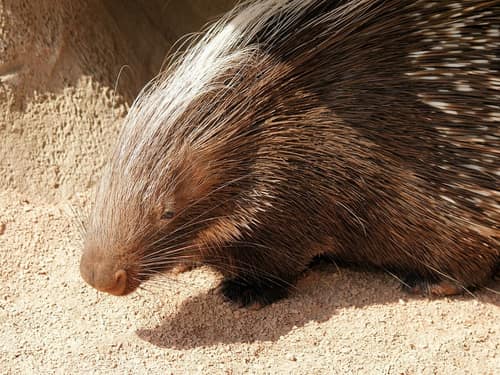
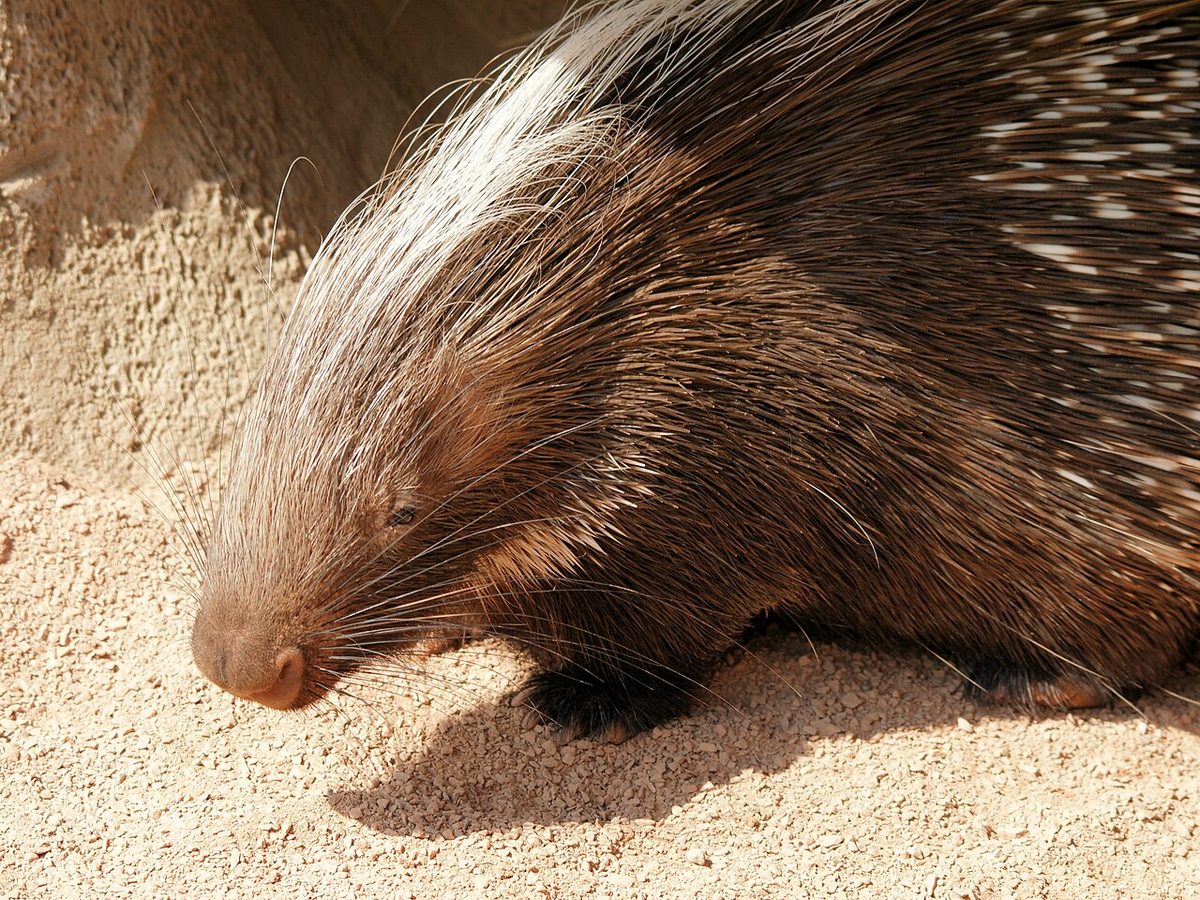
Cape porcupines are the largest rodents in southern Africa, easily recognized by their dense coat of sharp, black-and-white banded quills. Active primarily at night, they forage alone or in small family groups, using powerful claws to dig up roots and tubers. When threatened, they erect their quills, rattle specialized hollow tail spines, and charge backward to drive spines into potential attackers.
NocturnalMammalHerbivore
—observations
—countries
—peak records
Least ConcernConservation statusIUCN Red List categoriesLCNTVUENCREWEXLeast ConcernRed List categories, explained →
Diet & prey
- Roots
- Tubers
- Tree Bark
Predators
- Lions
- Leopards
- Spotted Hyenas
ThreatsPersecution by farmers, hunting for bushmeat, road mortality
HabitatsSavannas, woodlands, scrublands, deserts, agricultural fields
Life span12–15 years in the wild
Size / weightNot available
Classification
- FamilyHystricidae
- SpeciesHystrix africaeaustralis
Range data is not available yet.
Interaction riskLow
- Low
- Moderate
- High
- Very high
- Why interaction risk is low
- Sharp quills detach easily on contact; maintain a safe distance and do not approach or corner.
- Why it is dangerous
- Modified quill spines detach easily upon contact, driving deeply into tissue and causing severe mechanical injury and risk of infection.
- How to recognize a risky encounter
- Large rodent covered in thick black and white quills with a rattling tail fan.
- What to do
- Never attempt to approach or handle a porcupine; keep domestic dogs on a leash during night walks in their range.
Responsible observation
- Nighttime observation: Look for them along dirt tracks at night using red-filtered flashlights.
- Keep distance: Back away immediately if they rattle hollow tail quills or charge backward.
- Track identification: Search for broad footprints with quill drag marks near burrows.
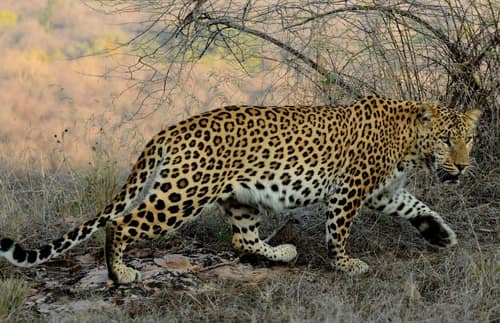
Predator (c) Raja bandi, some rights reserved (CC BY), uploaded by Raja bandi · cc-by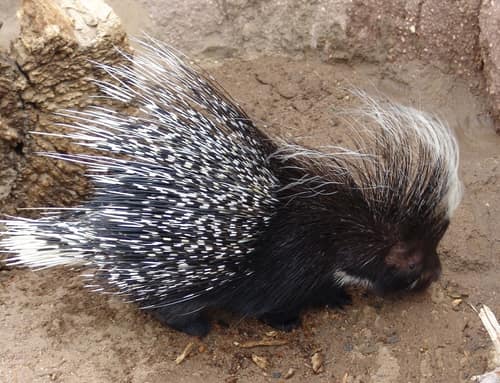
Close Relative (c) Drew Avery, some rights reserved (CC BY) · cc-by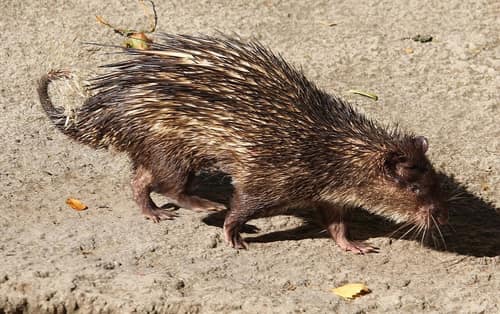
Close Relative Udo Schröter / CC BY-SA 4.0 · CC BY-SA 4.0
Help improve the field guideSomething wrong?
Checking your Fauna account…Report a name, category, or profile issue for review.