
Mammal
Red-bellied Squirrel
Sciurus aureogasterAlso known as Mexican Gray Squirrel, Mexican Grey Squirrel
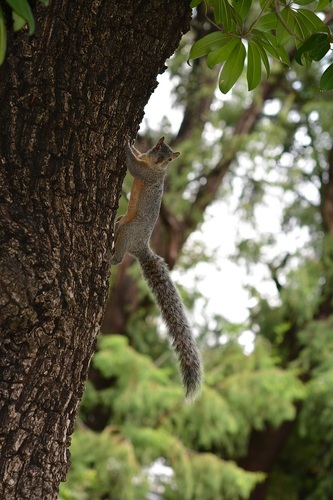
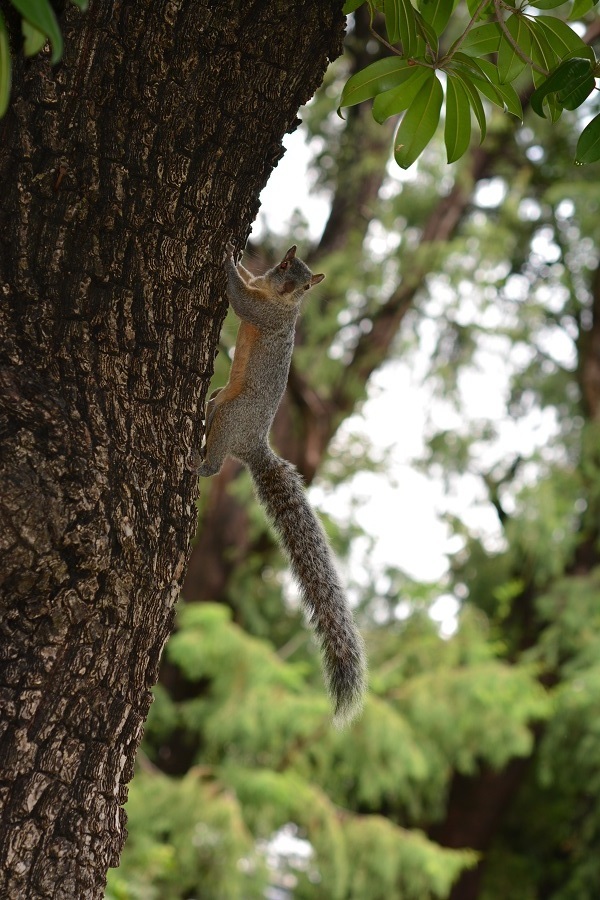
Mexican gray squirrels spend daylight hours leaping through tree canopies, stripping pine cones and acorns while caching surplus nuts in shallow leaf litter. Coat coloration varies dramatically across regions, displaying vibrant reddish underbellies in typical morphs alongside completely black melanistic individuals. Pairs build spherical leafy dreys high in branch crotches to shelter litters from seasonal downpours and raptors.
ArborealDiurnalRodent
—observations
—countries
—peak records
Least ConcernConservation statusIUCN Red List categoriesLCNTVUENCREWEXLeast ConcernRed List categories, explained →
Diet & preyAcorns, Pine Seeds, Ficus Fruit
Predators
- Red-tailed Hawk
- Gray Fox
- Ocelot
ThreatsDeforestation, habitat fragmentation, agricultural pest control
HabitatsPine-oak woodlands, cloud forests, tropical deciduous forests, urban parks
Life span8–12 years
Classification
- FamilySciuridae
- SpeciesSciurus aureogaster
Range data is not available yet.
Interaction riskLow
- Low
- Moderate
- High
- Very high
- Why interaction risk is low
- Sharp incisors can deliver a painful bite if handled; observe from a respectful distance.
- Why it is dangerous
- Equipped with powerful incisors adapted for cracking tough nuts, which can inflict deep puncture wounds if handled.
- How to recognize a risky encounter
- Look for a large tree squirrel with grizzled gray upperparts, a vivid reddish-orange belly, and a frosted bushy tail.
- What to do
- Never attempt to hand-feed or corner the animal, and always allow a clear escape route.
Responsible observation
- Spotting Dreys: Look high in the canopy for spherical leaf-and-twig nests tucked into sturdy branch forks.
- Listening for Calls: Tune in for sharp, scolding chattering barks uttered from mid-canopy perches.
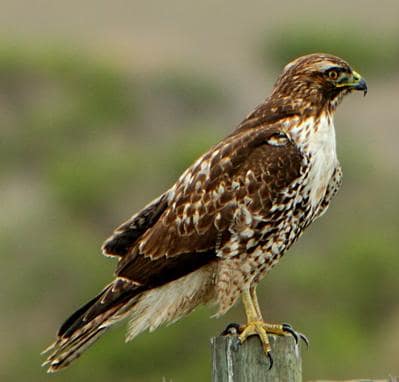
Predator Buteo_jamaicensis_1.jpg: Alan Vernon derivative work: Berichard (talk) / CC BY 2.0 · cc-by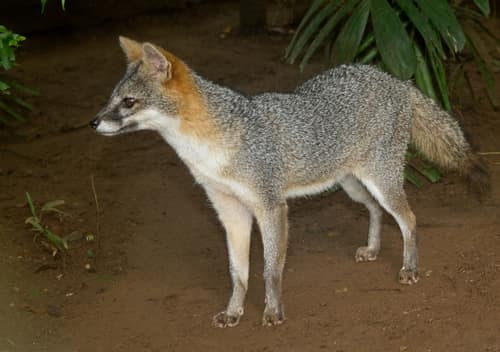
Predator (c) Brian Gratwicke, some rights reserved (CC BY) · cc-by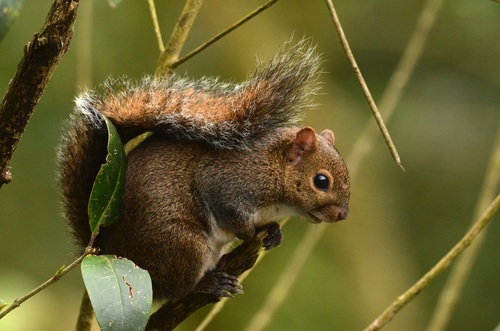
Close Relative (c) Amado Demesa, some rights reserved (CC BY-SA), uploaded by Amado Demesa · cc-by-sa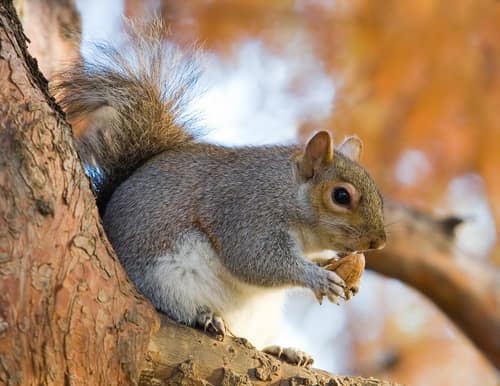
Close Relative (c) Diliff, some rights reserved (CC BY-SA) · cc-by-sa
Help improve the field guideSomething wrong?
Checking your Fauna account…Report a name, category, or profile issue for review.