
Mammal
Eastern Gray Squirrel
Sciurus carolinensisAlso known as Eastern Grey Squirrel, Gray Squirrel, Grey Squirrel
Eastern gray squirrels spend their days foraging among mature oak and hickory branches, relying on a bushy tail for balance and thermal insulation during cold winter months. Each autumn, individual squirrels scatter-hoard thousands of nuts, inadvertently planting vast numbers of hardwood trees that shape forest ecosystems. They communicate through sharp chatter calls and flicking tail signals to warn neighbors of approaching predators.
Tree SquirrelDiurnalUrban Wildlife
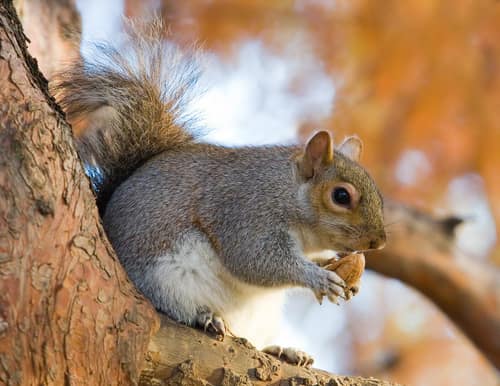

—observations
—countries
—peak records
Least ConcernConservation statusIUCN Red List categoriesLCNTVUENCREWEXLeast ConcernRed List categories, explained →
Diet & preyAcorns, Hickory Nuts, Tree Buds
Predators
- Red-tailed Hawk
- Coyote
- Domestic Cat
ThreatsVehicle collisions, habitat fragmentation, and winter weather extremes
HabitatsDeciduous and mixed forests, suburban parks, and urban neighborhoods
Life span6–12 years
Classification
- OrderRodentia
- FamilySciuridae
- GenusSciurus
- SpeciesSciurus carolinensis
Native Introduced
Native range in olive; established introduced range in rust.
Interaction riskLow
- Low
- Moderate
- High
- Very high
- Why interaction risk is low
- May bite or scratch if cornered or hand-fed; observe from a safe distance.
Responsible observation
- Observe Quietly: Watch their arboreal acrobatics from a distance without sudden movements.
- Avoid Hand Feeding: Offering food directly by hand encourages aggressive begging and risk of bites.
- Spot Leaf Nests: Look for bulky leaf nests called dreys high in tree forks during late fall.
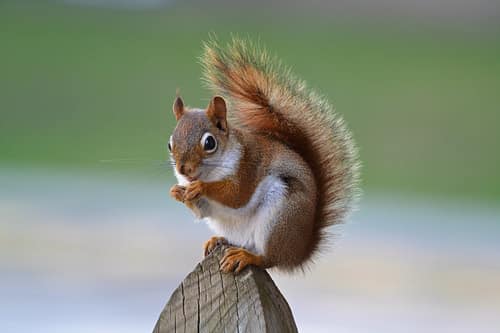
Competitor (c) DaPuglet, some rights reserved (CC BY-SA) · cc-by-sa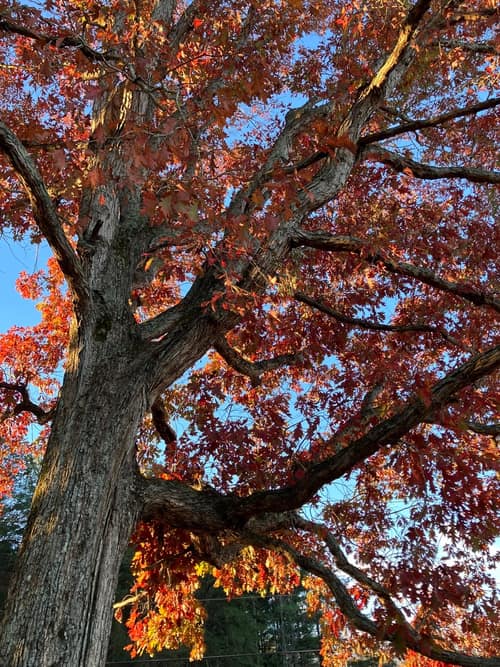
Food Source (c) Alicia Ballard, some rights reserved (CC BY) · cc-by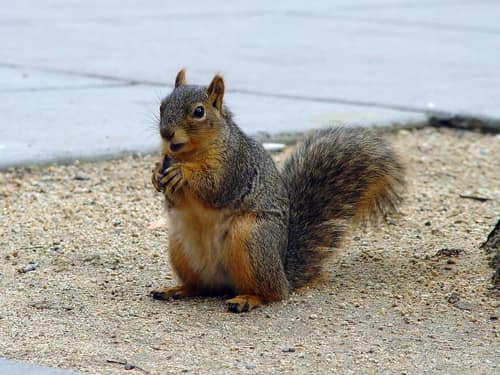
Close Relative "Fox Squirrel, San Jose CA" by Franco Folini is licensed under CC BY-SA 2.0. To view a copy of this license, visit https://creativecommons.org/licenses/by-sa/2.0/. · cc-by-sa
Keep collecting in Fauna
Found in Collections
Species set
Urban Dwellers
Eastern Gray Squirrel is found in this collection. Identify it in Fauna to fill this slot and continue your progress.
—/7
Help improve the field guideSomething wrong?
Checking your Fauna account…Report a name, category, or profile issue for review.